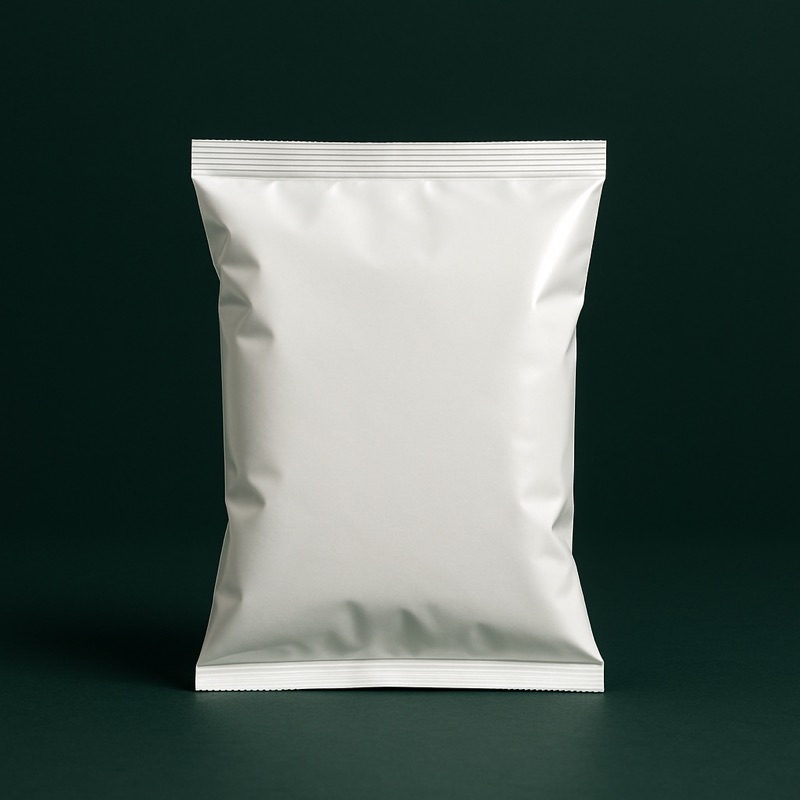
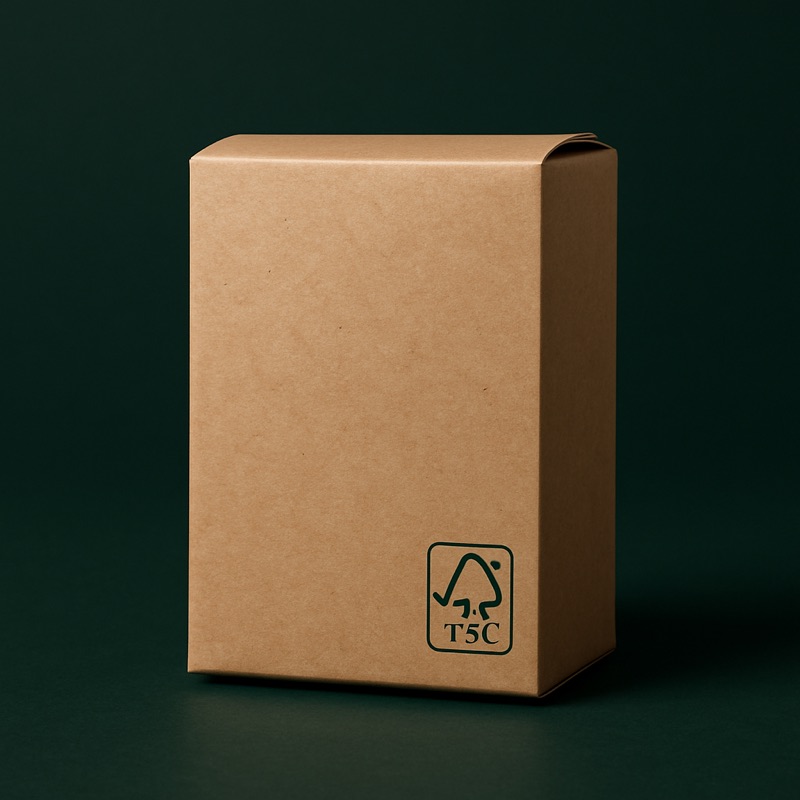
Baked goods are fragile, greasy and short-dated, and the packaging has to handle all three without hiding the product. TWO Packaging prints gable boxes, window cartons, pillow and quad-seal pouches, fitted inserts and multi-pack carriers — with mineral-oil-free laminates for direct contact — pouches from 500 per design, labels and boxes from 100 and mailers from 500 (one-color logo; full color from 5,000) online, other formats quoted, at about $0.15–$6.50 each.
Price range$0.15 – $6.50per carton, by size, board and finish
Minimum order500 bags on pouchesper design; labels & boxes from 100, mailers from 500 (one-color logo; full color from 5,000), all online; other formats on request
The constraintGrease & crushboard choice and insert do most of the work
ProductionAs few as 5 daysbusiness days from artwork approval (up to 15), then delivery in as soon as 4 days Expedited or 25 days Standard
Custom Bakery Packaging
Carton formats.
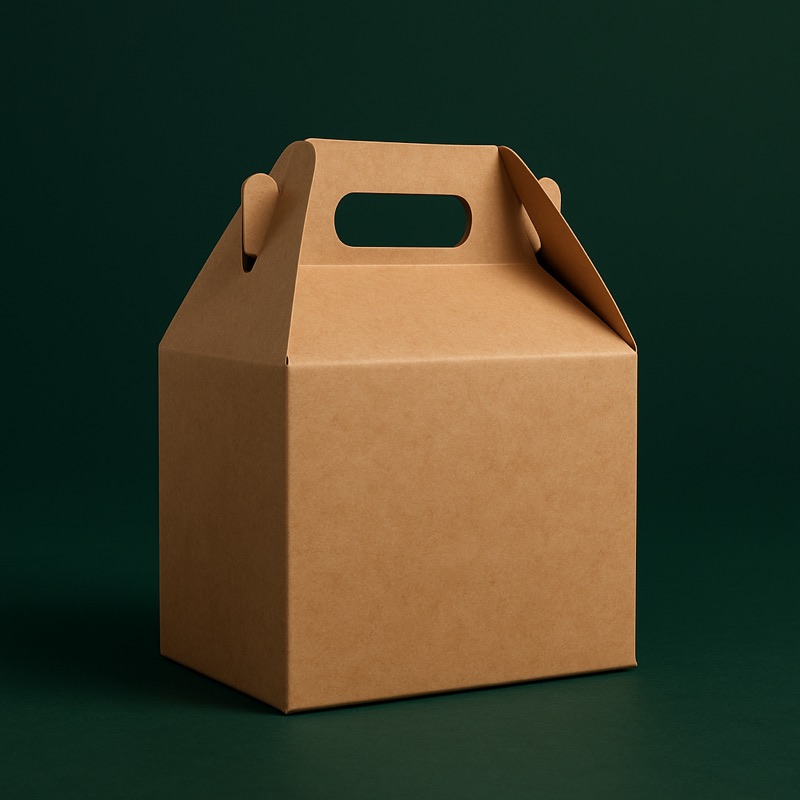
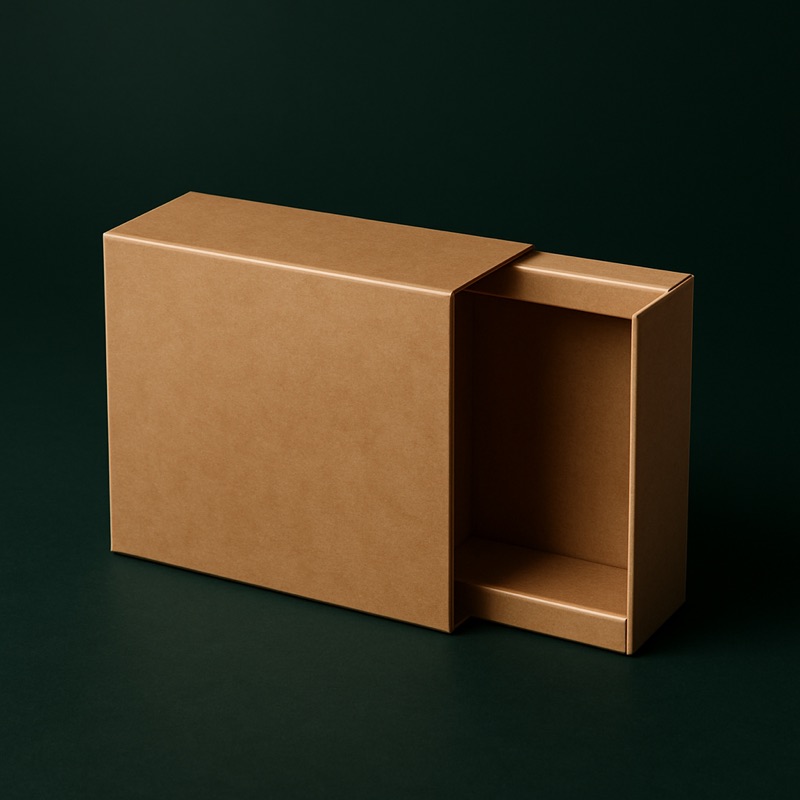
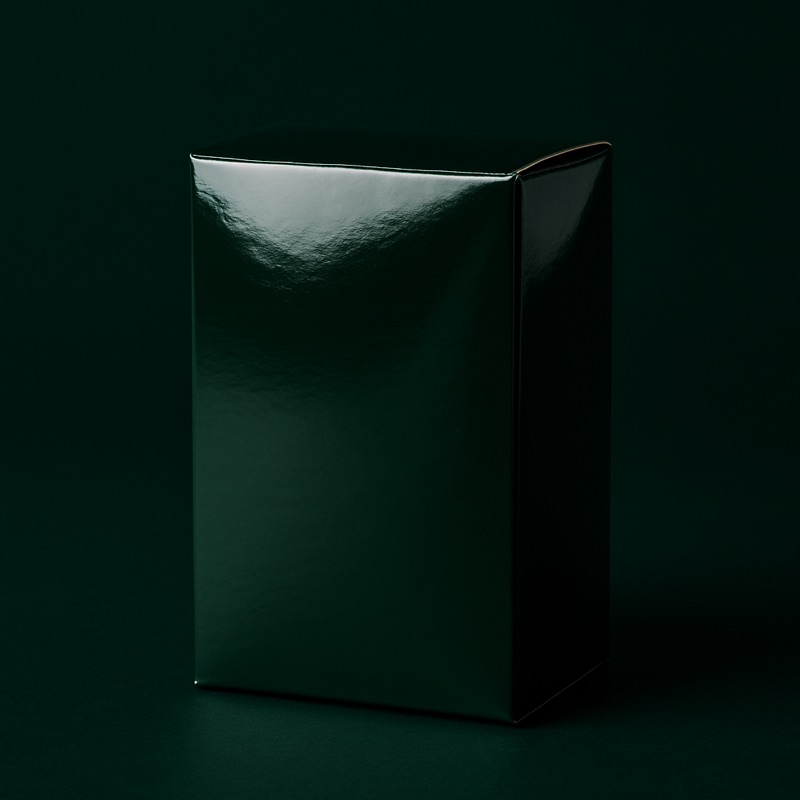
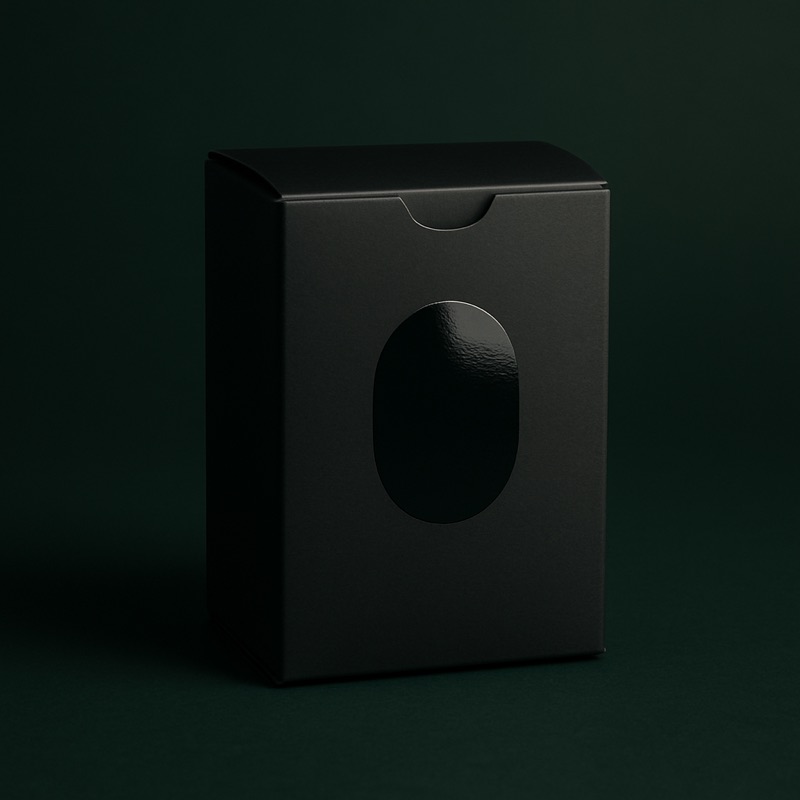
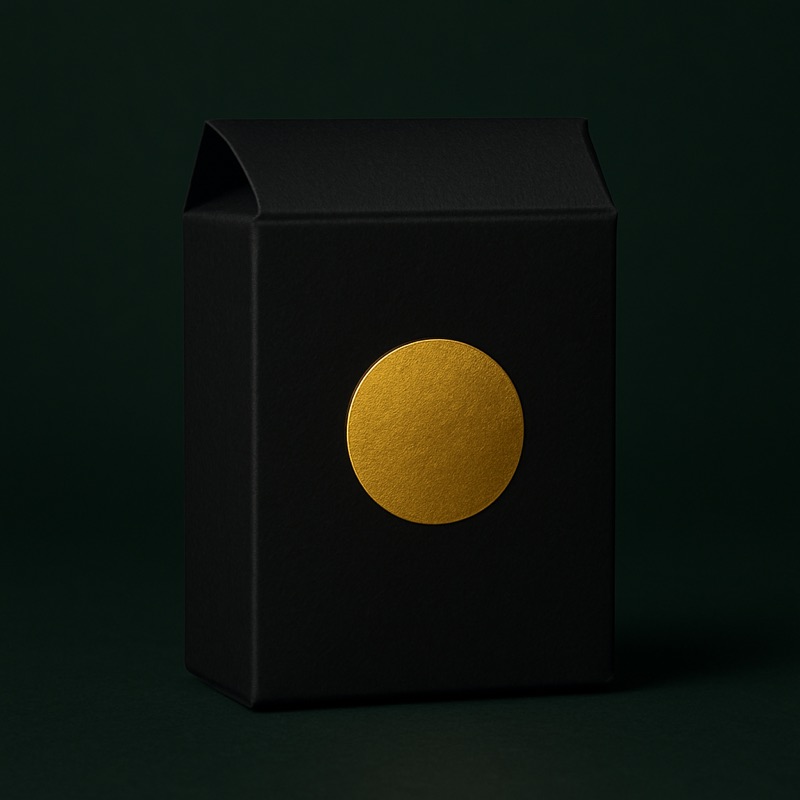
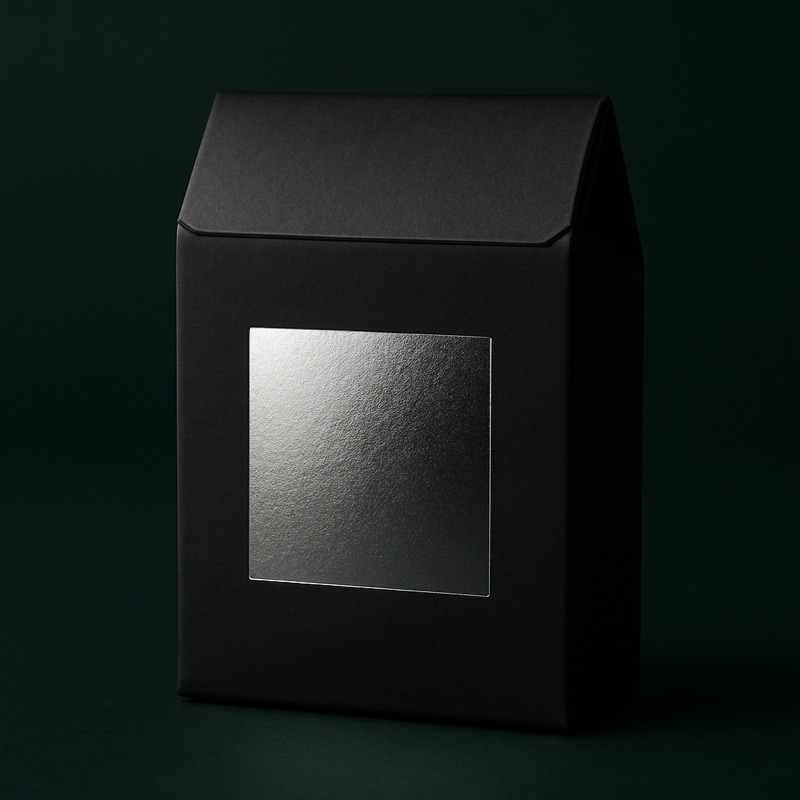
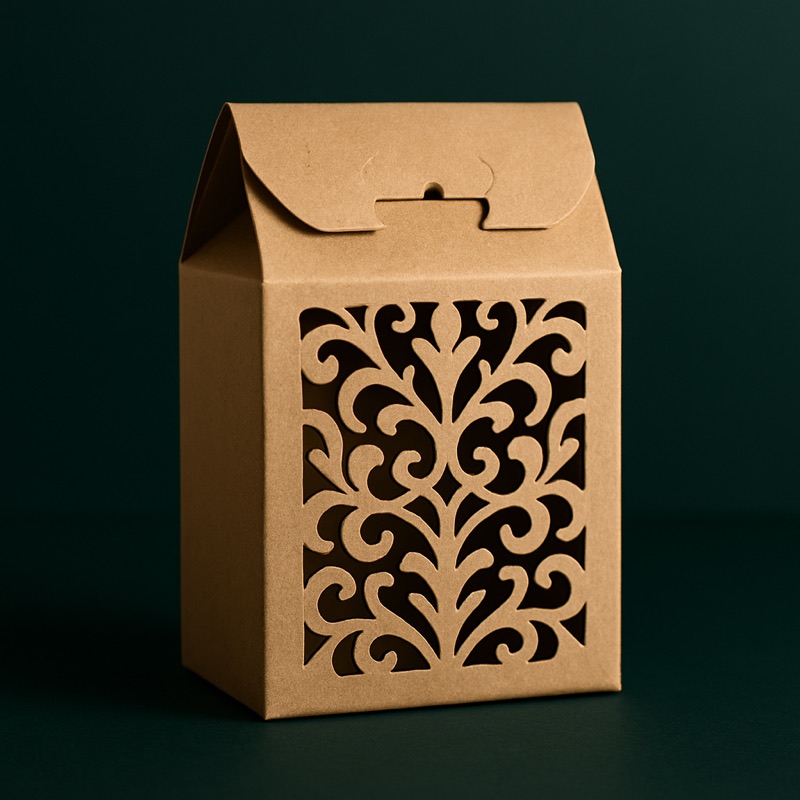
Gable boxes carry and display in one structure and need no assembly skill at the counter. Window cartons let a decorated cake or a laminated pastry sell itself. Tray-and-sleeve keeps one structural SKU across a rotating menu.
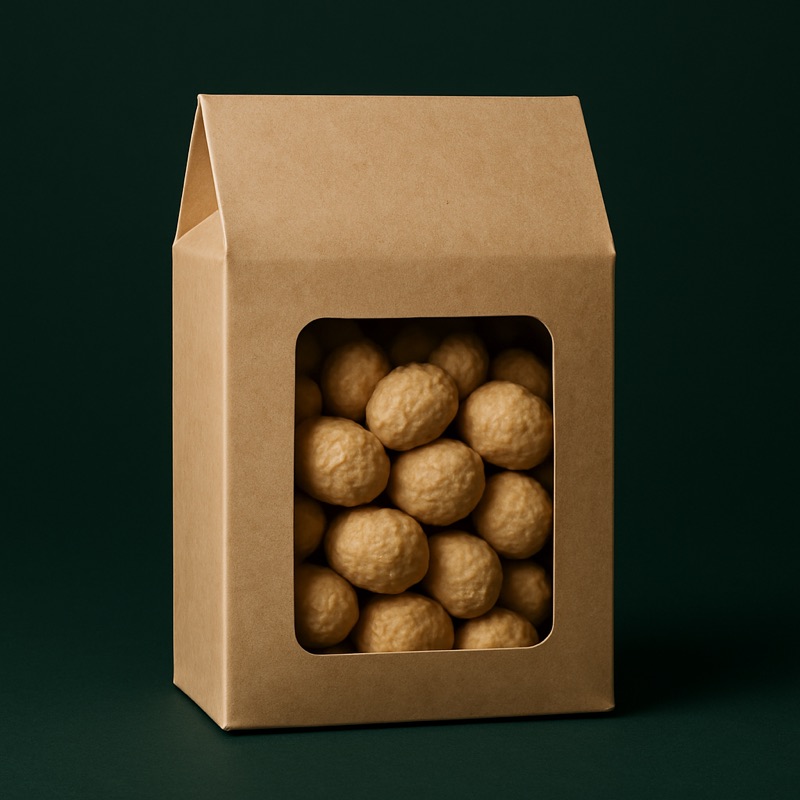
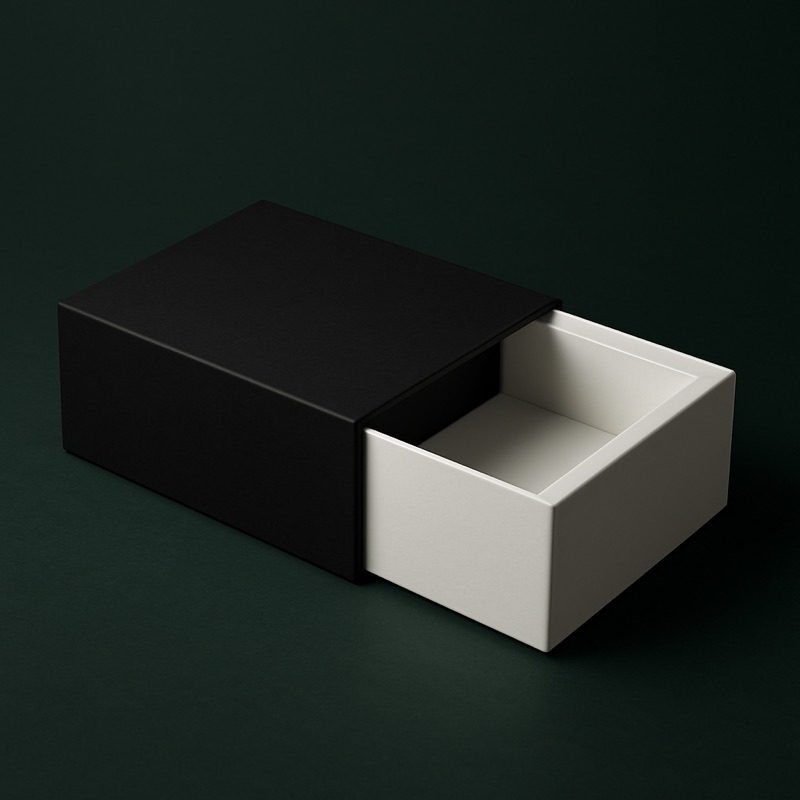
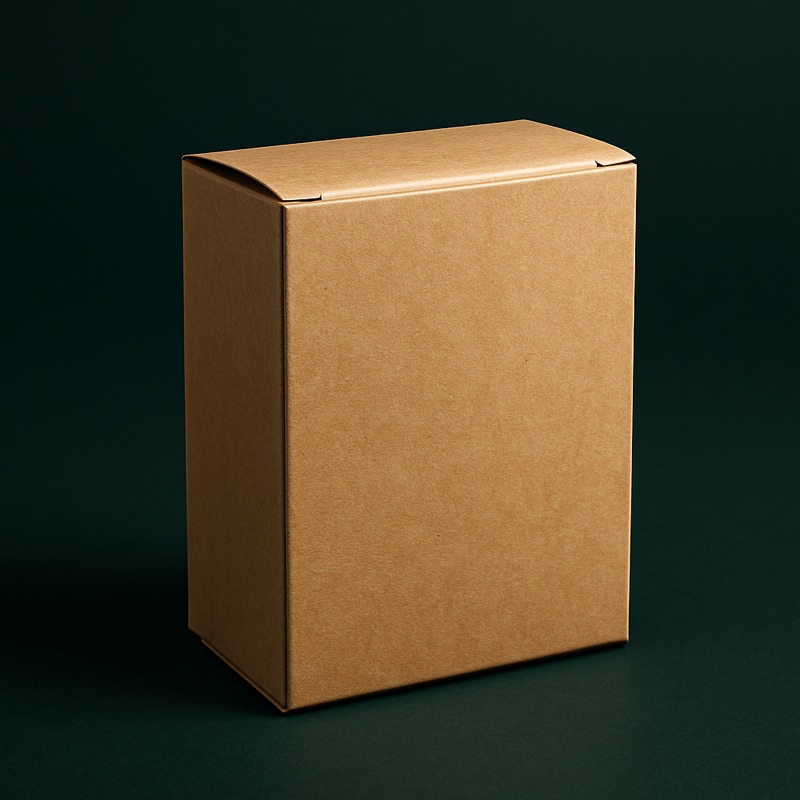
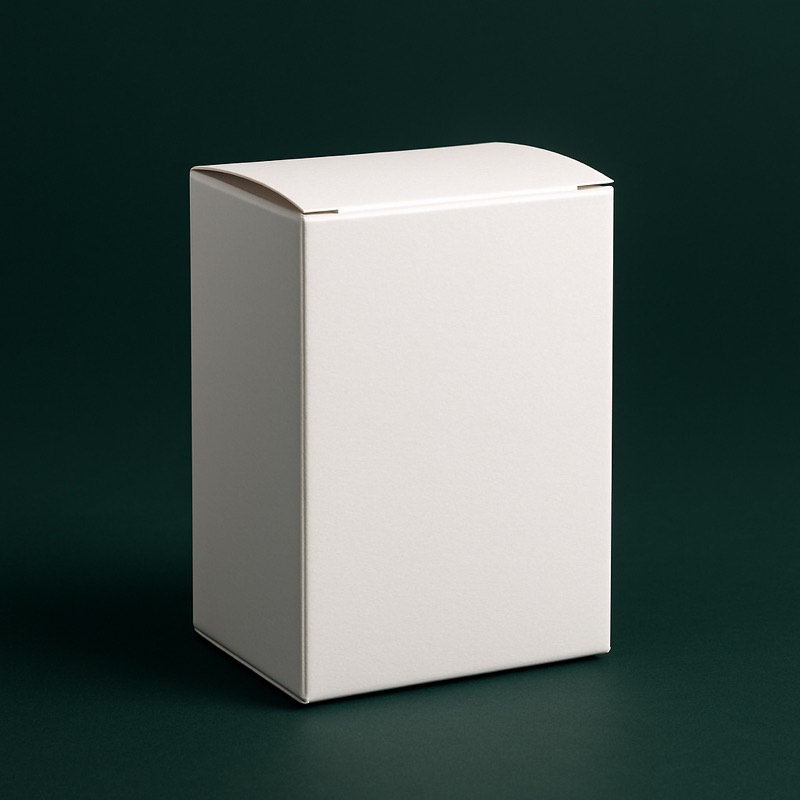
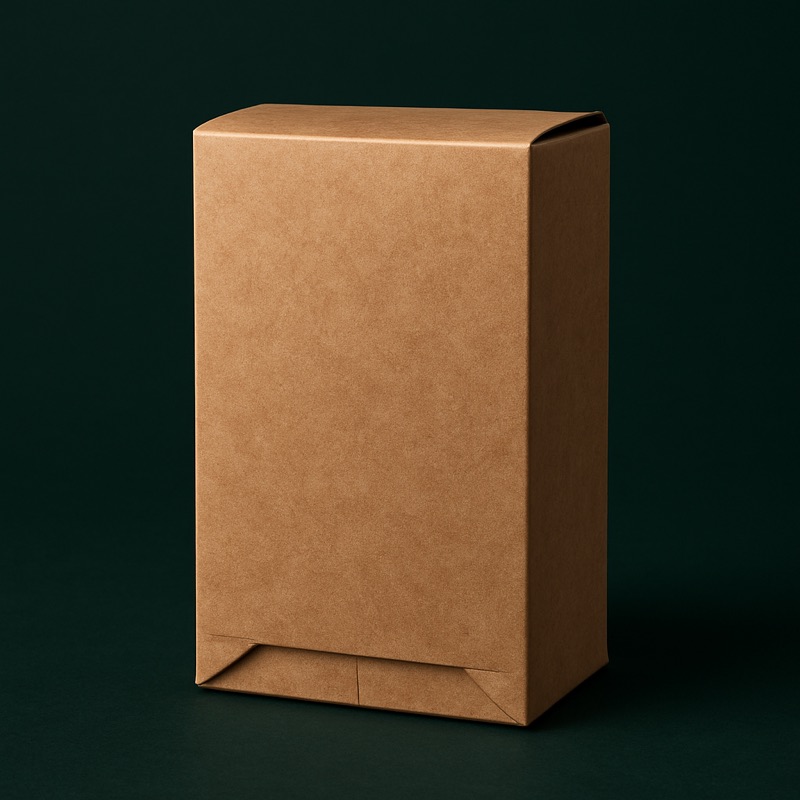
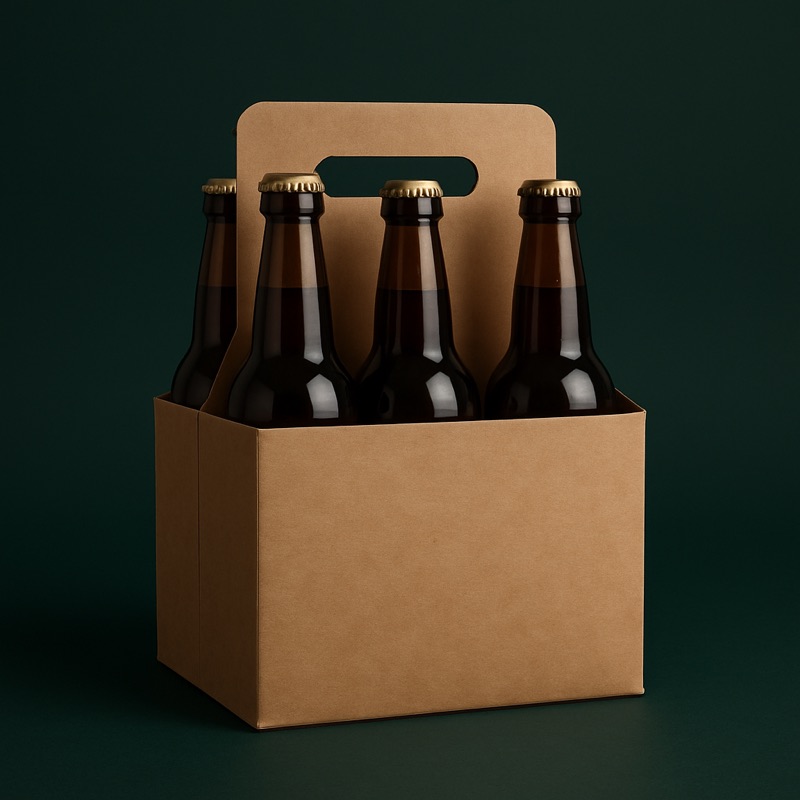
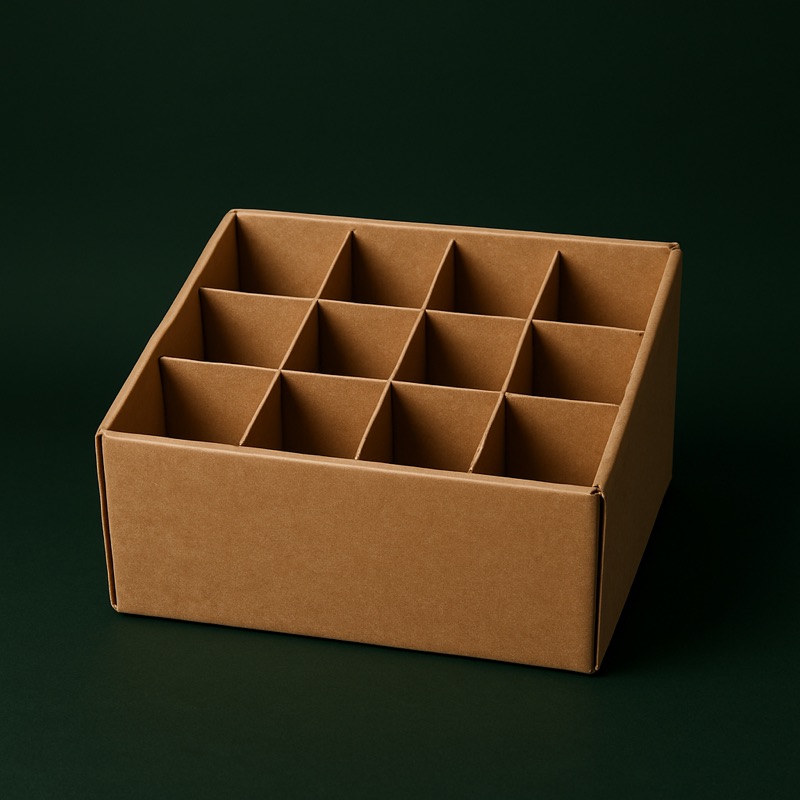
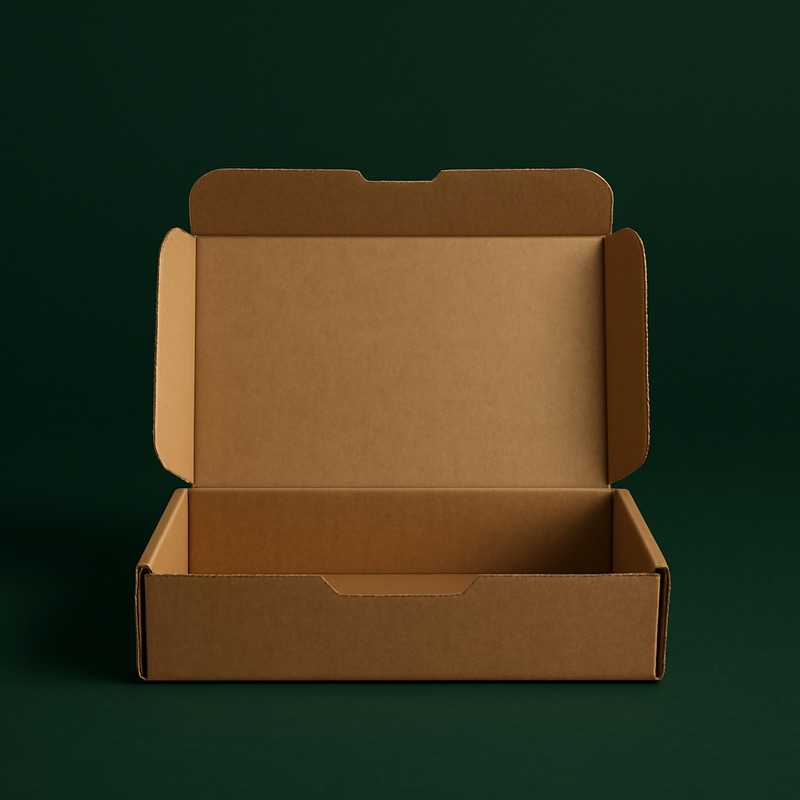
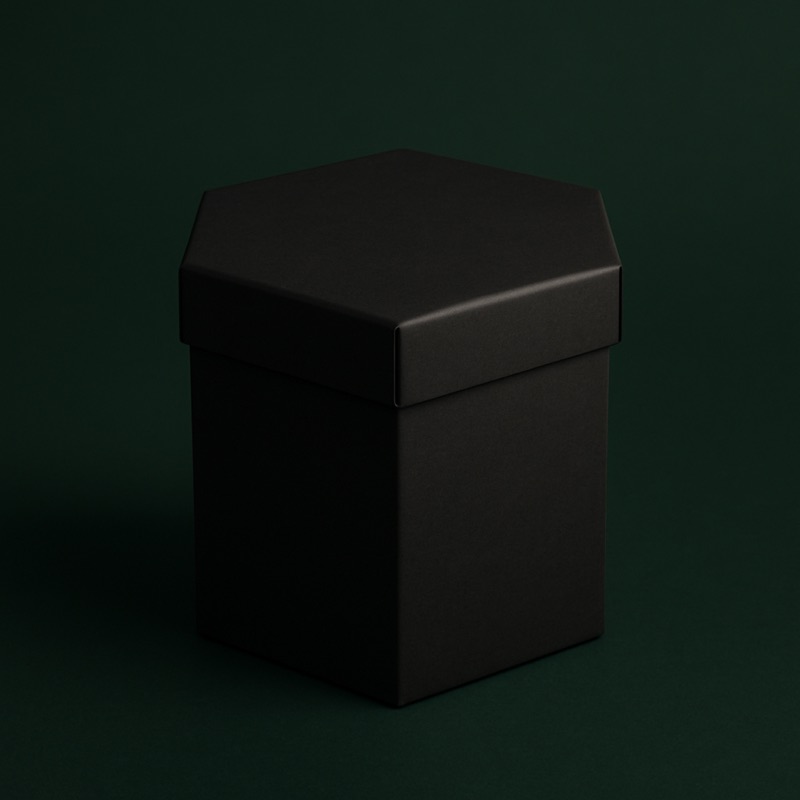
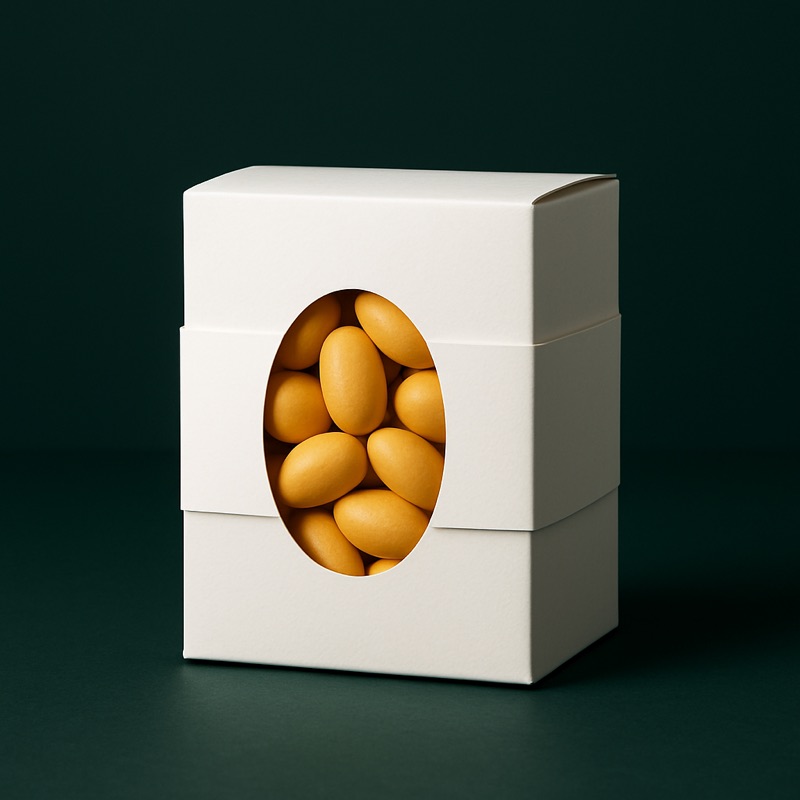
Gable BoxBuilt-in top handle, great for gifts and foodWindow BoxDie-cut window panel to show product insideTray & SleeveSeparate tray and sleeve for easy product displaySleeve BoxSliding sleeve over tray for premium retail presentationStraight Tuck End (STE)Standard retail box with top and bottom tucks in same directionReverse Tuck End (RTE)Top and bottom tucks in opposite directions for clean lookAuto-Bottom / Crash LockSelf-locking bottom for fast assembly at high volumeMulti-Pack CarrierHolds 4, 6, or 12 units with handle cutoutPartition / Compartment BoxInternal dividers for multi-item packagingTray Style CorrugatedOpen-top tray for retail display or shippingHexagonal BoxSix-sided box for premium gifting or specialty productsBellybrand BoxWrap-around label window shows product through open front
Pouches & bags
Cookies, granola and anything that travels.
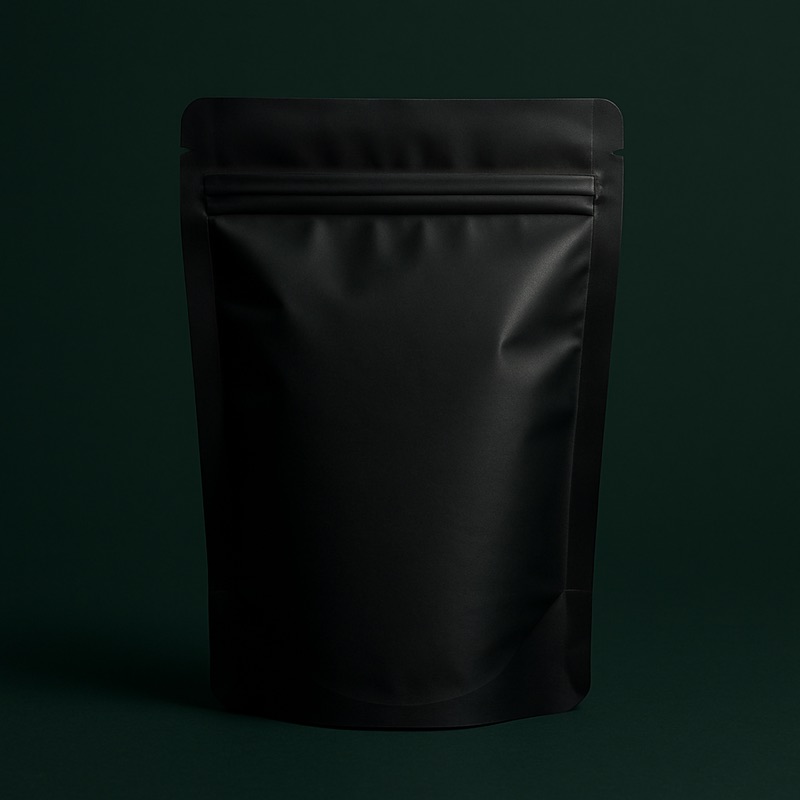
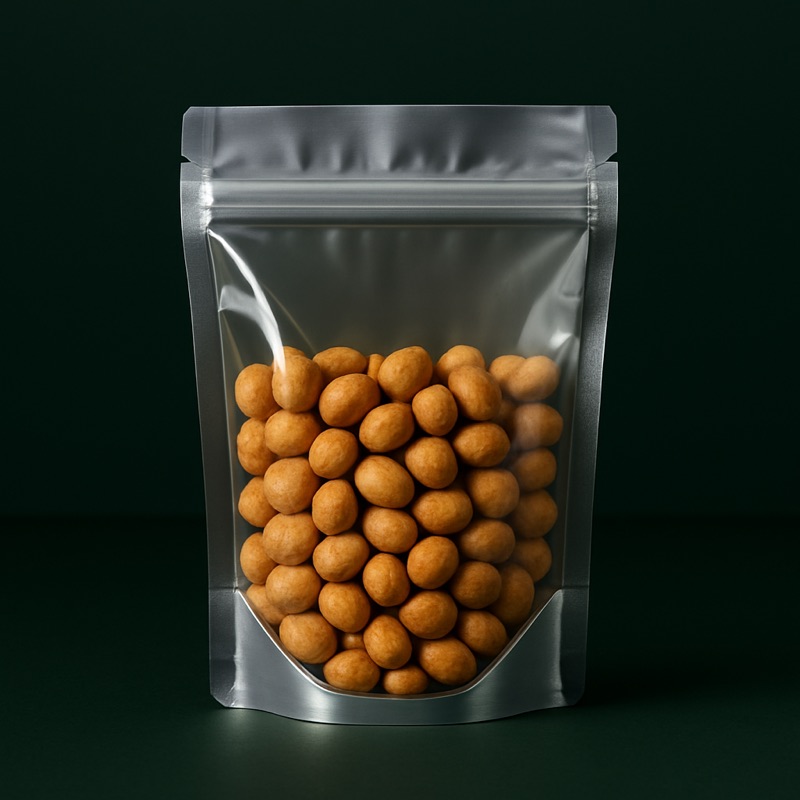
For shelf-stable baked goods a pouch beats a carton on cost and on barrier. Pillow and quad-seal run fast on automated lines; a resealable zipper is what turns a single-serve into a multi-serve pack.
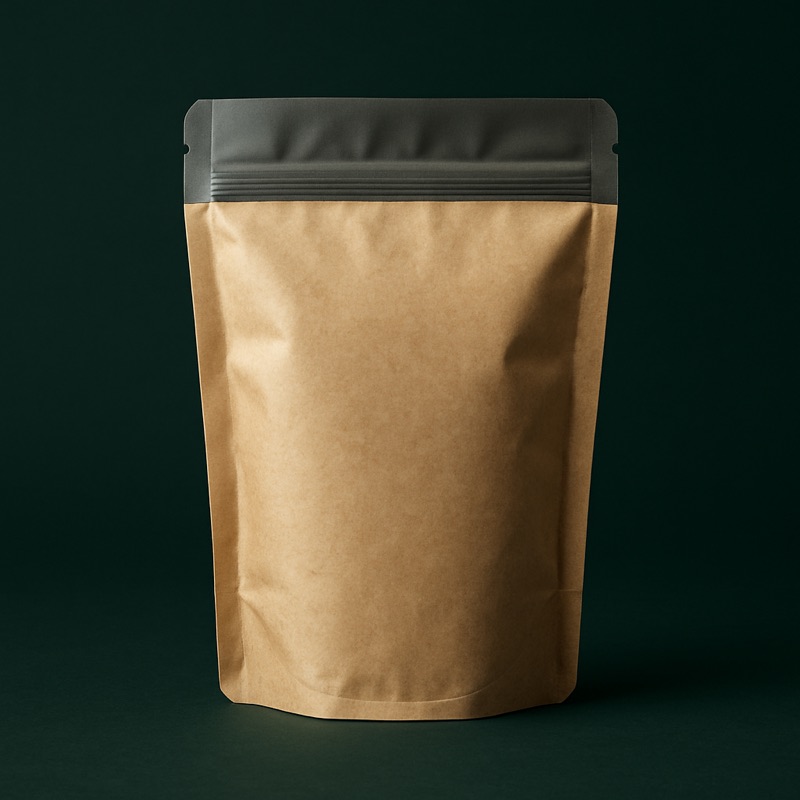
Fin Seal / Pillow PouchCenter back seal creates pillow-like shapeQuad Seal PouchFour-panel design for bulky products like coffee or pet foodStand-Up Pouch (SUP)Self-standing pouch for retail shelf presenceSide Gusset BagExpandable gusset on sides for bulk capacityZipper / Resealable PouchZip-close for repeat access by consumerClear-Front / Window MylarTransparent front panel shows productKraft Paper / Mylar HybridNatural kraft exterior with foil interior3-Side Seal Flat PouchThree heat-sealed edges, simple and low-cost
Food contact
Grease, migration and the boring details that matter.
Grease-resistant board and mineral-oil-free laminates exist because standard recycled board can let mineral oils migrate into food. On a direct-contact bakery application that is the specification question that actually matters — more than the print finish.
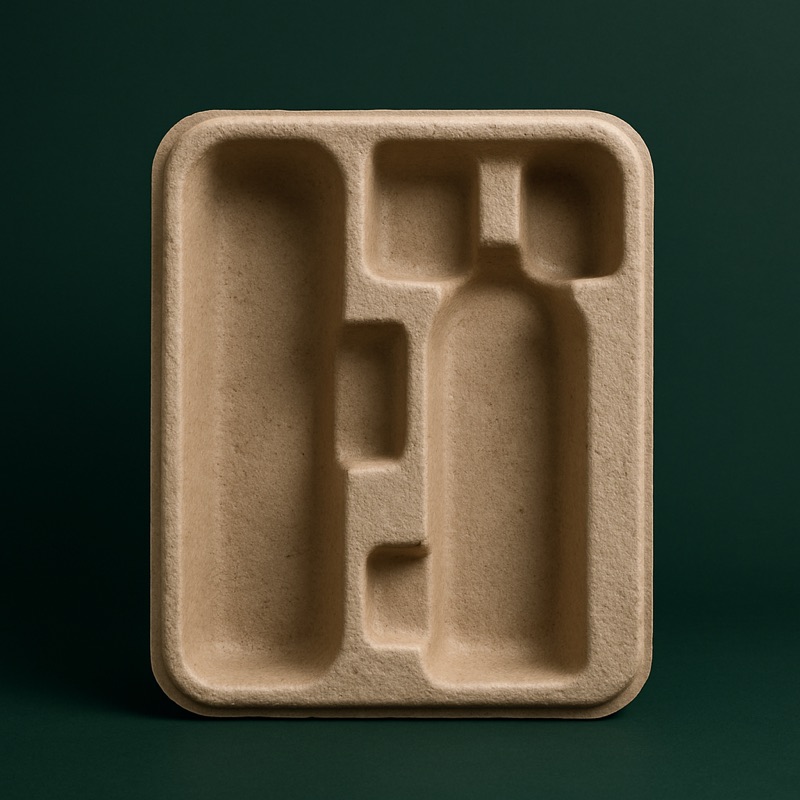
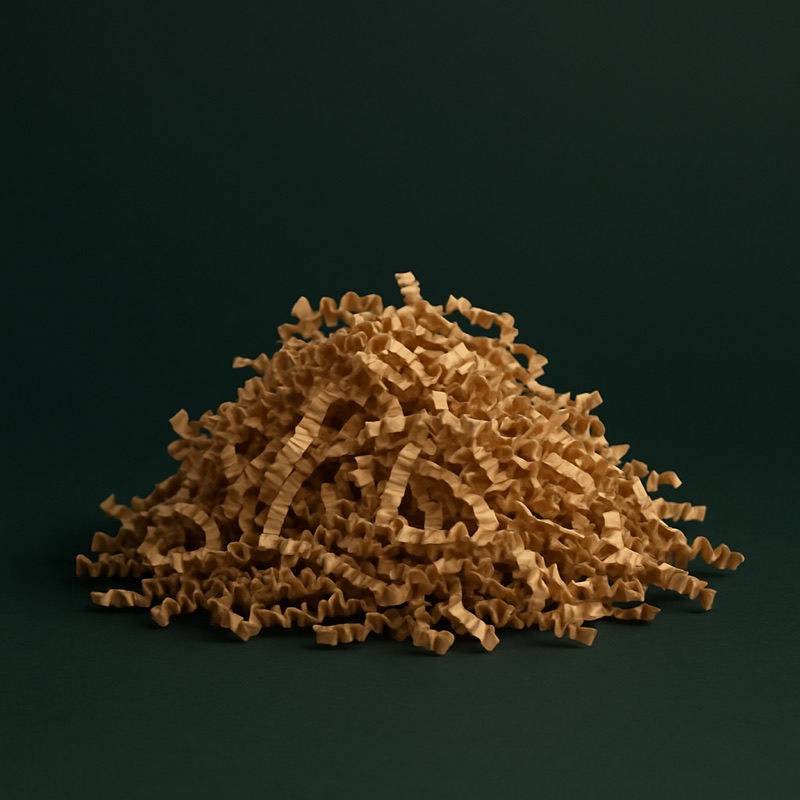
Mineral Oil-Free LaminatesFood-contact-safe barrier laminate free of mineral oilsFSC-Certified Paper BoxFolding carton from certified sustainably-managed forestsRecycled Content CorrugatedCorrugated made with 70\u2013100% post-consumer recycled fiberSoy-Based Ink PrintingAll printing done with renewable soy-based inksMolded Pulp InsertRecycled paper pulp molded to fit product contoursKraft Paper Void FillCrinkle-cut or honeycomb kraft paper for cushioning
Specifying it
How to spec bakery packaging.
Say immediately whether the product touches the board. Direct contact changes the specification from a print job into a food-contact job: grease-resistant board, mineral-oil-free laminates, and inks chosen for low migration. It is the decision that actually matters, and it is the one most often left out of a brief.
Then decide whether the product needs to be seen. A plain decorated cake sells on sight; a wrapped loaf does not need a window and is better protected without one. Windows also complicate grease resistance, because the film and the board behave differently against fat.
Size for the product plus the movement. Baked goods settle, slump and slide. A box sized exactly to a tray of pastries will deliver them stacked against one wall. An insert or a compartment is what keeps twelve macarons looking like twelve macarons.
If the pack goes out of a counter rather than off a shelf, prioritise one-handed assembly. A gable box or an auto-bottom carton is measurably faster at a busy counter than a tuck-end that needs two hands.
Pitfalls
What goes wrong.
Standard recycled board in direct contact. Recycled fibre can carry mineral oil residues that migrate into fatty foods. For direct contact, specify mineral-oil-free laminates or a virgin-fibre board — this is a real food-safety consideration, not a premium upsell.
Grease marks as the first customer impression. An uncoated kraft carton around a buttery pastry will show translucent patches within the hour. Either coat the board or choose a colour and finish where it does not read as a defect.
Condensation from packing warm. Product boxed before it has cooled sweats inside the carton, softens the board and ruins texture. That is an operations fix, but the packaging gets blamed.
No insert on anything delicate. Cupcakes, macarons and decorated cookies all arrive damaged without a fitted insert. Moulded pulp or die-cut board both work; nothing works.
Cost drivers
What moves the price.
Board grade and coating set the base. Grease-resistant board with a mineral-oil-free laminate costs more than standard recycled board — that difference is the price of direct food contact, and it is not a place to optimise.
Windows and inserts are the two structural add-ons that move the number most. A fitted insert for cupcakes or macarons can approach the cost of the carton itself, and it is still cheaper than the replacement orders you send without one.
Assembly speed is a hidden cost that shows up in labour rather than on the packaging invoice. An auto-bottom or gable carton costs slightly more per unit than a plain tuck-end and is meaningfully faster at a busy counter. At volume that trade usually favours the more expensive carton.
Volume moves all of it. The jump from 1,000 to 5,000 units is the single largest percentage drop you will see, because the fixed setup is spread across five times the run. Quotes here are all-in — tooling, printing, finishing and packing in one number — and reorders carry no setup fee, so the second run of the same artwork is always cheaper than the first.
Printing & finish
Every printing & finish option.
Every decoration below runs on bakery cartons, sleeves and pouches. Pantone spot matching is standard, not an upcharge tier, and artwork files stay on record for 24 months so a reorder is a single email.
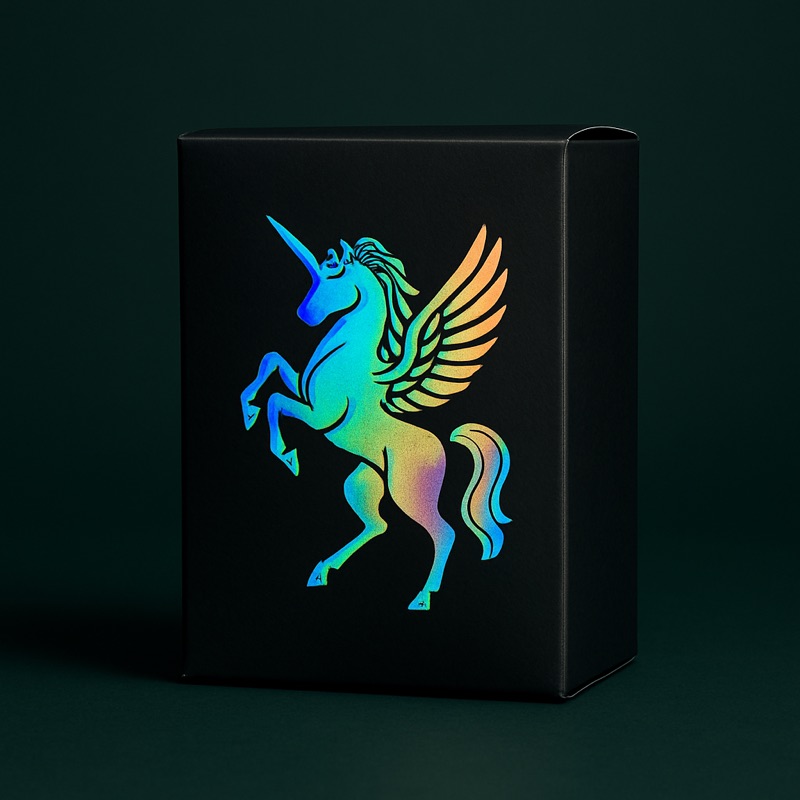
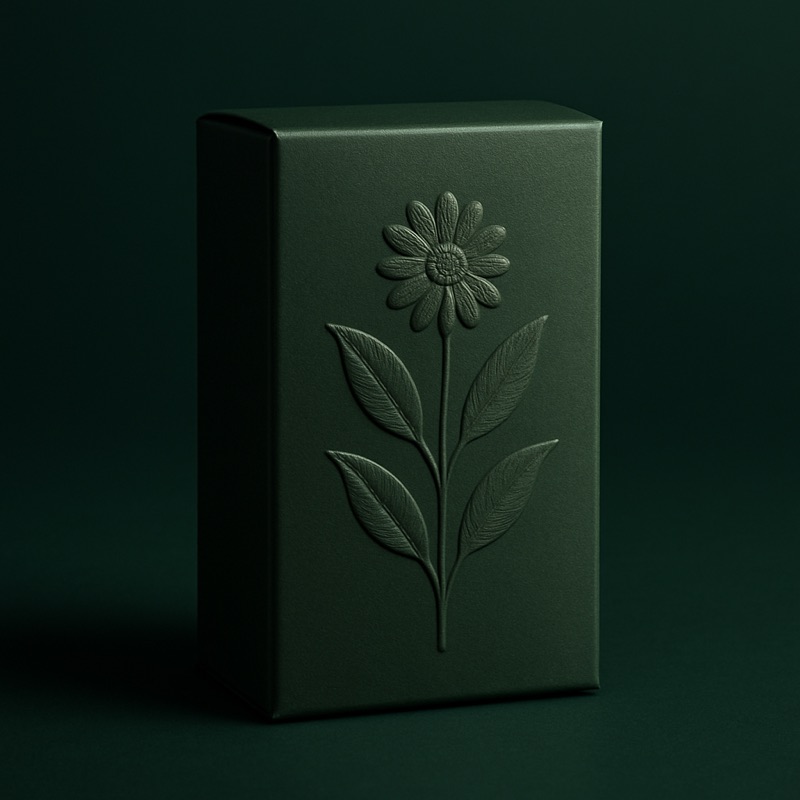
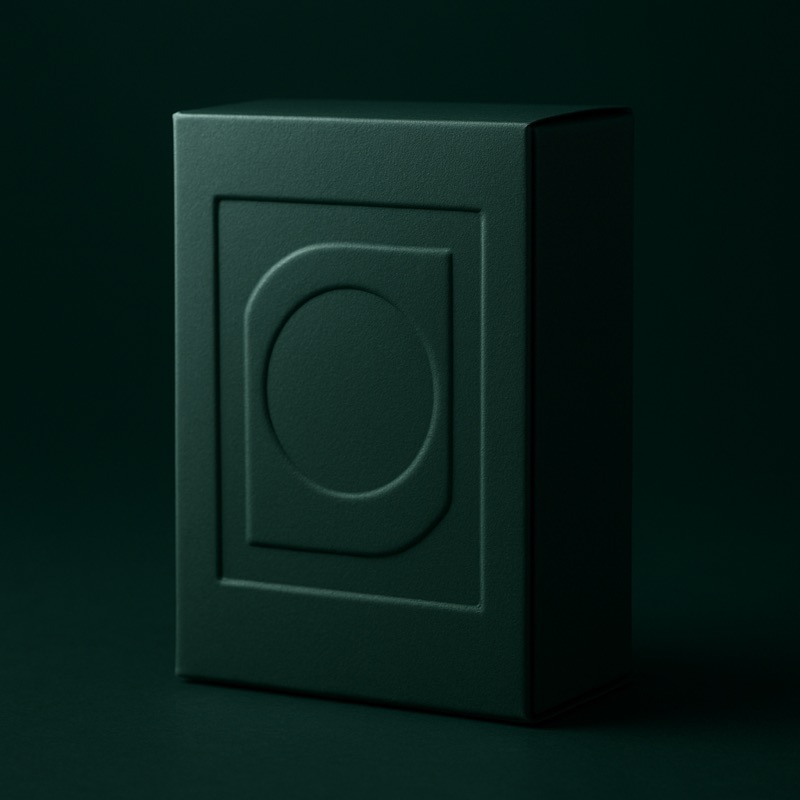
Soft Touch / Velvet LaminationVelvety tactile matte laminate that feels luxuriousMatte LaminationSmooth non-reflective matte film for sophisticated lookGloss LaminationHigh-shine protective gloss film over printSpot UV CoatingGlossy UV resin applied to selected design elementsGold Foil StampingMetallic gold foil pressed into substrate for luxury accentSilver Foil StampingMetallic silver foil stamping for premium highlightsHolographic Foil StampingRainbow-spectrum holographic foil for bold visual impactEmbossingRaised relief design pressed into packaging surfaceDebossingRecessed impression pressed into the packaging substratePantone Spot Color MatchingExact Pantone ink match for precise brand color consistencyDie CuttingCustom shape cut from flat packaging materialTextured Paper / BoardLinen, canvas, or felt-textured substrate for tactile branding
Process
From sample to shelf.
Send the product dimensions and say whether it touches the board directly. Direct contact changes the board and the coating, not just the artwork.
1 · SpecTell us the fillvolume, weight or dimensions — we spec the format
3 · ArtworkDieline & proofin-house design at $75–$150/hr if you need it
4 · ProductionAs few as 5 business daysfrom artwork approval (up to 15), then delivered to all 50 states in as soon as 4 days with Expedited (up to 12) or 25 days with Standard (up to 35)
FAQ
Questions, answered.
How much does custom bakery packaging cost?
About $0.15 to $6.50 per carton depending on size, board weight and finish. Quotes are all-in, with no setup fees on reorders.
What is the minimum order for bakery boxes?
Custom pouches start at 500 bags per design, labels and boxes at 100 and mailers at 500 with a one-color logo (5,000 in full color), all priced instantly and ordered online. Other formats are priced on request, and multiple SKUs can share a production run.
Is the board food-safe for direct contact?
Specify direct contact and we'll quote grease-resistant board with mineral-oil-free laminates. Standard recycled board can allow mineral oil migration, so it is not the default choice for direct contact.
Can bakery boxes have windows?
Yes — die-cut apertures with film, in any shape. This is the single most common request in the category and it is worth it on anything decorated.
What holds cupcakes or macarons in place?
A fitted insert — paperboard partitions or moulded pulp. Without one they arrive on their sides.
Do you do bakery pouches as well as boxes?
Yes. For shelf-stable items like cookies and granola a pillow or quad-seal pouch costs less and gives a better barrier than a carton.
What board should I use for direct food contact?
Grease-resistant board with mineral-oil-free laminates. Standard recycled fibre can carry mineral oil residues that migrate into fatty foods, so it isn't the default for direct contact.
Why does my kraft box show grease marks?
Uncoated kraft goes translucent against butter and oil within the hour. Either coat the board or choose a finish where it doesn't read as a defect.
What keeps cupcakes and macarons from moving?
A fitted insert — die-cut board or moulded pulp. Without one they arrive stacked against one wall.
Which carton is fastest at a counter?
A gable box or an auto-bottom carton. Both assemble one-handed and are measurably quicker than a tuck-end during a rush.