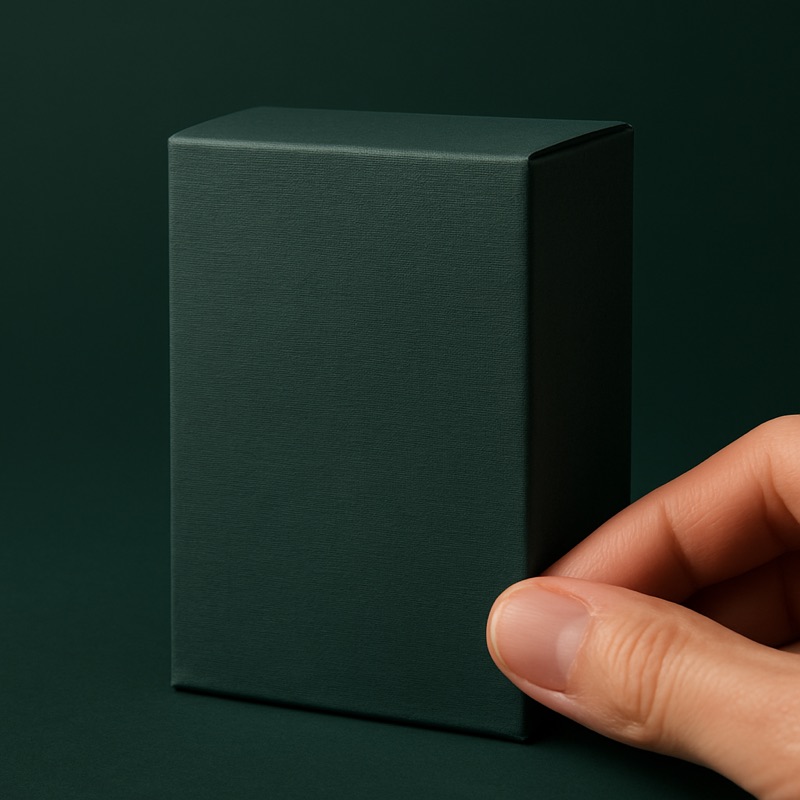
A candle is sold twice — once on the shelf and once when it is given. That means the vessel has to look finished on its own and the outer has to survive being shipped. TWO Packaging supplies straight-sided, frosted and amber glass jars, rigid gift boxes, sleeves, fitted inserts and labels, with jars from $0.45 at 1,000 units.
Jar price range$0.45 – $3.80per jar, by size and glass finish
Minimum orderPriced on requestmultiple SKUs can share a run
Ship safelyInsert or no saleglass plus wax is heavy and unforgiving in transit
ProductionAs few as 5 daysbusiness days for printed pouches and boxes, from artwork approval (up to 15), then delivery in as soon as 4 days Expedited or 25 days Standard
Custom Candle Packaging
Vessels.
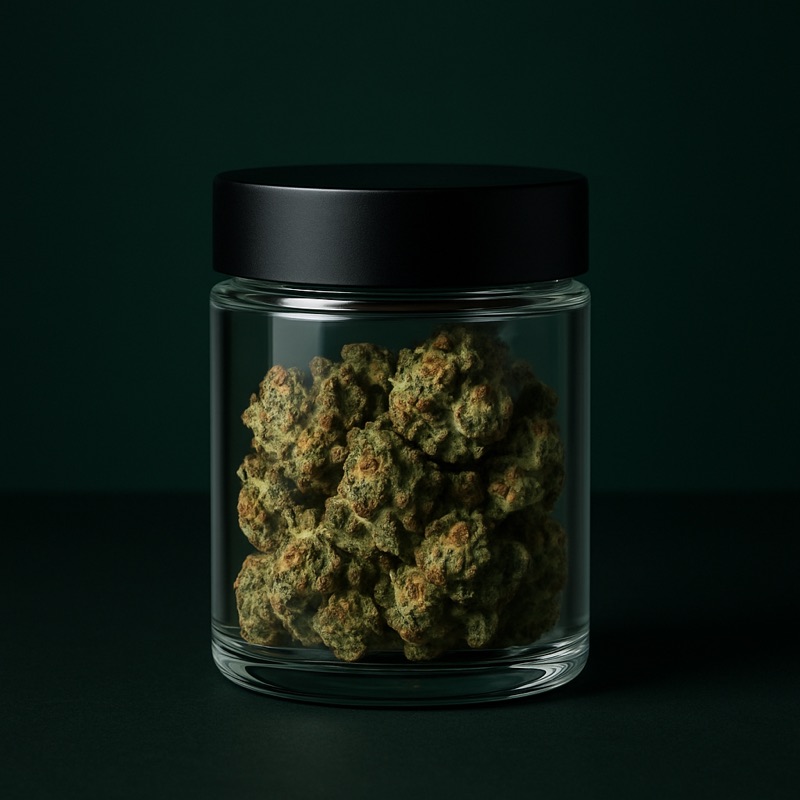
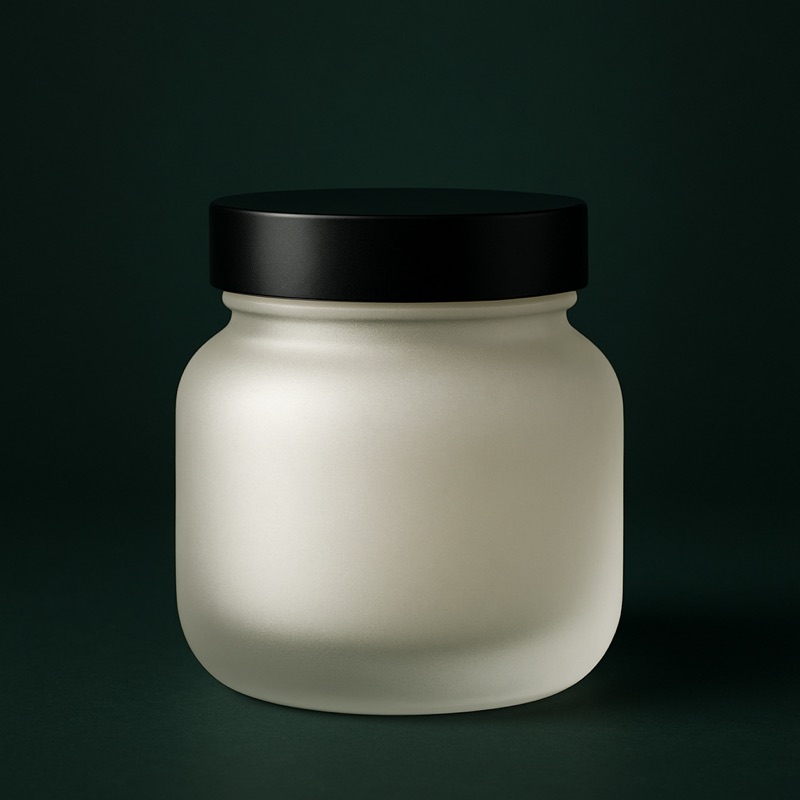
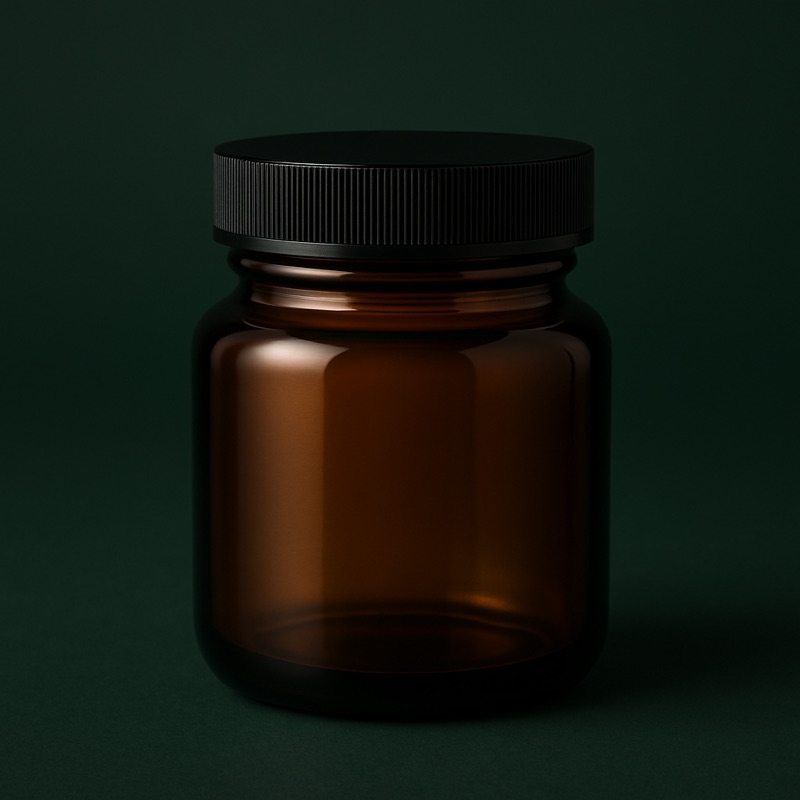
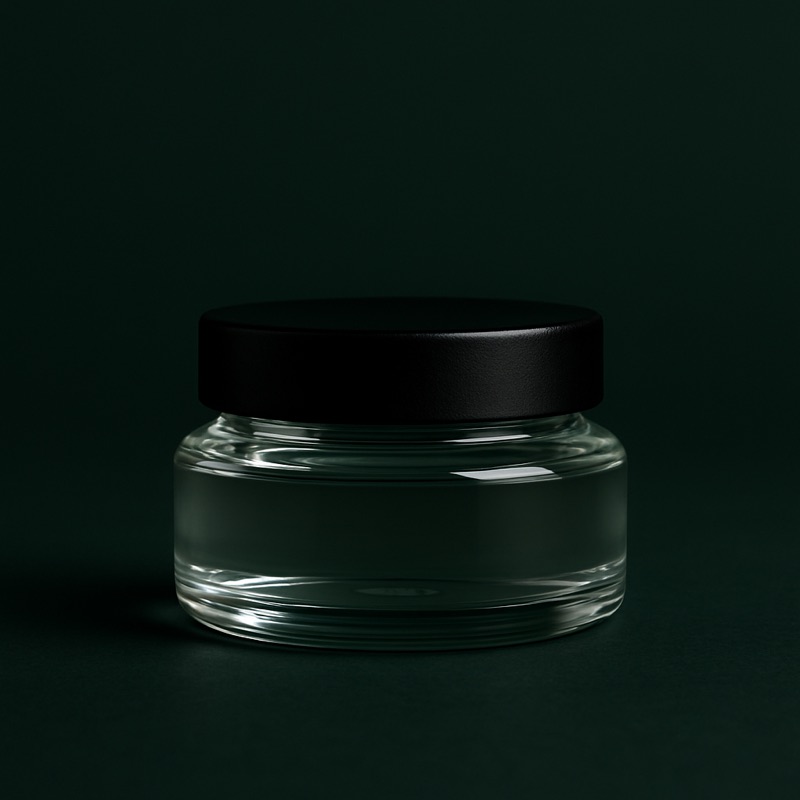
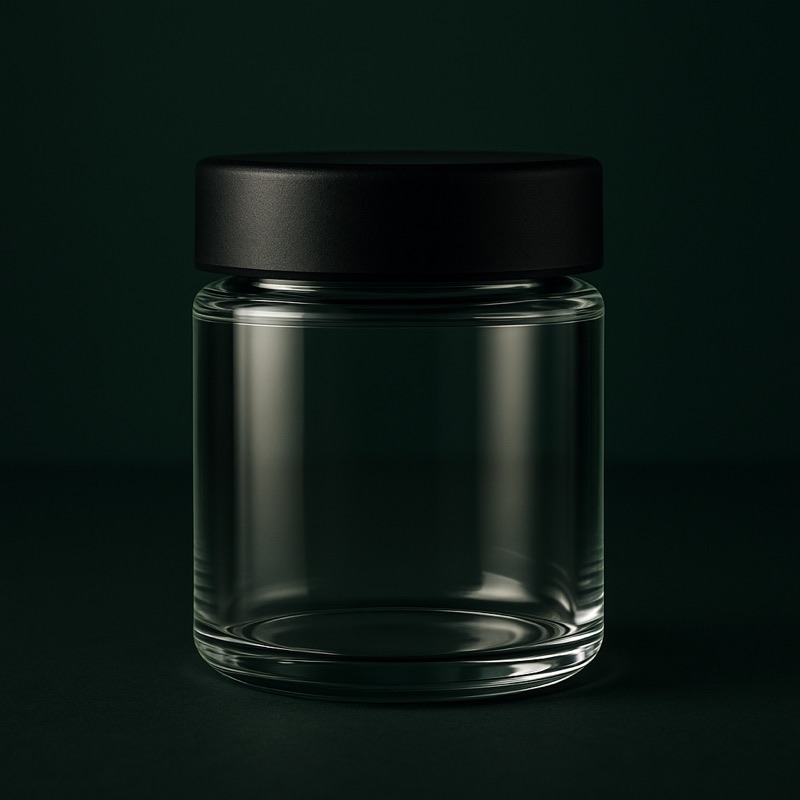
Straight-sided jars are the category standard and the easiest to label edge to edge. Frosted diffuses the glow and hides wax shrinkage against the glass. Amber reads apothecary and hides a multitude of pour imperfections. Stubby profiles suit travel tins and sample sizes.
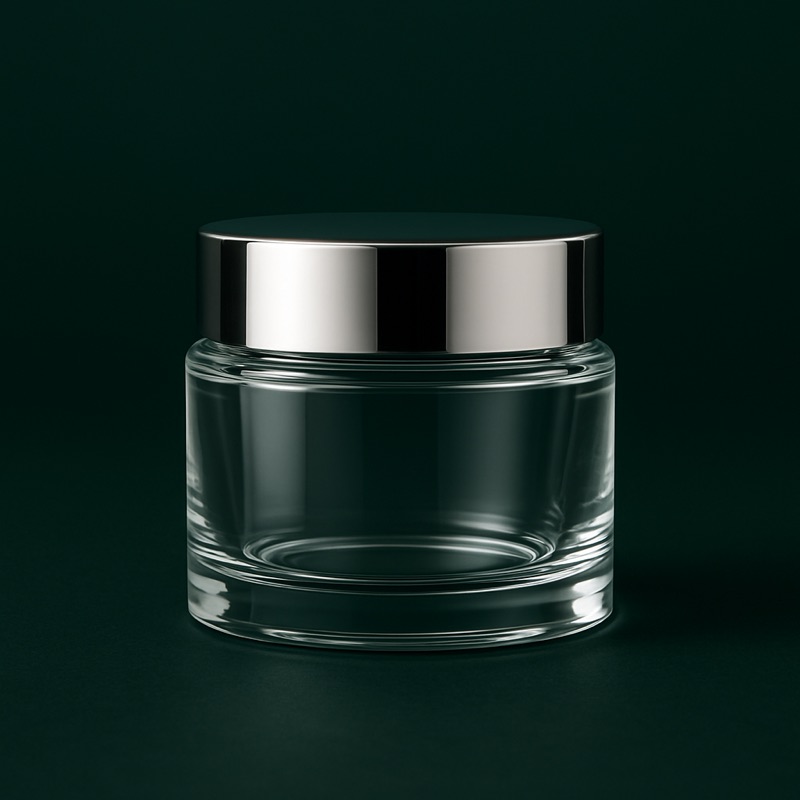
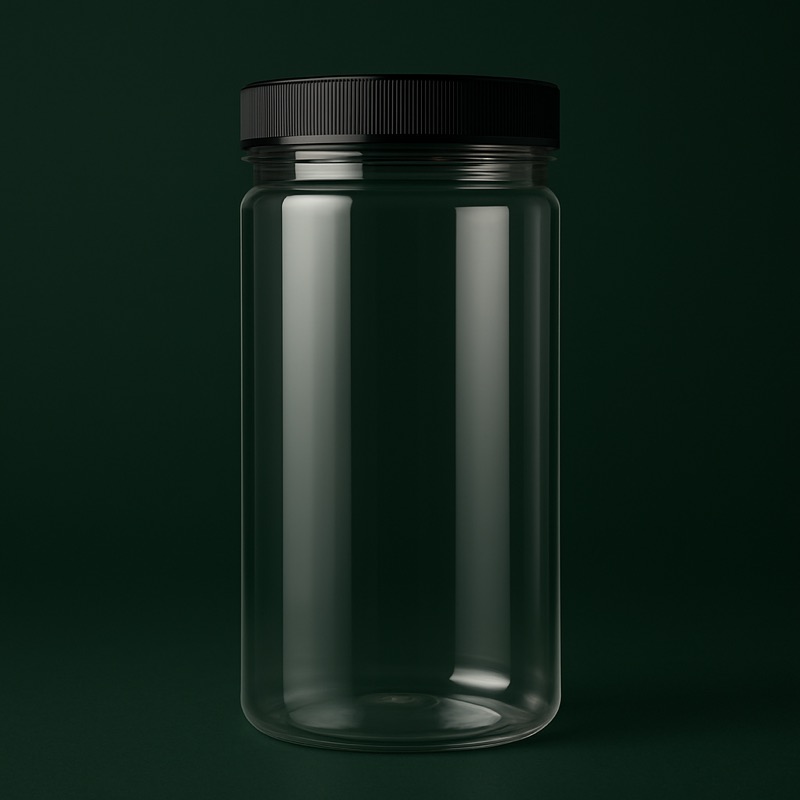
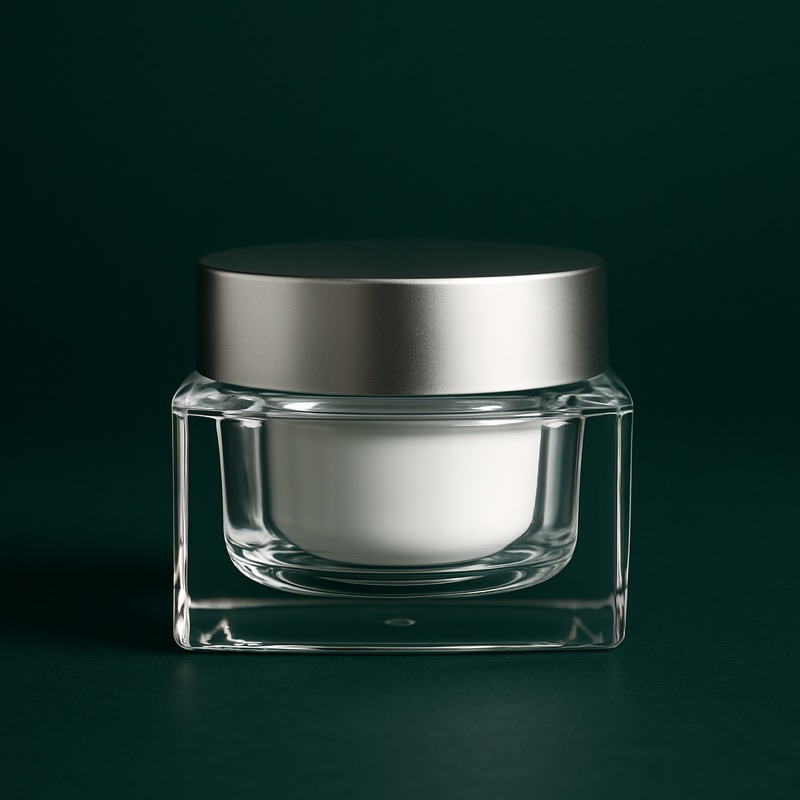
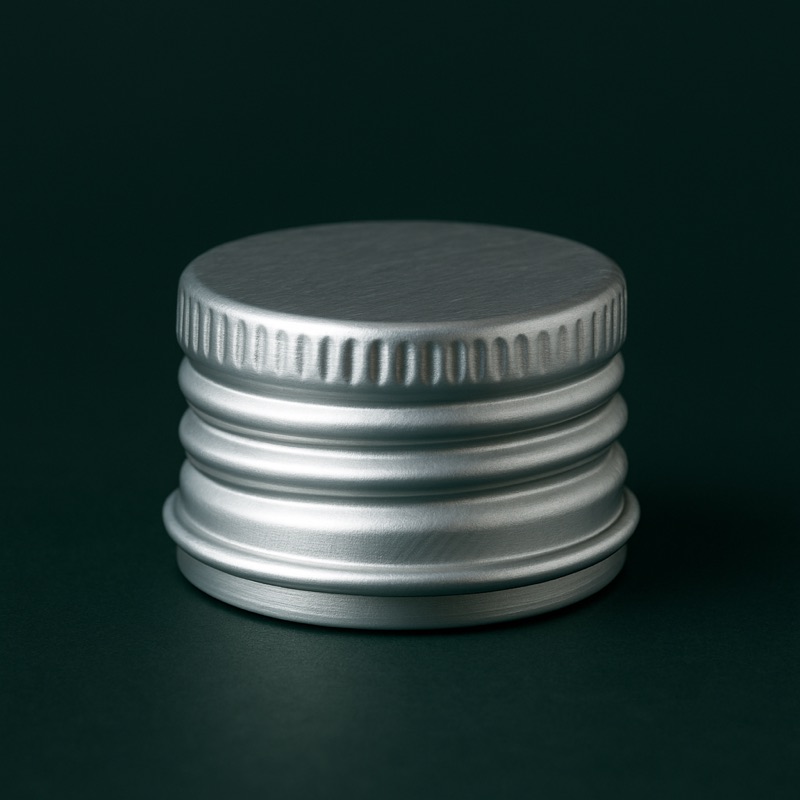
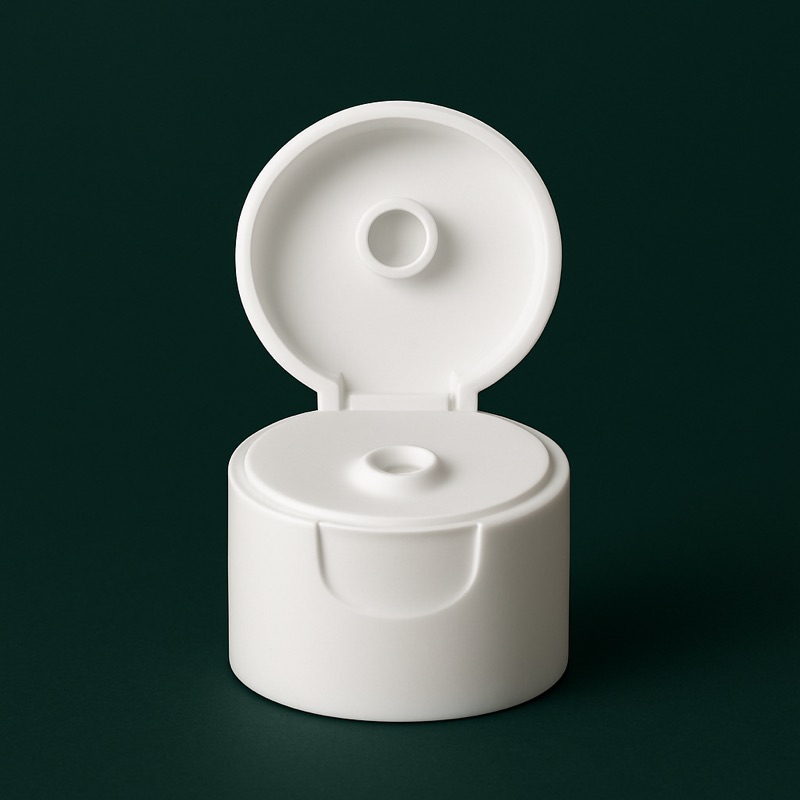
Straight-Sided Glass JarClean straight walls, easy to label edge to edgeFrosted Glass JarEtched frosted surface for luxury brand presentationAmber UV Glass JarUV-blocking amber glass preserves light-sensitive productsStubby / Shorty Glass JarLow-profile squat glass jar for balms, candles and cosmeticsWide Mouth Glass JarWide-mouth jar for creams, balms, salves and dry goodsCosmetic Glass JarWide-mouth glass jar for premium skincare and beautyClear PET Cylinder JarTall cylindrical clear container for snacks and gummiesAcrylic Cosmetic JarCrystal-clear acrylic jar for cream and beauty productsMetal Continuous Thread CapAluminum screw cap for premium glass bottlesDisc Top CapPress-open flip cap for easy one-hand dispensing
Outer packaging
Rigid boxes, sleeves and gift sets.
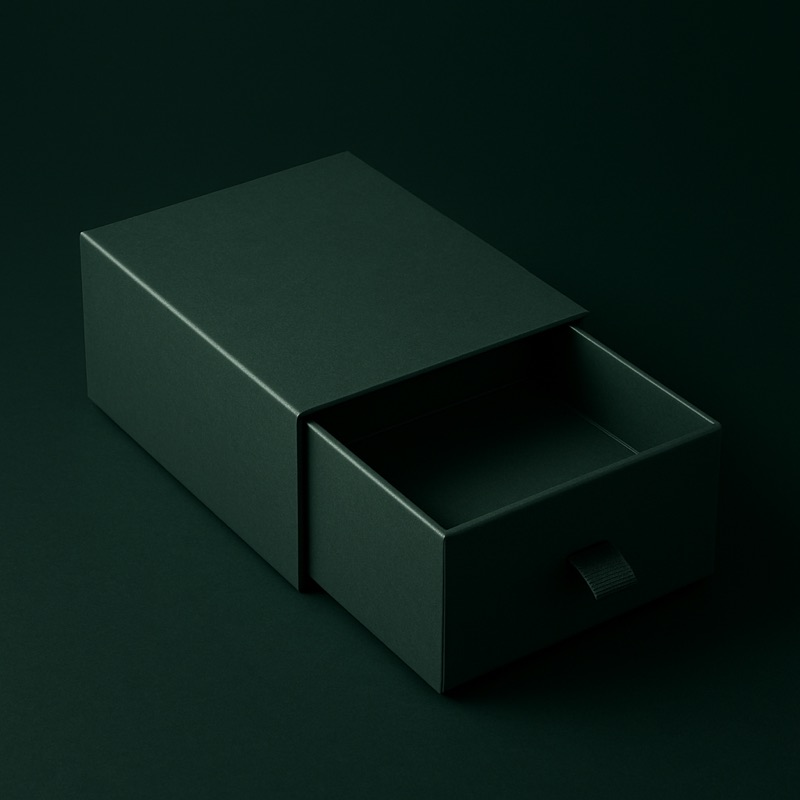
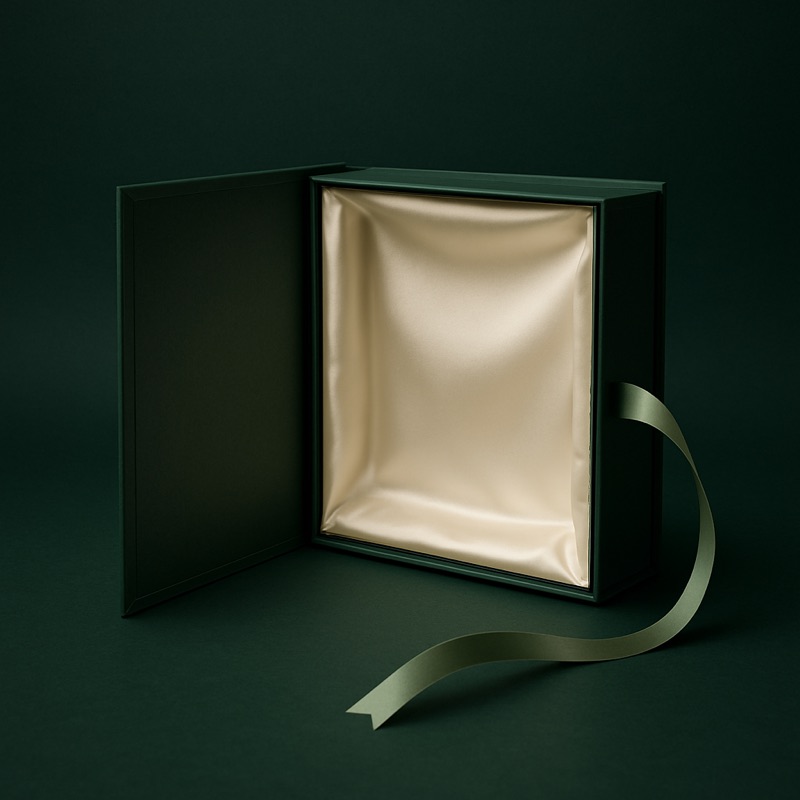
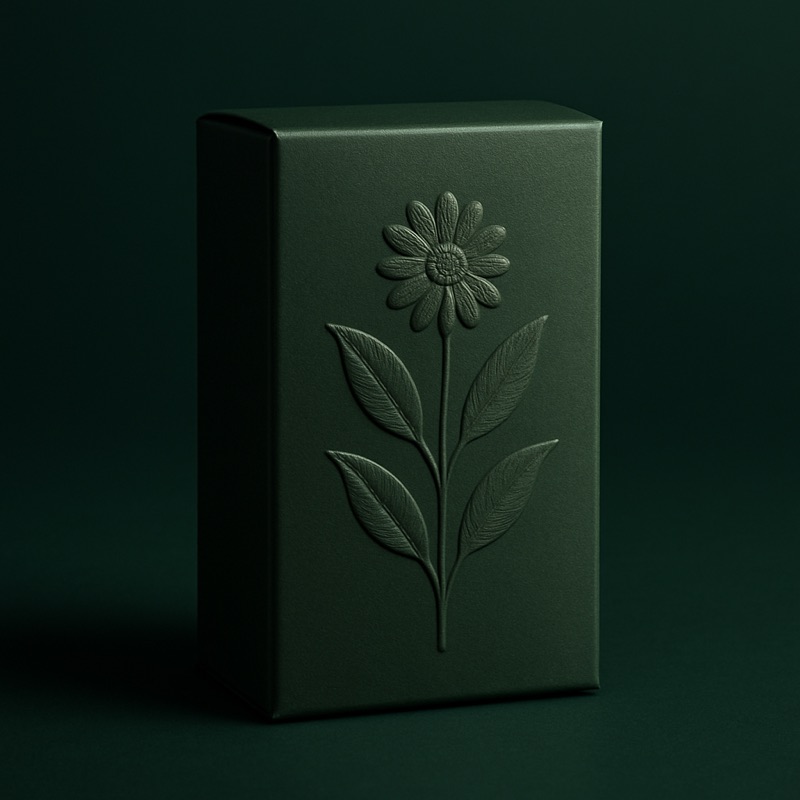
A rigid box is what makes a $12 candle read as a $40 gift, and it is the only outer that reliably protects glass in a parcel network. Sleeves over a plain rigid base let one structure carry a whole scent range. Tiered and compartment boxes handle sets.
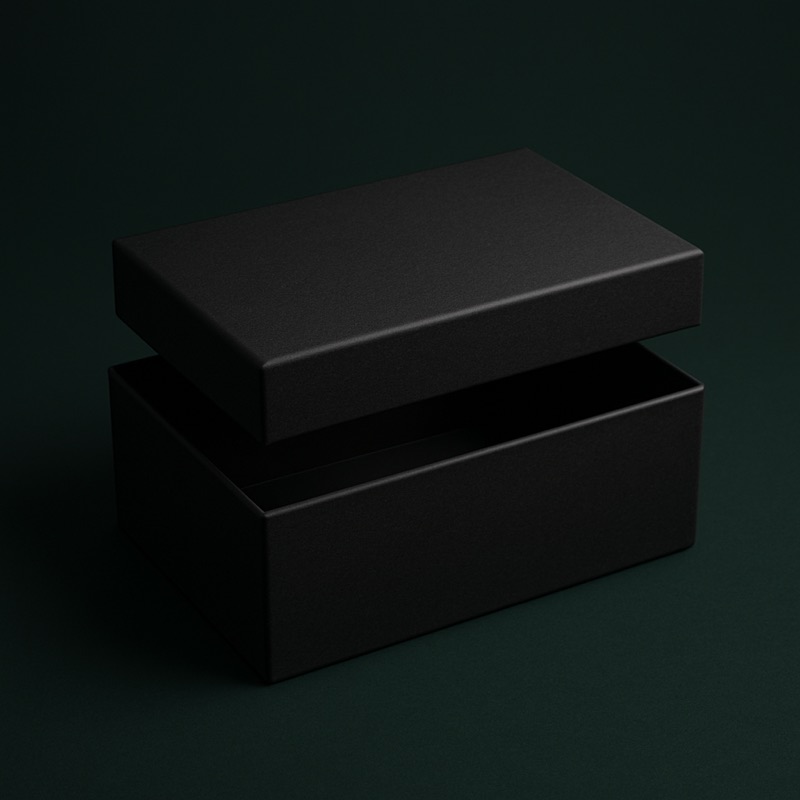
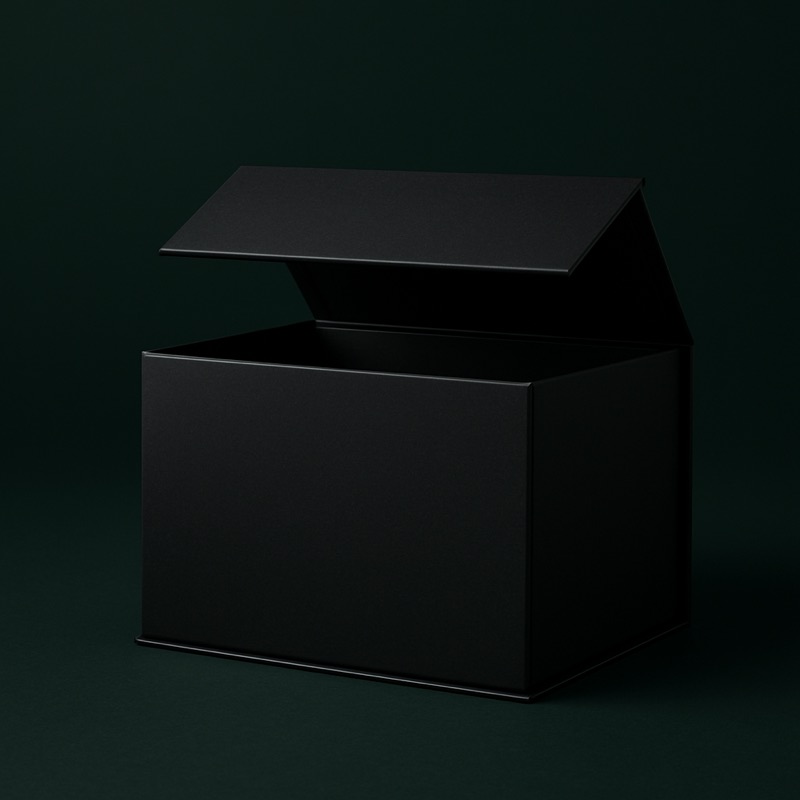
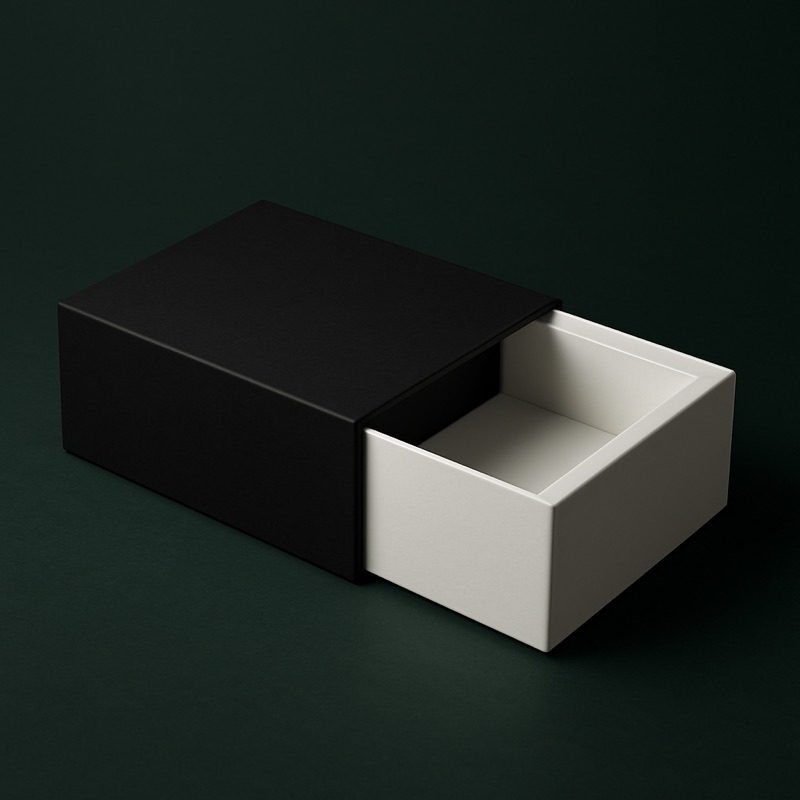
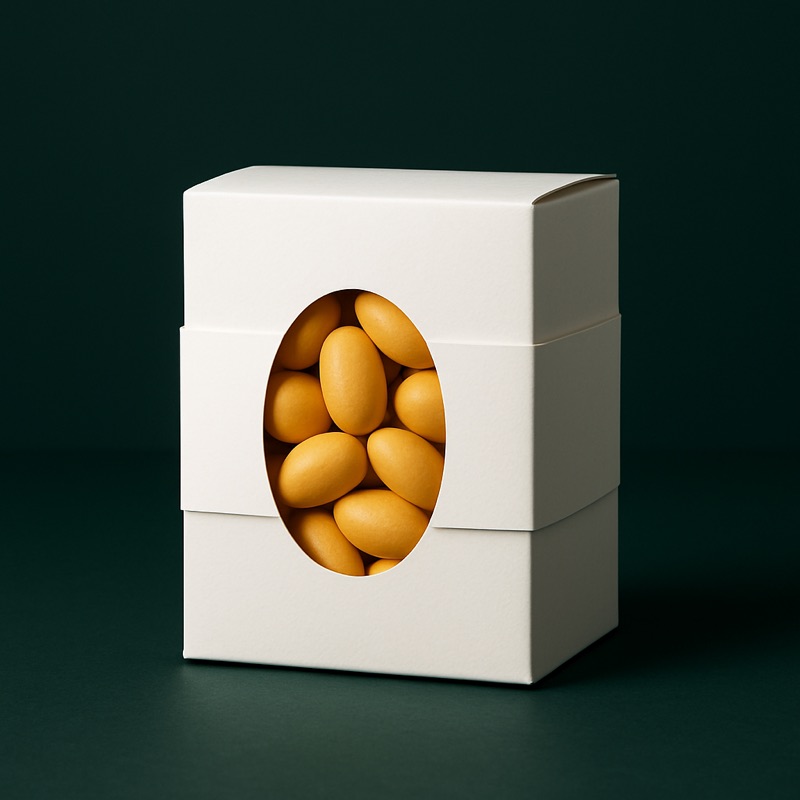
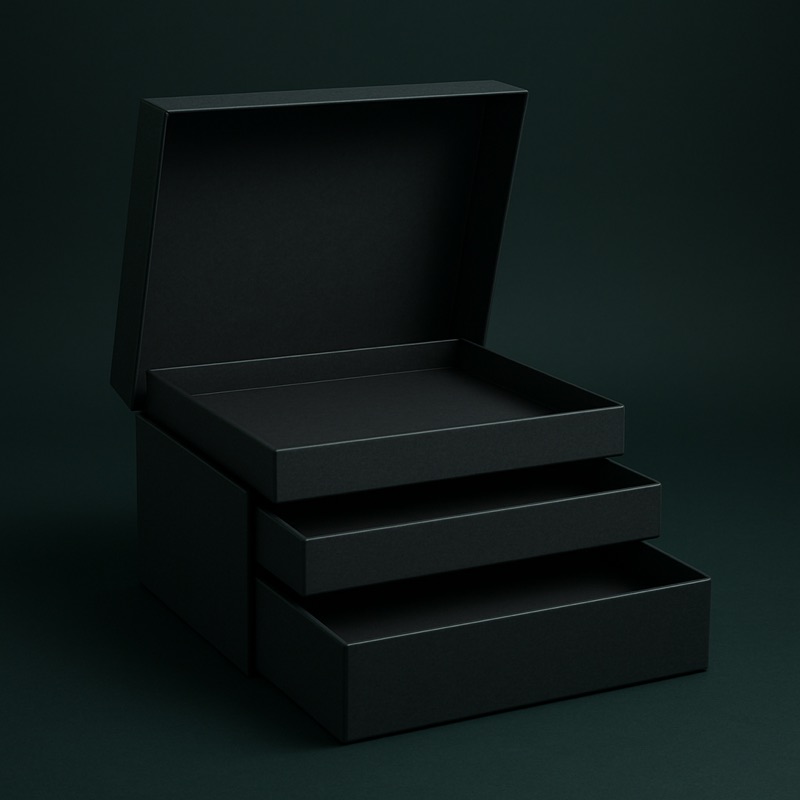
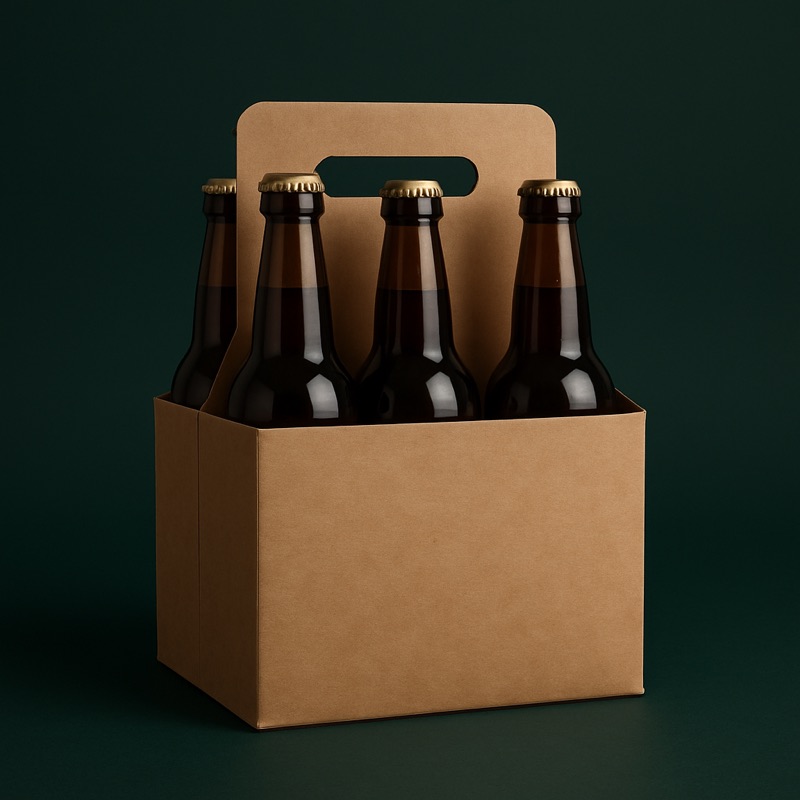
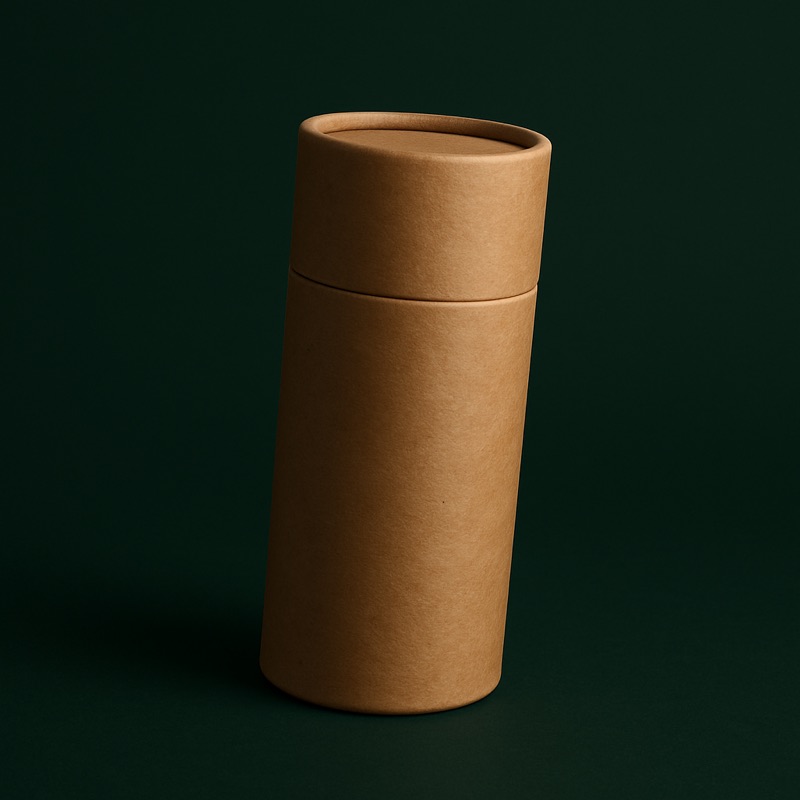
Two-Piece Lid & BaseClassic lift-off lid setup box for premium productsMagnetic Closure Box (Single Flap)One-piece hinged with hidden magnetsDrawer / Sliding BoxSliding inner tray pulled from outer sleeveTray with Ribbon PullTray inside sleeve with ribbon for easy removalBook Style BoxOpens like a book with ribbon or magnetic holdRound Rigid BoxCylinder or round-top rigid box for specialty productsSleeve BoxSliding sleeve over tray for premium retail presentationBellybrand BoxWrap-around label window shows product through open frontPartition / Compartment BoxInternal dividers for multi-item packagingTiered Gift BoxStacking trays inside single outer rigid boxMulti-Pack CarrierHolds 4, 6, or 12 units with handle cutoutTube Box / Cylinder BoxRound cylinder for posters, bottles, or cosmetics
Protection
Glass, wax and the parcel network.
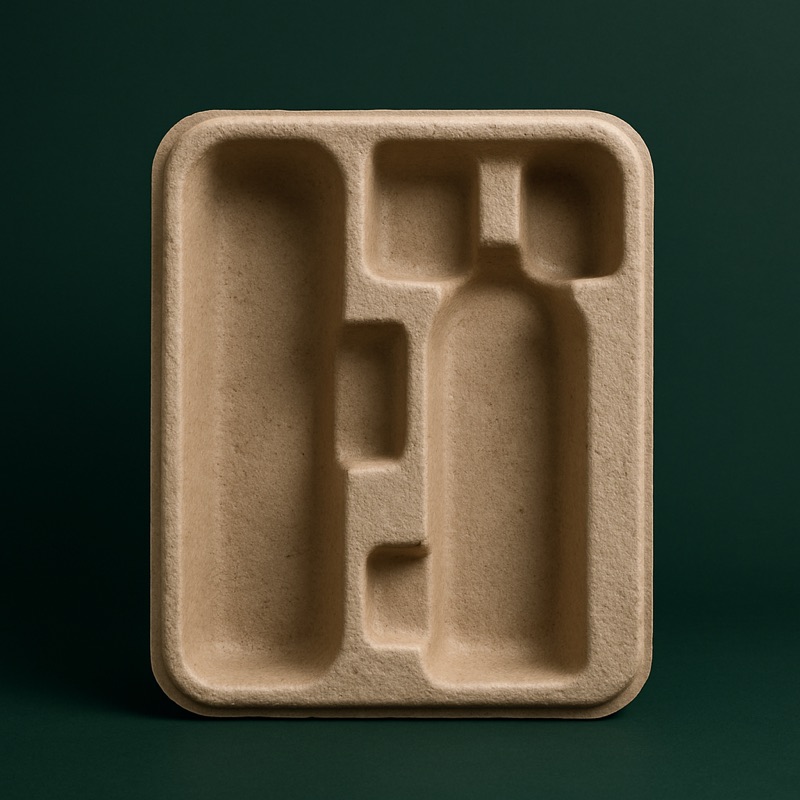
A filled candle is dense and it concentrates its own weight on one corner when a box is dropped. A fitted insert — moulded pulp or die-cut board — is not a nicety here, it is the difference between a delivered candle and a claim.
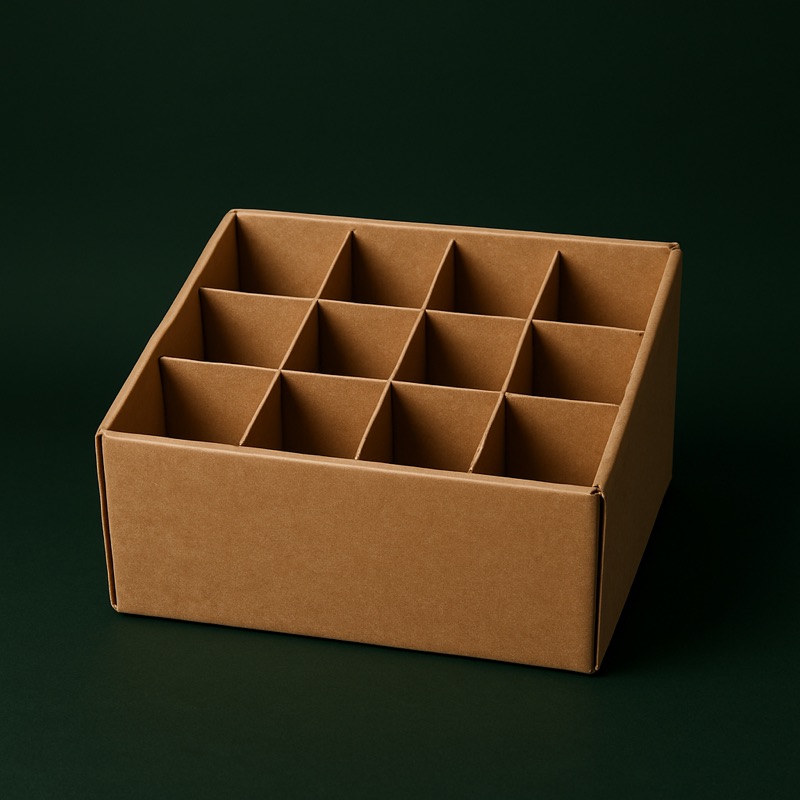
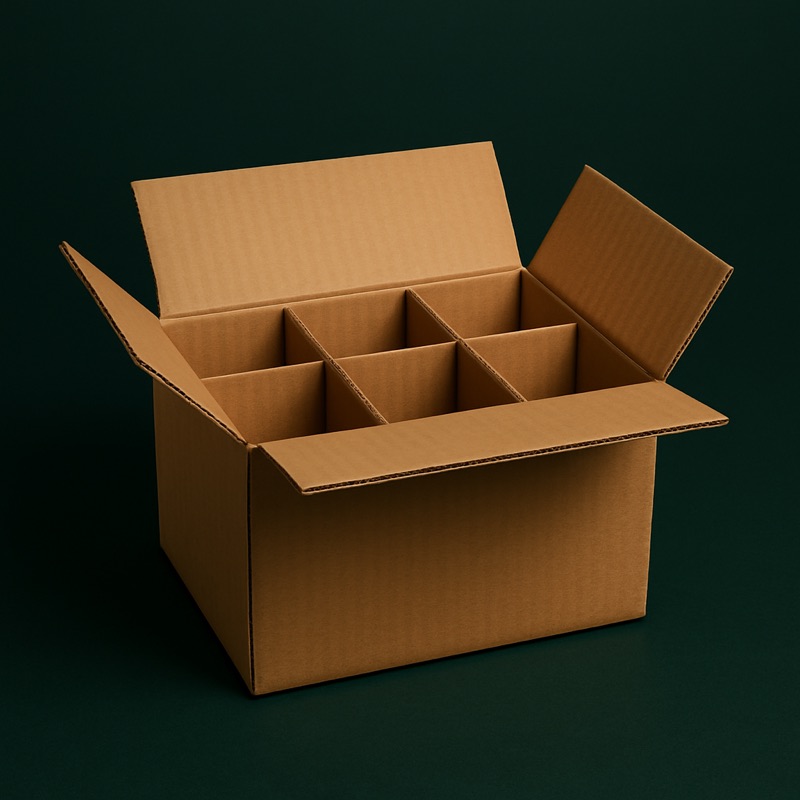
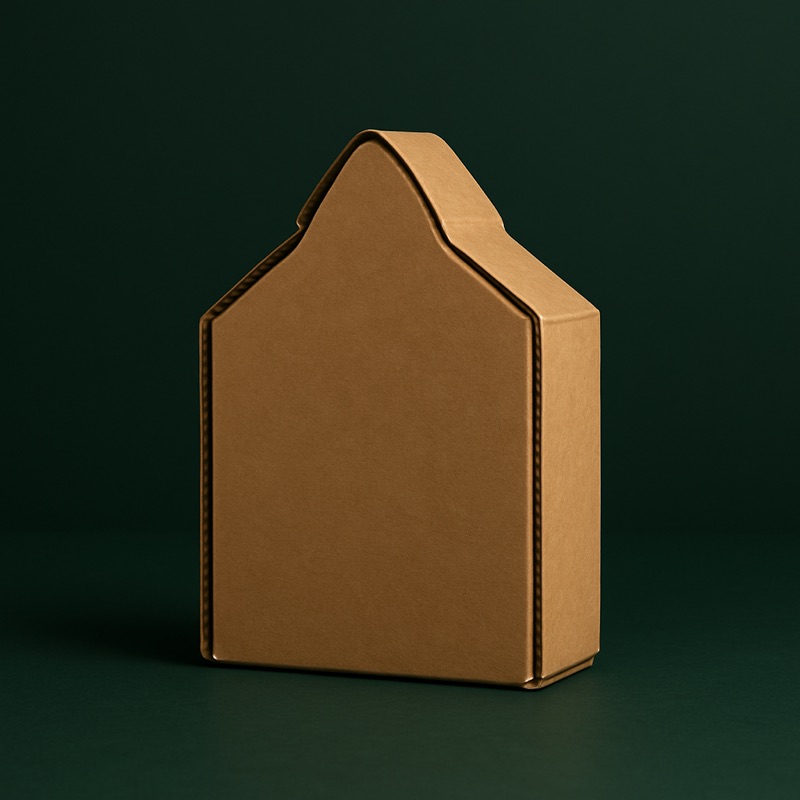
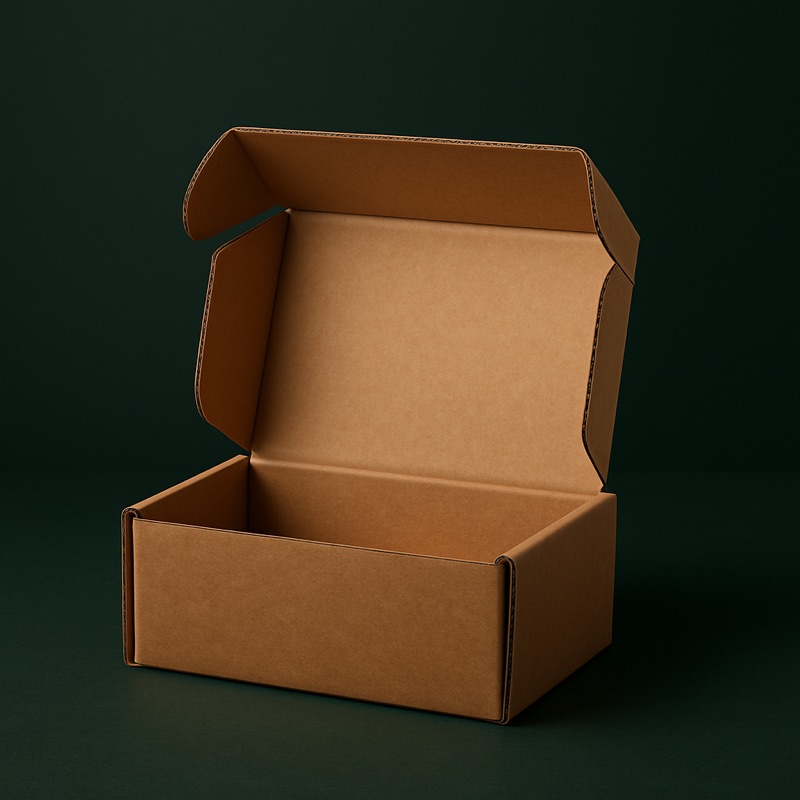
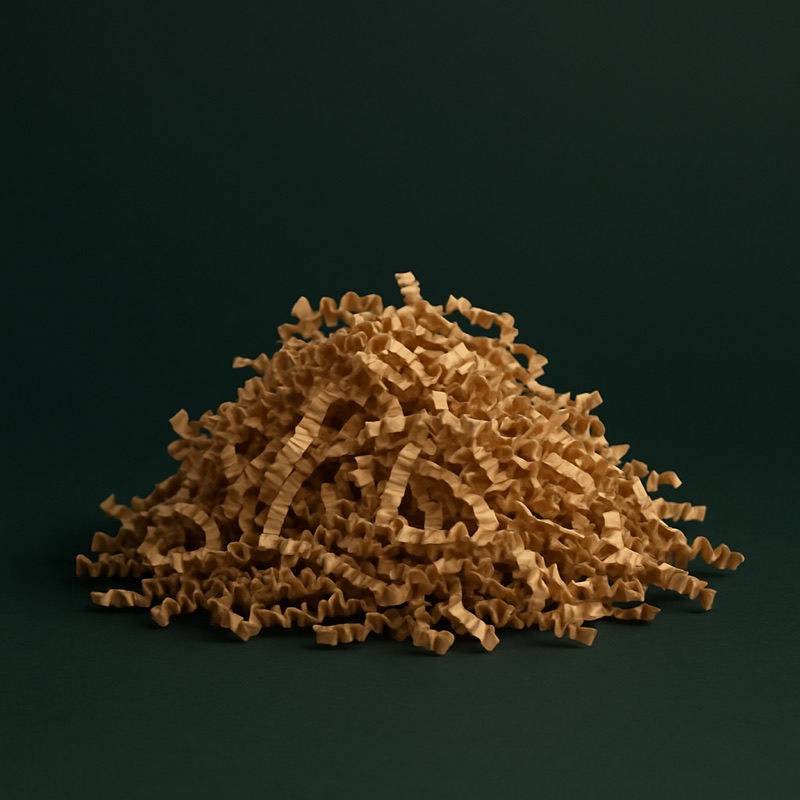
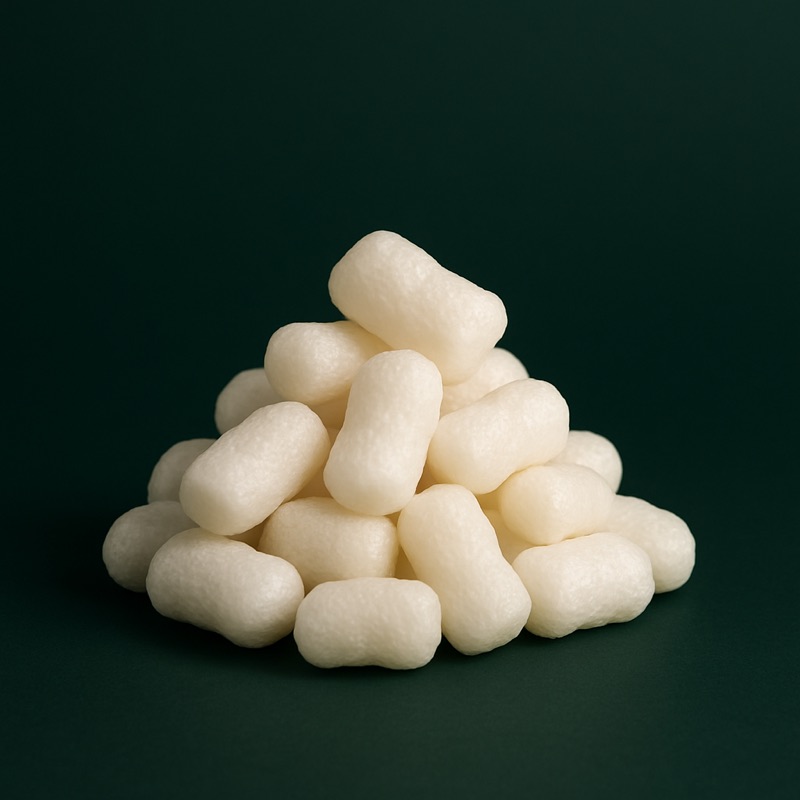
Molded Pulp InsertRecycled paper pulp molded to fit product contoursPartition / Compartment BoxInternal dividers for multi-item packagingCorrugated Partition BoxInternal dividers protect multiple itemsDie-Cut Corrugated BoxAny custom shape die-cut from corrugated boardCorrugated Mailer BoxE-commerce mailer made from corrugated boardKraft Paper Void FillCrinkle-cut or honeycomb kraft paper for cushioningBiodegradable Loose FillStarch-based packing peanuts that dissolve in waterDouble Wall CorrugatedExtra protective two-layer wall for fragile items
Specifying it
How to spec candle packaging.
Start with the filled weight, not the empty jar. A filled candle is dense, and every downstream decision — outer board grade, insert type, case count, even the shipping carton — is driven by that number rather than by the jar's dimensions.
Match the jar mouth to the wick plan. A wide, shallow jar needs multiple wicks to melt evenly to the edge; a narrow, deep one tunnels if the wick is undersized. This is a chandler's decision, but it constrains the vessel, so make it before the glass is ordered.
Decide whether the lid is functional or decorative. A metal continuous-thread cap seals scent in during storage and shipping. A loose-sitting wooden or metal disc looks better and does nothing for scent throw on the shelf.
Then choose the outer by channel. Retail shelf can take a folding carton or no outer at all. Direct-to-consumer needs a rigid box or a corrugated mailer with a fitted insert, because the parcel network will test it.
Pitfalls
What goes wrong.
Labels applied before the jar has fully cooled. Residual heat from the pour softens adhesive and the label lifts or bubbles days later. Label after cooling, and specify an adhesive rated for the surface temperature the jar actually reaches.
Clear glass showing wet spots. Wax pulling away from the glass as it cools is normal and cosmetic, and on clear glass it looks like a defect. Frosted or coloured glass hides it entirely. This is the most common reason a brand switches vessel after its first run.
Under-protecting for parcel shipping. Glass plus wax concentrates its weight on whichever corner hits the ground. Without a fitted insert, breakage rates in a parcel network are high enough to erase the margin on the order.
Scent migrating through the outer. Fragrance oils will pass through an uncoated carton over time, so a mixed-scent case can end up smelling of whichever candle is strongest. A sealed lid and a coated outer both help.
Cost drivers
What moves the price.
The vessel leads. Plain straight-sided glass is the economical end; frosted, coloured and heavy-base jars each cost more, and a heavier jar also raises freight on every unit for the life of the product.
The outer box is usually the bigger decision. A folding carton is a fraction of the cost of a rigid box, and a rigid box is what makes the product read as a gift and survive a parcel network. Which one you need is a channel question, not a taste question.
Protection is the cost people forget to quote. A moulded pulp or die-cut insert adds to the unit price and removes breakage claims, and on a filled glass vessel shipped individually it pays for itself well before it becomes optional.
Volume moves all of it. The jump from 1,000 to 5,000 units is the single largest percentage drop you will see, because the fixed setup is spread across five times the run. Quotes here are all-in — tooling, printing, finishing and packing in one number — and reorders carry no setup fee, so the second run of the same artwork is always cheaper than the first.
Printing & finish
Every printing & finish option.
Every decoration below runs on candle cartons, sleeves, labels and jar decoration. Pantone spot matching is standard, not an upcharge tier, and artwork files stay on record for 24 months so a reorder is a single email.
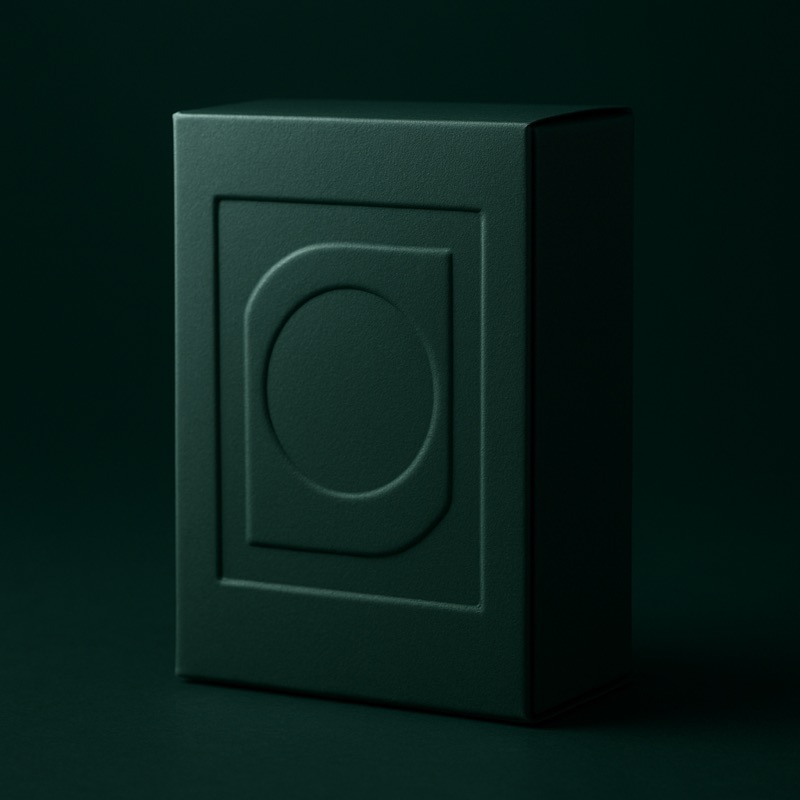
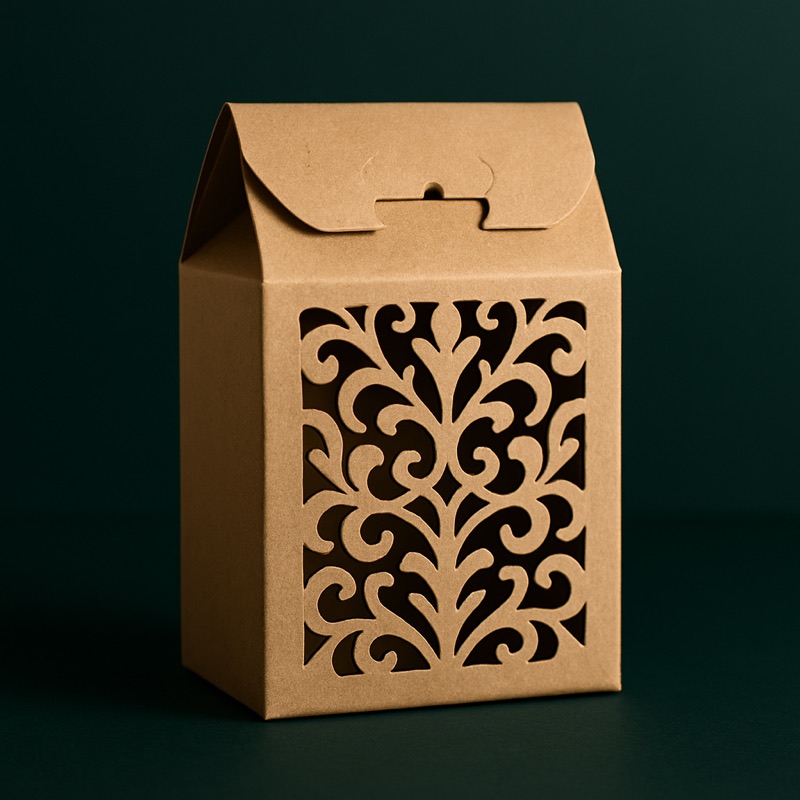
Soft Touch / Velvet LaminationVelvety tactile matte laminate that feels luxuriousMatte LaminationSmooth non-reflective matte film for sophisticated lookGloss LaminationHigh-shine protective gloss film over printSpot UV CoatingGlossy UV resin applied to selected design elementsGold Foil StampingMetallic gold foil pressed into substrate for luxury accentSilver Foil StampingMetallic silver foil stamping for premium highlightsHolographic Foil StampingRainbow-spectrum holographic foil for bold visual impactEmbossingRaised relief design pressed into packaging surfaceDebossingRecessed impression pressed into the packaging substratePantone Spot Color MatchingExact Pantone ink match for precise brand color consistencyDie CuttingCustom shape cut from flat packaging materialTextured Paper / BoardLinen, canvas, or felt-textured substrate for tactile branding
Process
From sample to shelf.
Send the jar dimensions and the filled weight. Filled weight, not empty weight, is what decides the outer board and the insert.
1 · SpecTell us the fillvolume, weight or dimensions — we spec the format
3 · ArtworkDieline & proofin-house design at $75–$150/hr if you need it
4 · ProductionAs few as 5 business daysfor printed pouches and boxes, from artwork approval (up to 15), then delivered to all 50 states in as soon as 4 days with Expedited (up to 12) or 25 days with Standard (up to 35)
FAQ
Questions, answered.
How much does custom candle packaging cost?
Glass jars run about $0.45 to $3.80 depending on size and finish; rigid outer boxes are priced instantly online from 250 boxes. No setup fees on reorders.
What is the minimum order for candle packaging?
Quantities are priced on request. Multiple SKUs can share a production run — useful when you're launching a scent range.
Frosted, clear or amber glass?
Clear shows the wax and any colour in it. Frosted diffuses the glow and hides wax pulling away from the glass. Amber reads apothecary and is the most forgiving of pour imperfections.
Do I need a rigid box or is a folding carton enough?
A folding carton is fine on a shelf. If the candle ships in a parcel network, a rigid box with a fitted insert is what stops glass arriving broken.
Can you supply the jar and the box together?
Yes — vessel, closure, label and outer as one quote and one delivery, rather than three vendors and three lead times.
What about labels for curved jars?
Pressure-sensitive labels for straight-sided jars; a shrink sleeve where the jar tapers and a flat label would wrinkle.
Why does wax pull away from clear glass?
It's normal cooling shrinkage and purely cosmetic, but on clear glass it looks like a defect. Frosted or coloured glass hides it entirely — it's the most common reason brands switch vessel after a first run.
When should I label a filled candle?
After it has fully cooled. Residual pour heat softens adhesive and the label lifts or bubbles days later.
Does the lid affect scent?
A sealing metal continuous-thread cap holds scent during storage and shipping. A loose decorative disc looks good and does nothing for scent retention.
What case protection do I need for shipping?
A fitted insert — moulded pulp or die-cut board. Filled glass concentrates its weight on one corner in a drop, and breakage without an insert will erase the margin on the order.