Home / Products / Custom Sauce & Condiment Packaging
Food & beverage
Custom sauce & condiment packaging.
Sauce packaging has to survive a hot fill, a cold chain, a dozen fridge-door slams and a customer who will absolutely leave it on its side. TWO Packaging supplies glass sauce jars, Boston round and Euro bottles, PET and HDPE, and spouted or fitment pouches — with induction seals and tamper bands — custom pouches from 500 bags per design; labels and boxes from 100 and mailers from 500 (one-color logo; full color from 5,000) are priced instantly online; other formats priced on request.
PricingQuoted all-inglass jars from $0.45; pouches from $0.05
Minimum order500 bags on pouchesper design; labels & boxes from 100, mailers from 500 (one-color logo; full color from 5,000), all online; other formats on request
Non-negotiableTamper evidenceinduction seal or band on anything edible
ProductionAs few as 5 daysbusiness days for printed pouches and boxes, from artwork approval (up to 15), then delivery in as soon as 4 days Expedited or 25 days Standard
Custom Sauce & Condiment Packaging
Rigid formats.
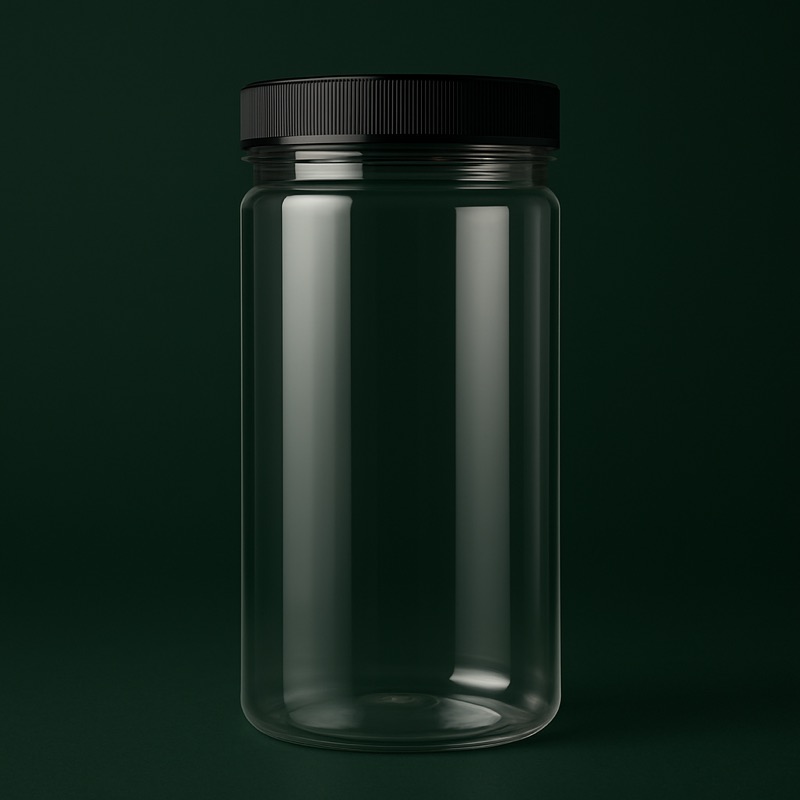
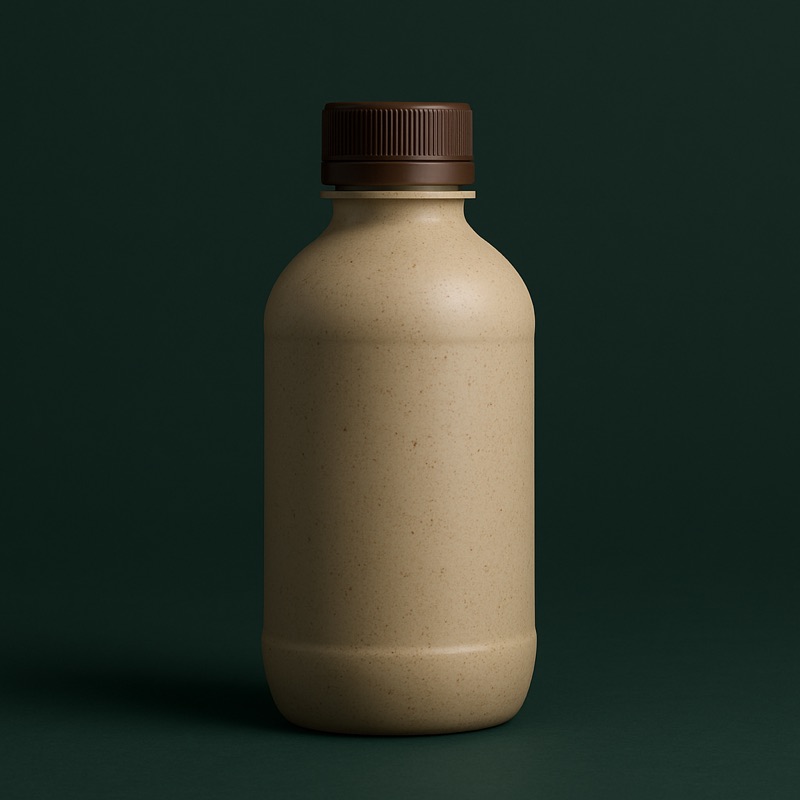
Glass still signals quality in this category and takes a hot fill without deforming. PET drops weight and breakage for anything shipping direct to consumers; HDPE handles squeeze formats and opaque contents. Wide-mouth jars are for anything chunky enough that a spoon has to get in.
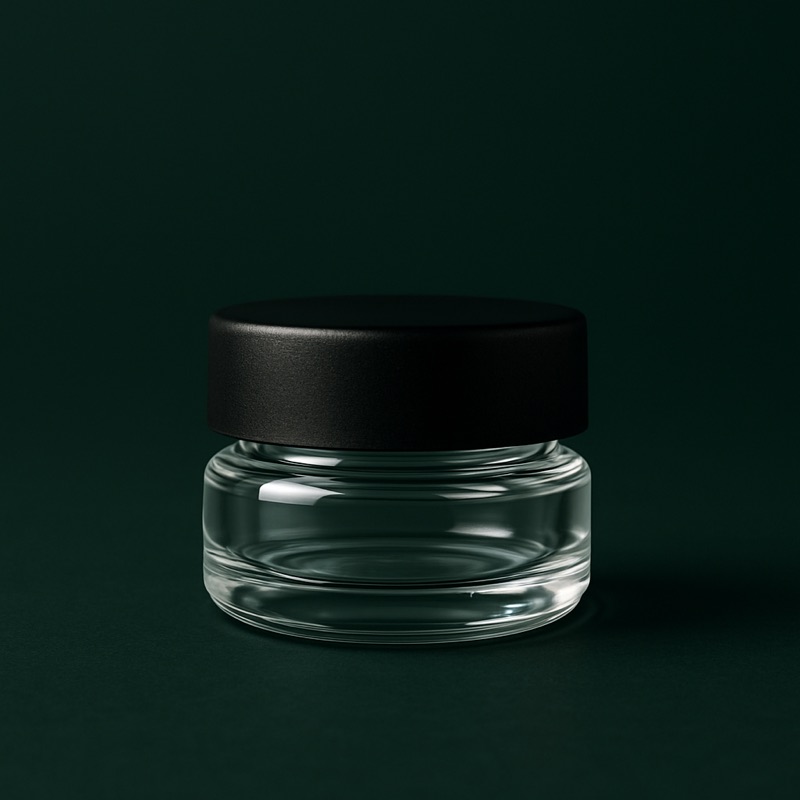
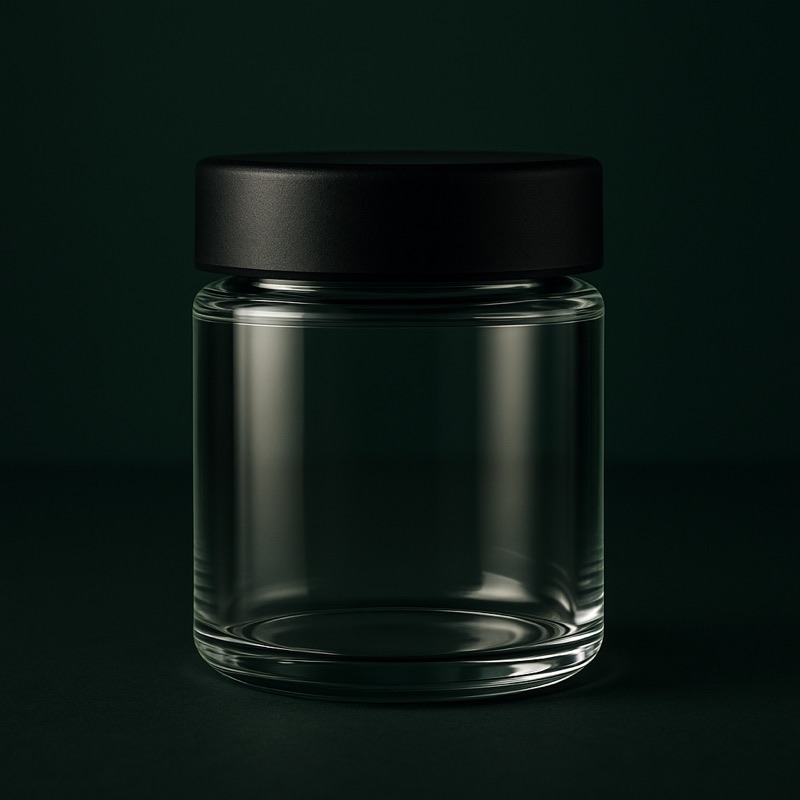
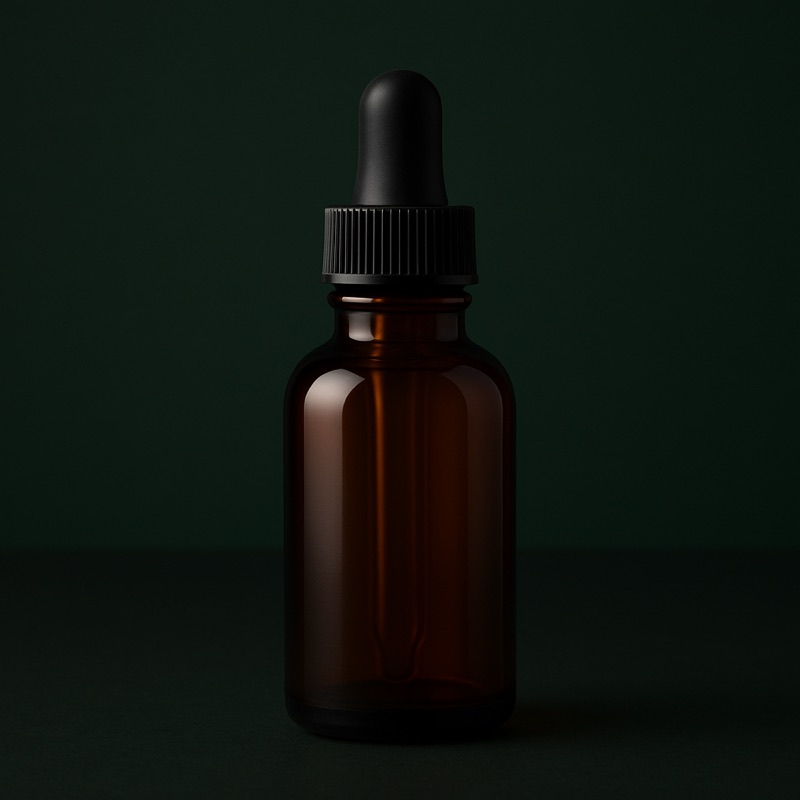
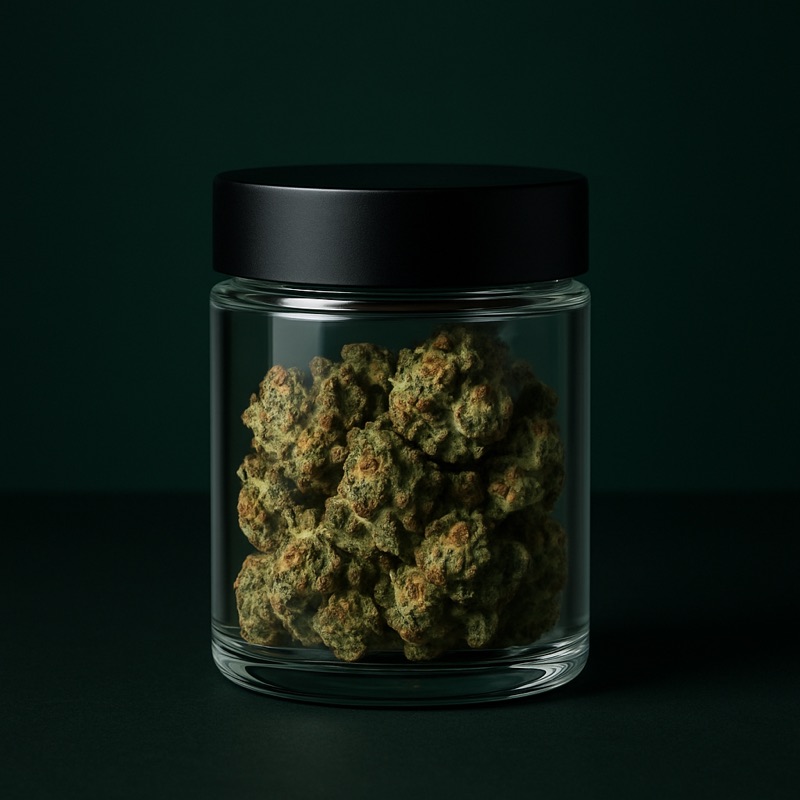
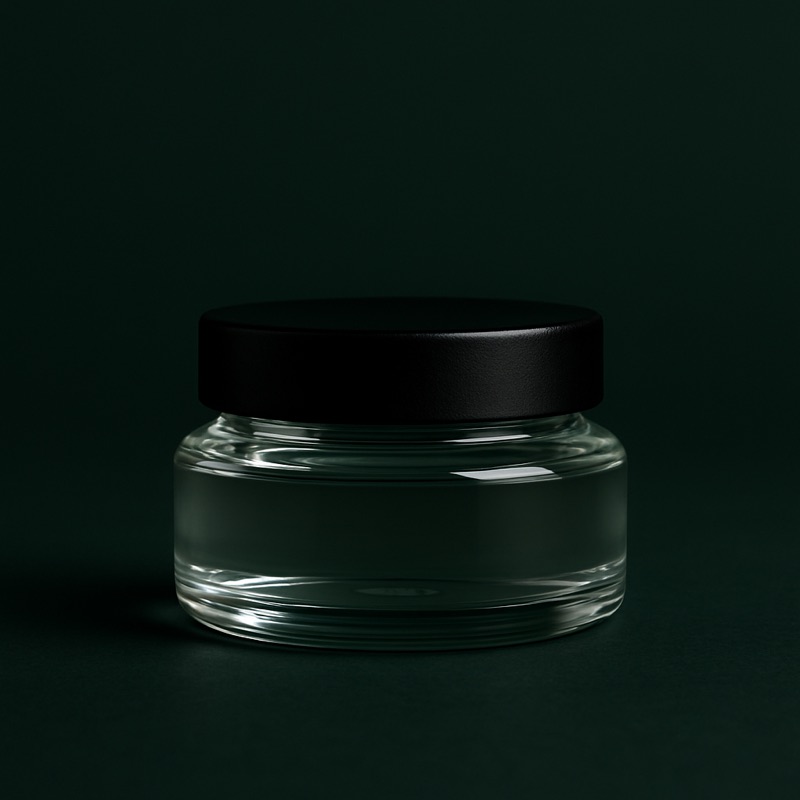
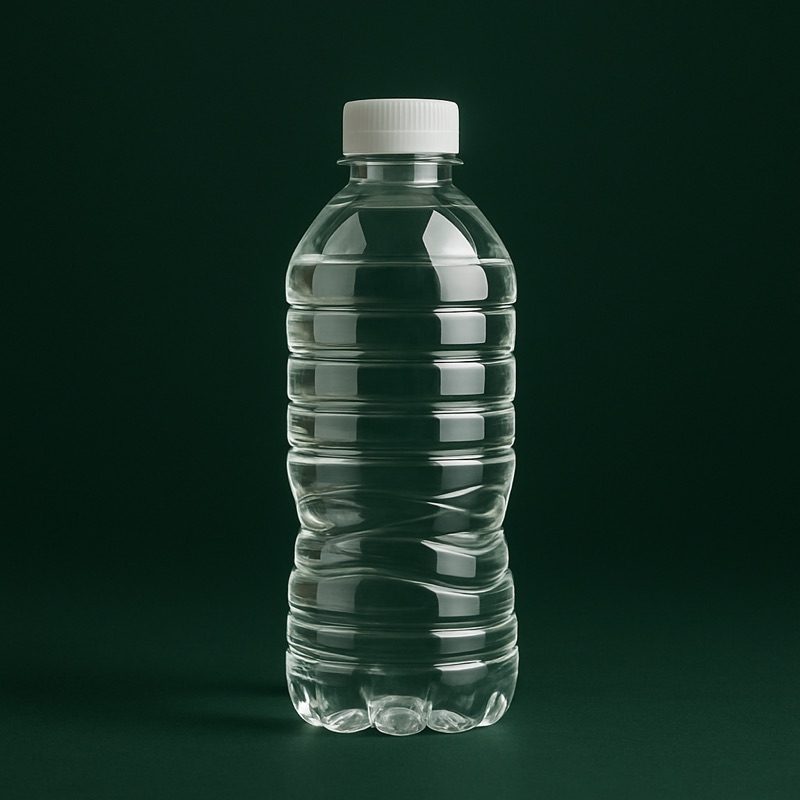
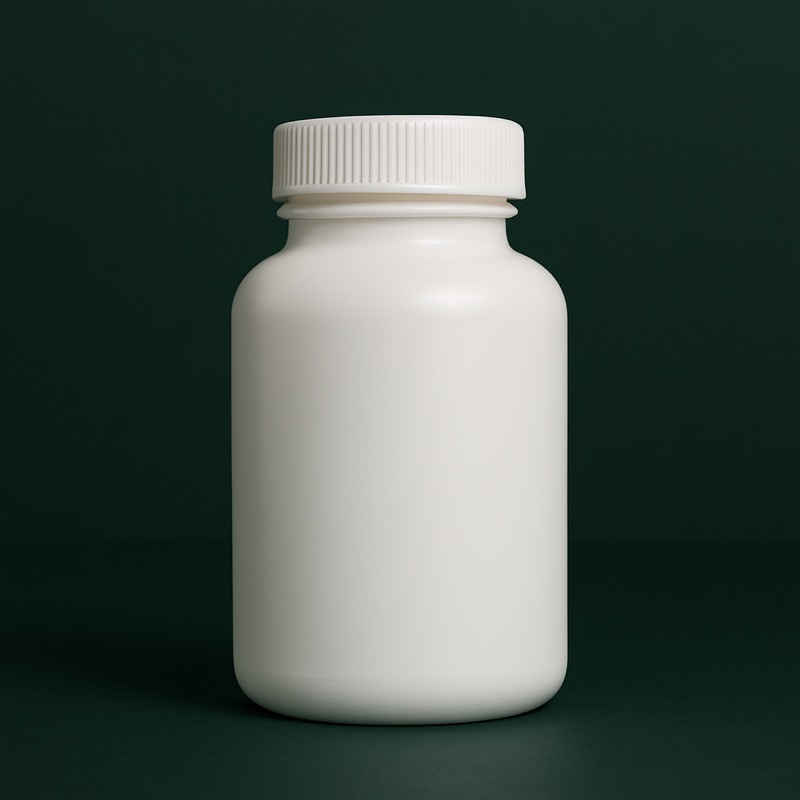
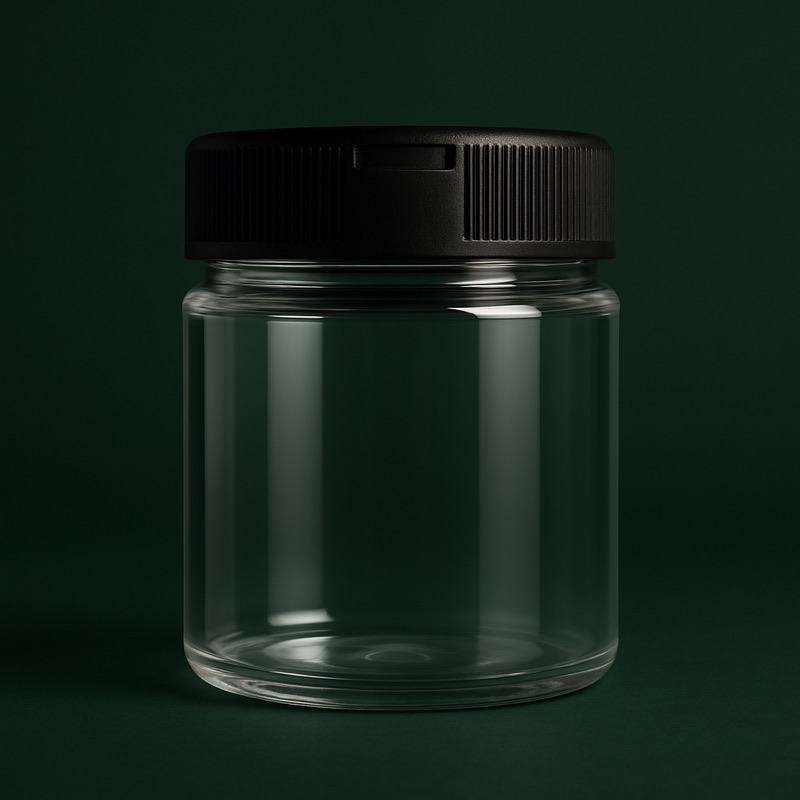
Glass Sauce JarCompact low-profile jar for sauces, spreads and condimentsWide Mouth Glass JarWide-mouth jar for creams, balms, salves and dry goodsBoston Round BottleClassic round glass bottle for tinctures and liquidsEuro / Flint Glass BottleEuropean pharmacy-style bottle in clear or amberStraight-Sided Glass JarClean straight walls, easy to label edge to edgeStubby / Shorty Glass JarLow-profile squat glass jar for balms, candles and cosmeticsPET Plastic BottleLightweight clear bottle for beverages and supplementsHDPE Plastic BottleDurable opaque bottle for supplements, powders, and cleaningAmber PET BottleUV-resistant amber plastic bottle for supplements and oilsWide-Mouth Plastic JarEasy-access wide-mouth jar for powders, granules and bulk fillsClear PET Cylinder JarTall cylindrical clear container for snacks and gummiesPCR Plastic BottlePost-consumer recycled plastic bottle for eco brands
Pouches
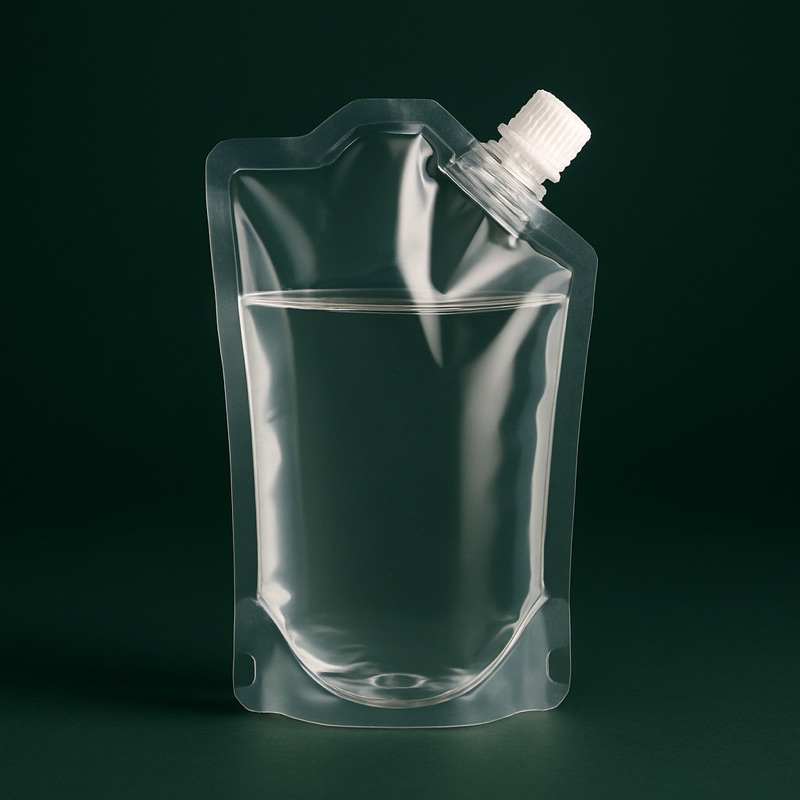
When a spout beats a bottle.
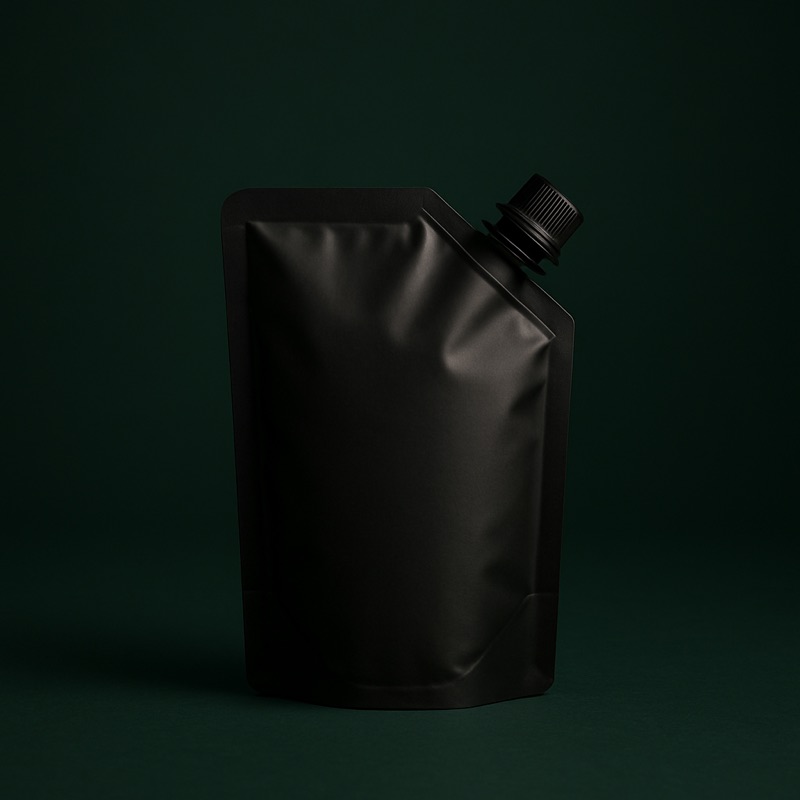
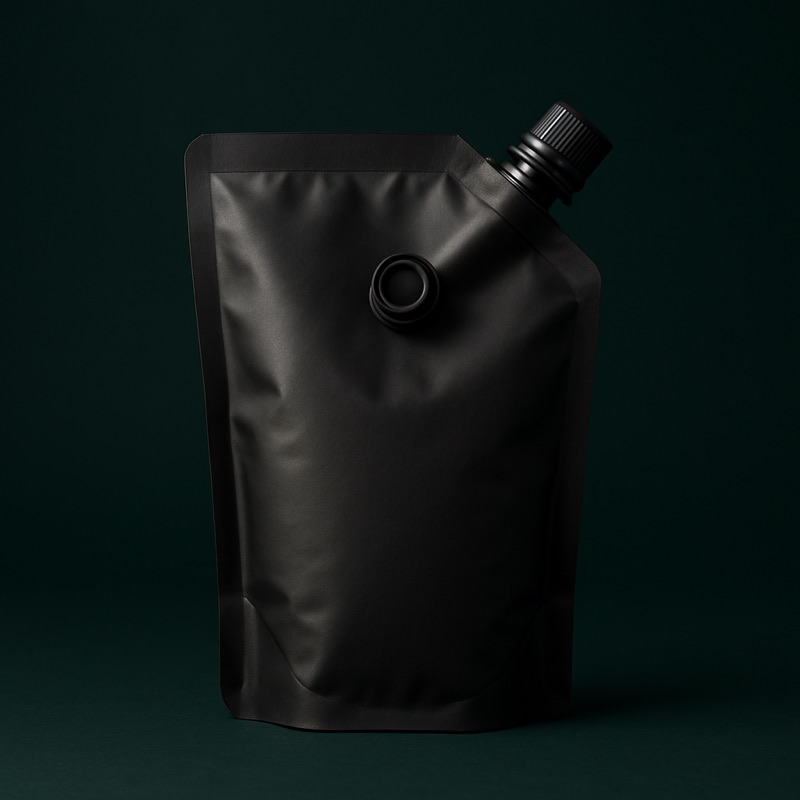
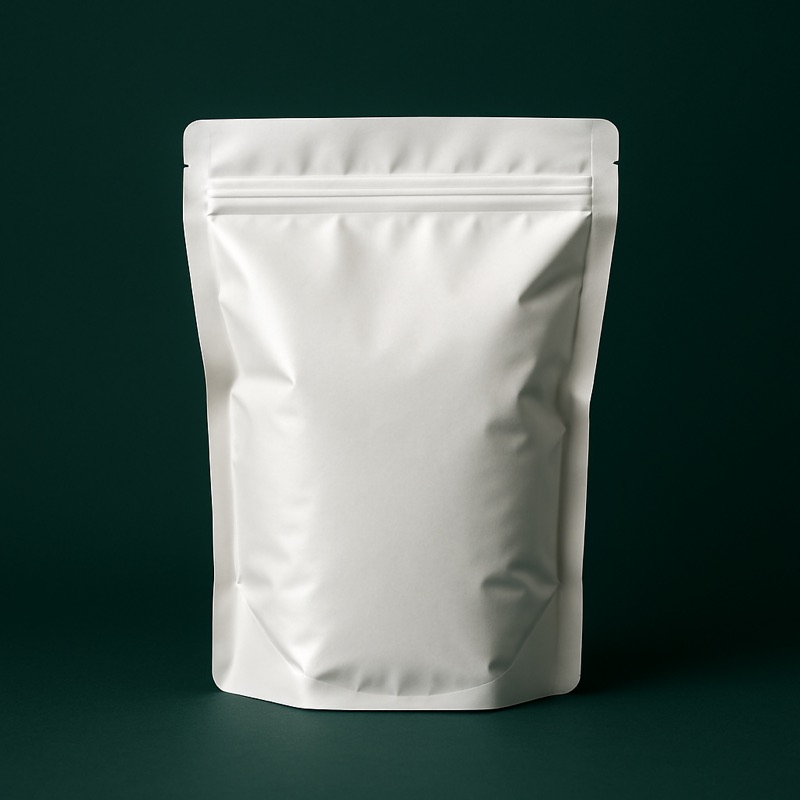
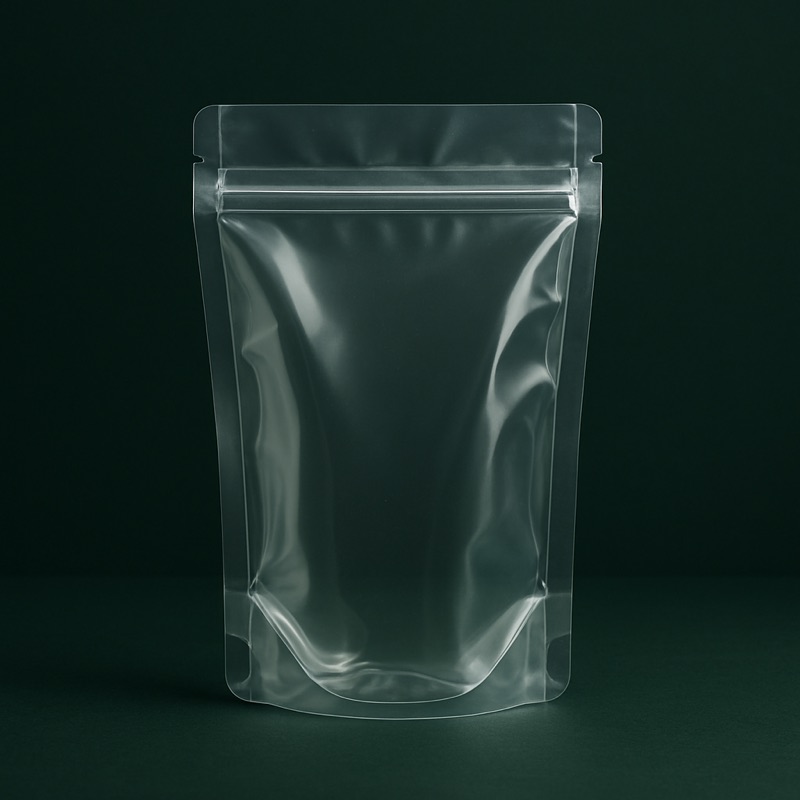
A spouted pouch ships at a fraction of the weight of glass, uses far less material, and empties more completely than a rigid bottle. It loses the shelf presence of glass, which is why plenty of brands run glass at retail and pouches for refills and food-service.
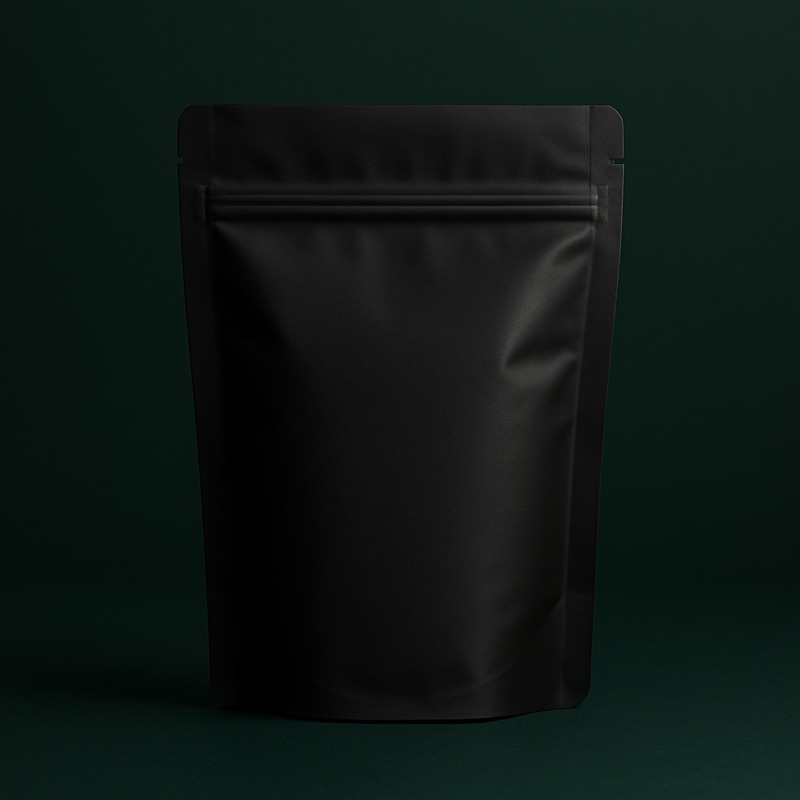
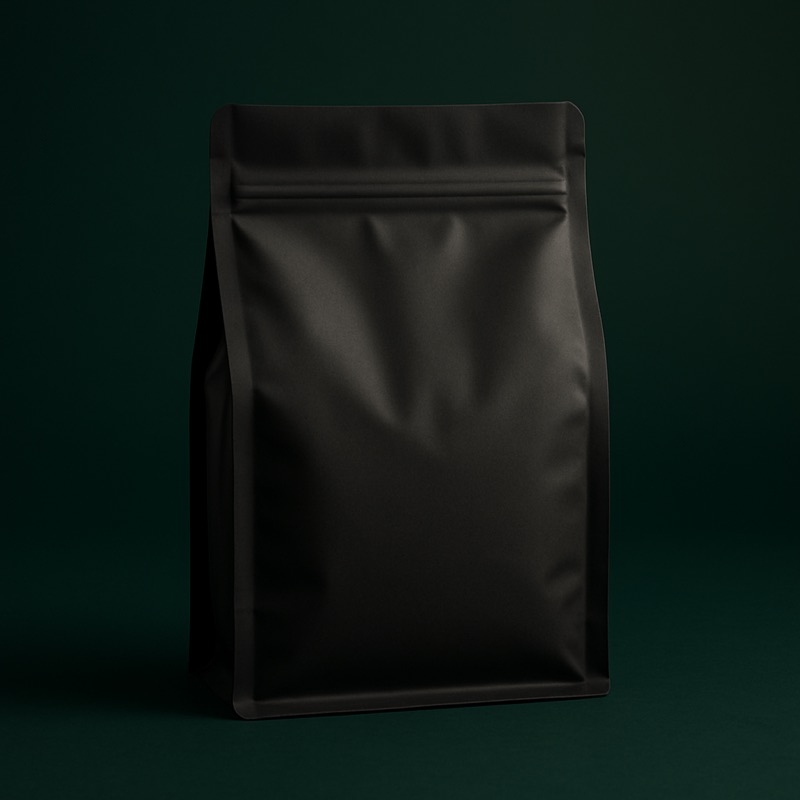
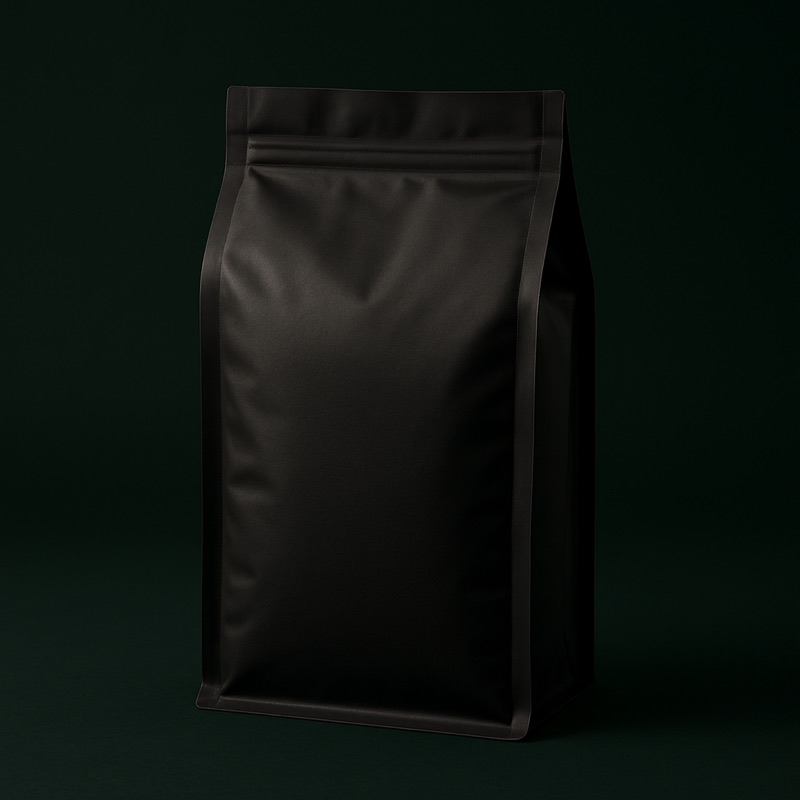
Spout PouchThreaded spout for liquid or viscous productsFitment PouchEmbedded fitment/valve for controlled dispensingLiquid Spouted PouchSpout-top for beverages and liquid productsStand-Up Pouch (SUP)Self-standing pouch for retail shelf presenceFlat Bottom Pouch (Box Pouch)Squared bottom for maximum stabilityQuad Seal PouchFour-panel design for bulky products like coffee or pet foodPowder / Granule PouchWide-mouth design for loose fill productsRecyclable Mono-Material PouchSingle-material for recycling stream
Closures & seals
Tamper evidence is the whole ballgame.
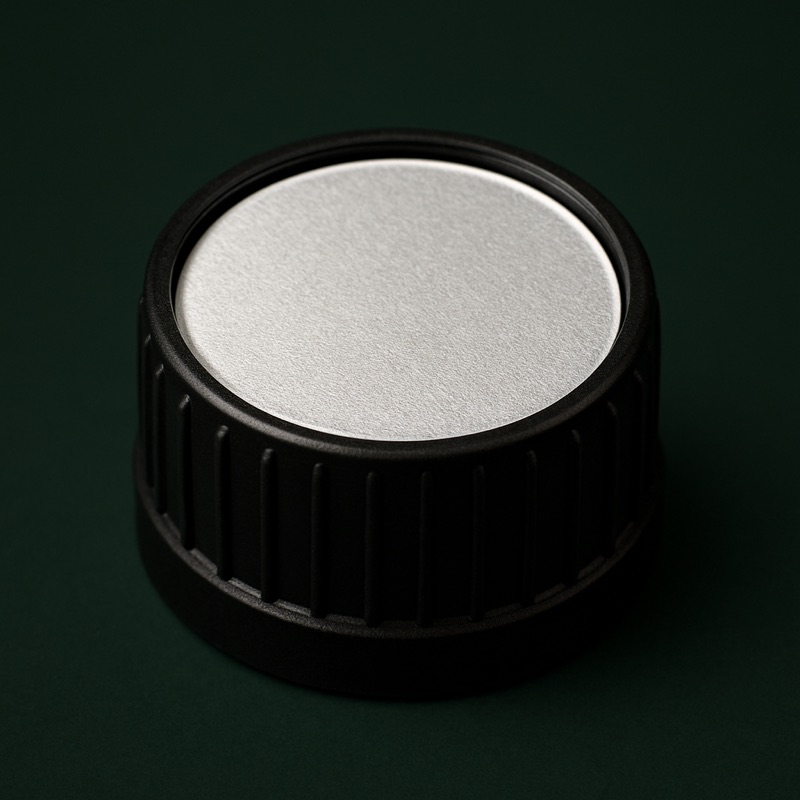
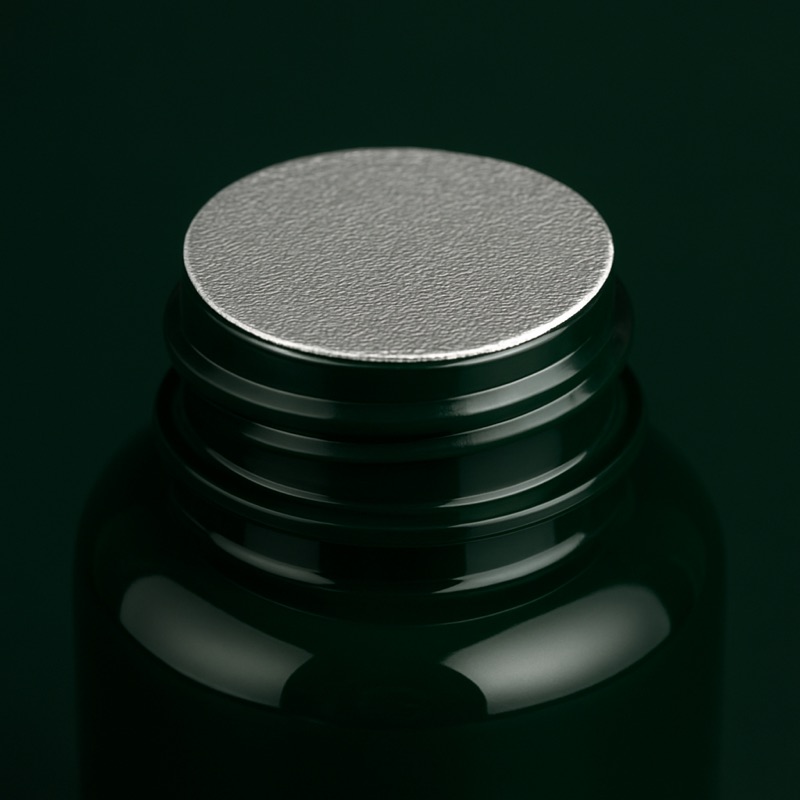
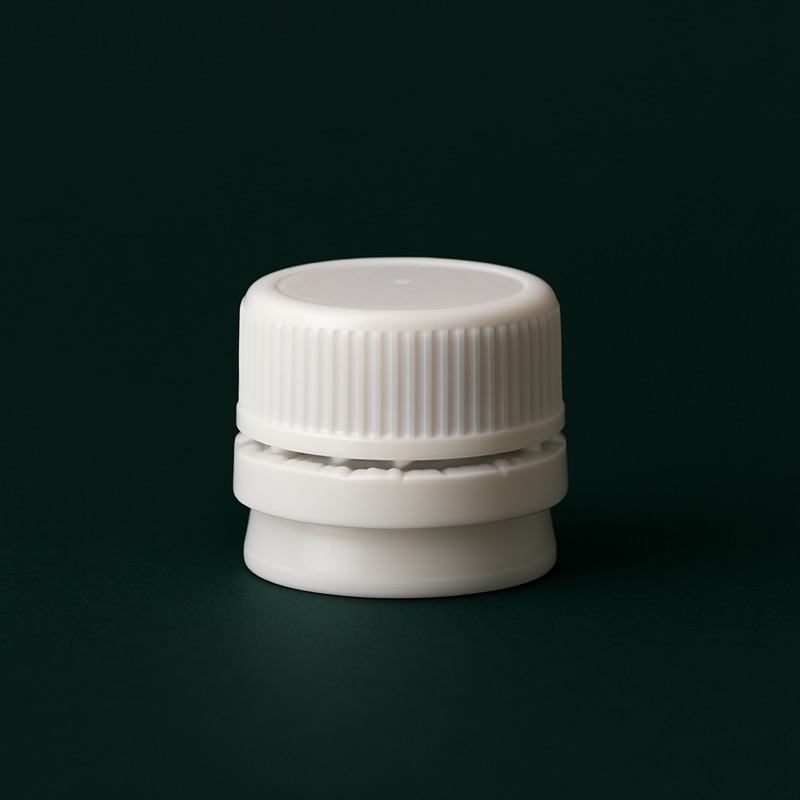
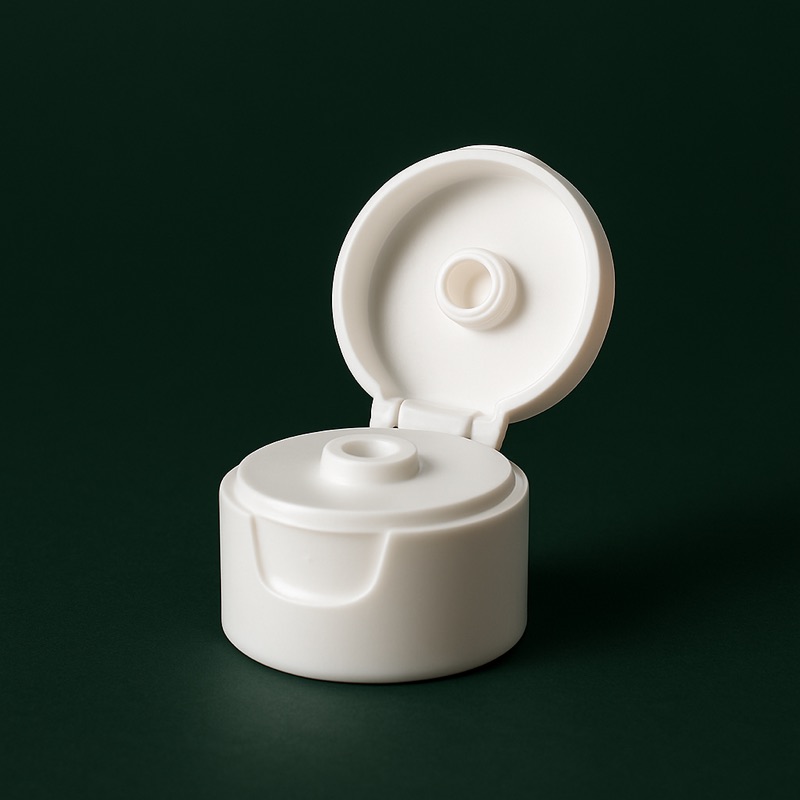
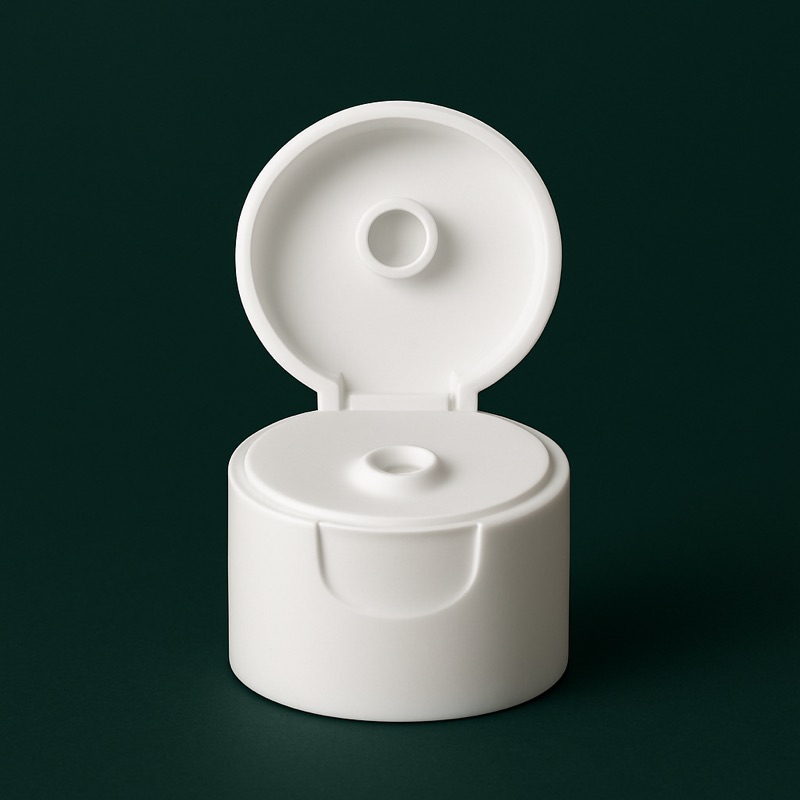
Anything edible needs a visible first-open indicator. An induction foil liner seals to the land of the container and tears on opening; a breakable band does the same job at the cap. Flip-tops and disc-tops control pour rate — a thin vinaigrette and a thick barbecue sauce want different orifices.
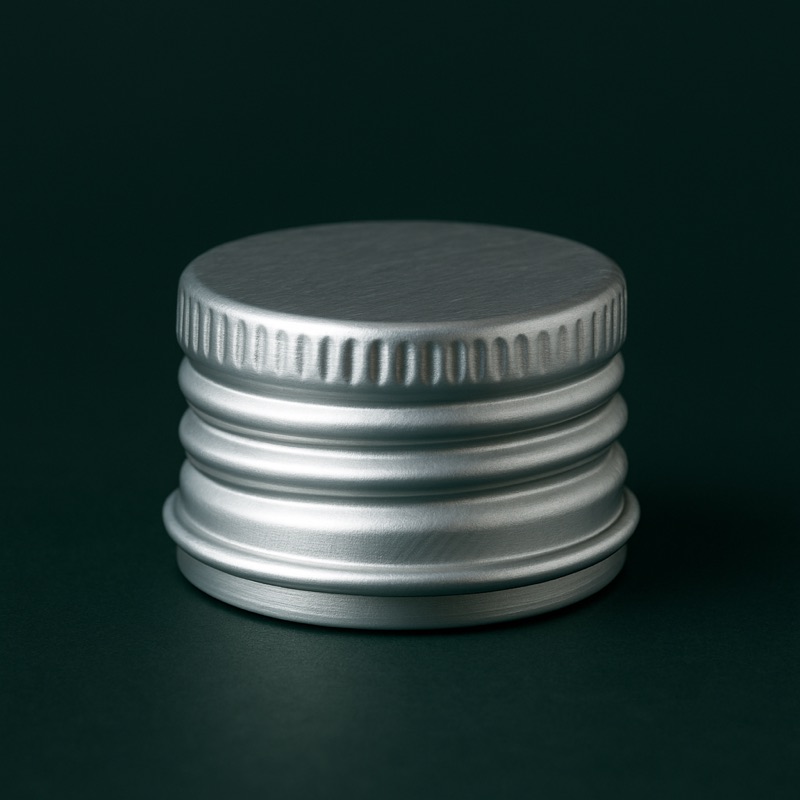
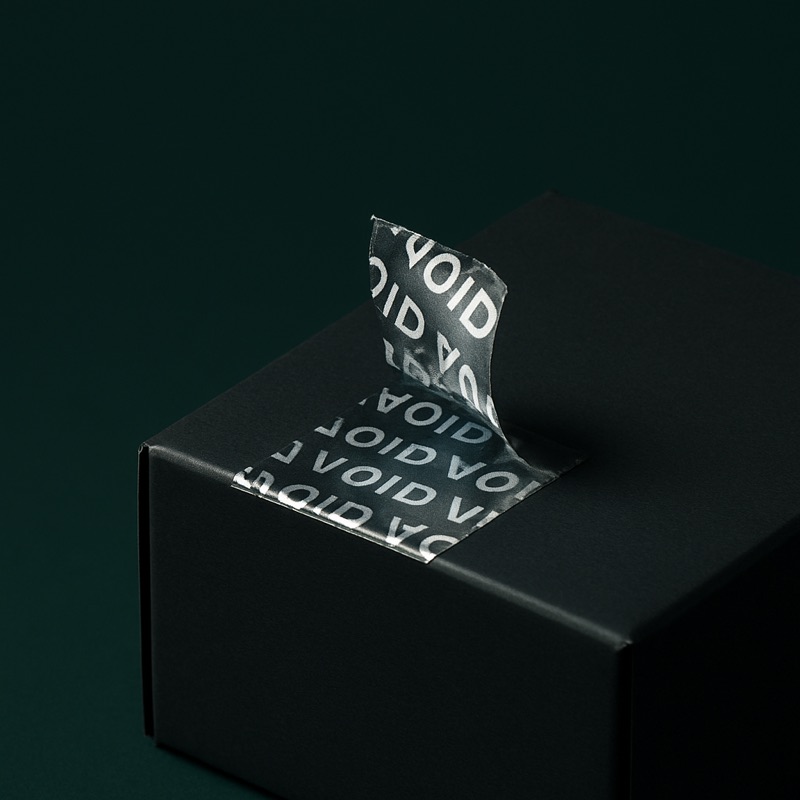
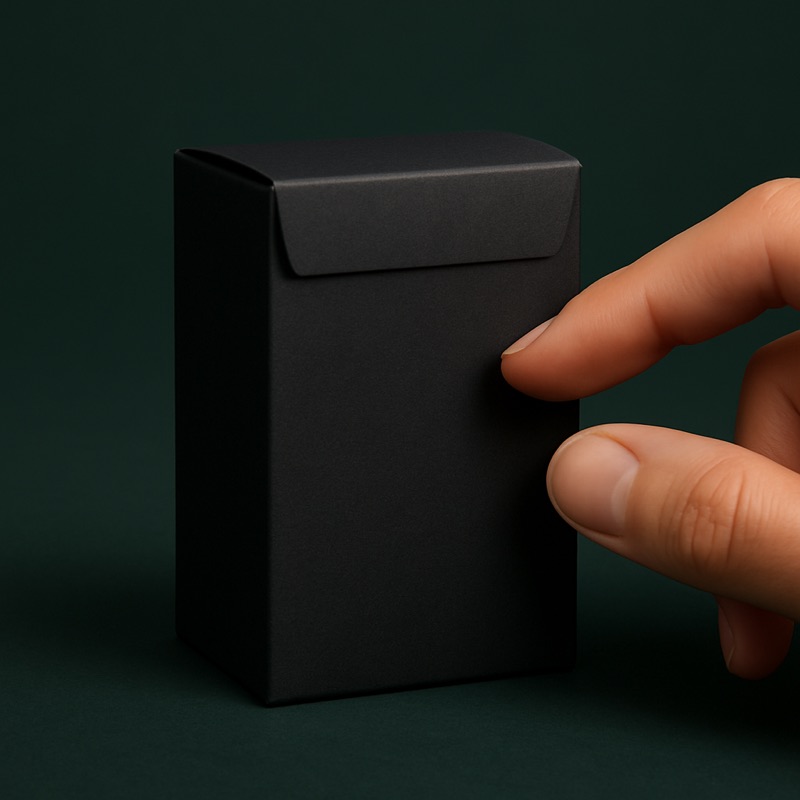
Induction Seal Liner CapHeat-induction foil liner beneath cap for tamper evidenceInduction Seal (Foil Liner)Heat-bonded foil liner inside cap fuses to container rimBreakable Cap BandTear-away cap band that snaps on first twist openTear-Off Tab LidPerforated pull-tab shows if packaging has been openedShrink Sleeve BandFull-body or neck shrink sleeve that breaks on first openFlip-Top Snap CapHinged snap-open cap for squeeze bottles and tubesDisc Top CapPress-open flip cap for easy one-hand dispensingMetal Continuous Thread CapAluminum screw cap for premium glass bottlesTamper-Evident Void LabelLeaves permanent VOID pattern if removedPaper Band SealGlued paper band around box opening shows first-open status
Specifying it
How to spec sauce packaging.
The first question is the fill temperature. A hot fill — anything going into the container above roughly 180°F — rules out several resins immediately and changes the closure and liner specification. Cold fill and retort are different problems again. Tell us which before anything else.
The second is viscosity, because it decides the orifice and often the container. A thin vinaigrette pours from a narrow neck; a thick barbecue sauce needs a wider mouth or a squeeze format or it will not leave the bottle. A chunky salsa needs a wide mouth and a spoon.
Then acidity and oil content, which govern liner compatibility. A liner that is fine with a neutral sauce can fail against a high-acid one, and a failed liner means a failed seal.
Finally decide the tamper-evidence route: induction foil sealed to the container land, a breakable band at the cap, or a shrink band over the whole closure. On anything edible this is a requirement rather than a feature, and it is cheaper to design in than to add later.
Pitfalls
What goes wrong.
Headspace and hot fill. Hot product cools and contracts, pulling a vacuum. Too little headspace and the container panels; too much and you have oxygen sitting on the product. This is a calculation, not a guess.
Labels that fail in the fridge. A label adhesive specified for ambient conditions will lift at the edges in a cold, humid fridge door. Specify a wet-strength facestock and a cold-applicable adhesive if the product lives refrigerated.
Glass shipped direct-to-consumer without protection. Glass survives retail distribution on a pallet. A single bottle in a parcel network is a different test entirely and needs a fitted insert or a moulded pulp cradle.
Skipping compatibility testing on a new formula. Reformulating an existing product and keeping the same packaging is where most seal failures come from. A change in acidity or oil content is a packaging change whether or not it looks like one.
Cost drivers
What moves the price.
Container material dominates. Glass costs more per unit and much more to ship and protect than PET or a pouch. For a retail-shelf product that premium usually buys real brand equity; for direct-to-consumer it buys breakage claims.
The closure and seal system is a genuine line item rather than a rounding error. An induction liner plus a compatible cap plus a tamper band is three components, and on an edible product all three are doing necessary work.
Format is where the biggest savings sit. A spouted pouch can undercut a glass bottle several times over on combined unit and freight cost. It gives up shelf presence, which is exactly why many brands run glass at retail and pouches for refills and food-service.
Volume moves all of it. The jump from 1,000 to 5,000 units is the single largest percentage drop you will see, because the fixed setup is spread across five times the run. Quotes here are all-in — tooling, printing, finishing and packing in one number — and reorders carry no setup fee, so the second run of the same artwork is always cheaper than the first.
Printing & finish
Every printing & finish option.
Every decoration below runs on labels, shrink sleeves and outer cartons. Pantone spot matching is standard, not an upcharge tier, and artwork files stay on record for 24 months so a reorder is a single email.
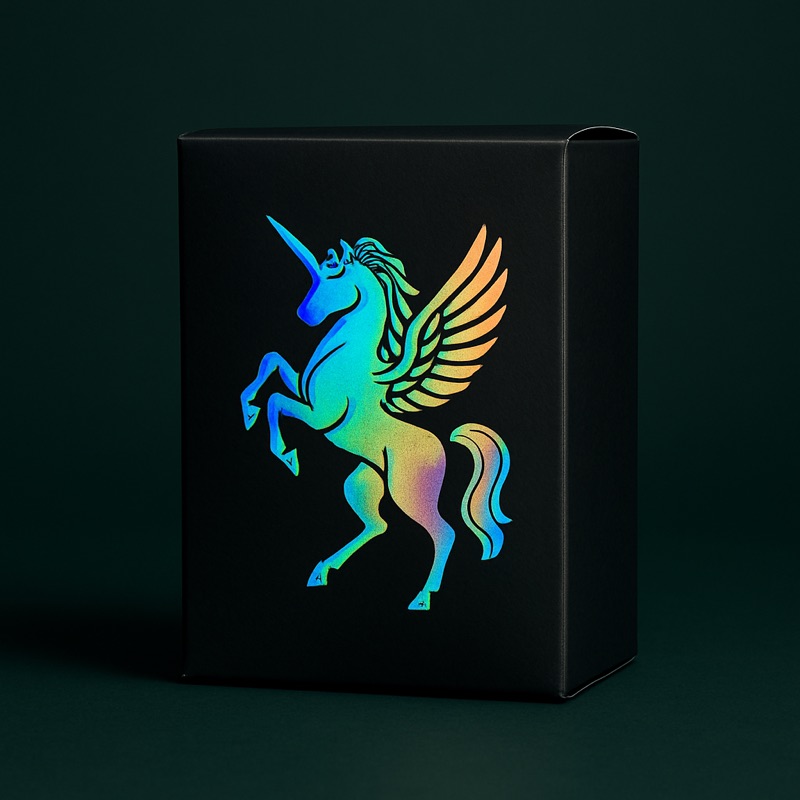
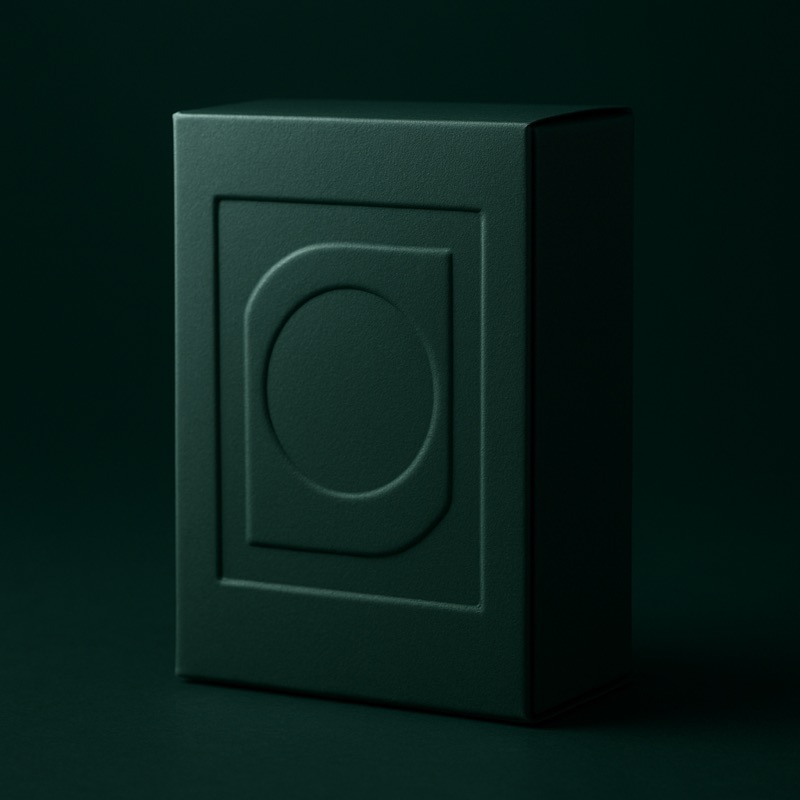
Soft Touch / Velvet LaminationVelvety tactile matte laminate that feels luxuriousMatte LaminationSmooth non-reflective matte film for sophisticated lookGloss LaminationHigh-shine protective gloss film over printSpot UV CoatingGlossy UV resin applied to selected design elementsGold Foil StampingMetallic gold foil pressed into substrate for luxury accentSilver Foil StampingMetallic silver foil stamping for premium highlightsHolographic Foil StampingRainbow-spectrum holographic foil for bold visual impactEmbossingRaised relief design pressed into packaging surfaceDebossingRecessed impression pressed into the packaging substratePantone Spot Color MatchingExact Pantone ink match for precise brand color consistencyDie CuttingCustom shape cut from flat packaging materialTextured Paper / BoardLinen, canvas, or felt-textured substrate for tactile branding
Process
From sample to shelf.
Send the fill volume, the viscosity, and whether it is hot-filled. Hot fill rules out several resins outright, so it changes the answer before anything else does.
1 · SpecTell us the fillvolume, weight or dimensions — we spec the format
3 · ArtworkDieline & proofin-house design at $75–$150/hr if you need it
4 · ProductionAs few as 5 business daysfor printed pouches and boxes, from artwork approval (up to 15), then delivered to all 50 states in as soon as 4 days with Expedited (up to 12) or 25 days with Standard (up to 35)
FAQ
Questions, answered.
How much does custom sauce packaging cost?
It depends on the format: glass jars start around $0.45 and pouches around $0.05. Quotes are all-in, with no setup fees on reorders.
What is the minimum order?
Custom pouches start at 500 bags per design, labels and boxes at 100 and mailers at 500 with a one-color logo (5,000 in full color), all priced instantly and ordered online. Other formats are priced on request, and multiple SKUs can share a production run.
Glass or plastic for hot-fill sauce?
Glass takes a hot fill without deforming and is the default for retail. PET is lighter and does not break in transit, which matters for direct-to-consumer. Tell us the fill temperature and we'll rule out what won't hold.
Do you supply induction seals?
Yes — induction foil liners and liner caps, plus breakable bands, tear-off tabs and shrink bands. On anything edible we'd treat tamper evidence as required, not optional.
Can I run a spouted pouch instead of a bottle?
Yes. Pouches ship lighter, use less material and empty more completely. They give up shelf presence, so many brands run glass at retail and pouches for refills and food-service.
Are wide-mouth jars available for chunky sauces?
Yes — wide-mouth glass and plastic jars, so a spoon actually fits.
What do you need to know before quoting?
Fill temperature first — hot fill rules out several resins outright. Then viscosity, acidity and oil content, which decide the orifice, the closure and the liner.
How much headspace does a hot fill need?
Enough to absorb the vacuum as the product cools without panelling the container. It's a calculation from fill temperature and volume, not a rule of thumb.
Will my labels survive a fridge door?
Only if specified for it. An ambient-rated adhesive lifts at the edges in cold, humid conditions — refrigerated products need a wet-strength facestock and a cold-applicable adhesive.
I'm reformulating but keeping the same bottle. Is that safe?
Not automatically. A change in acidity or oil content is a packaging change whether it looks like one or not, and it's where most seal failures come from. Re-check compatibility.