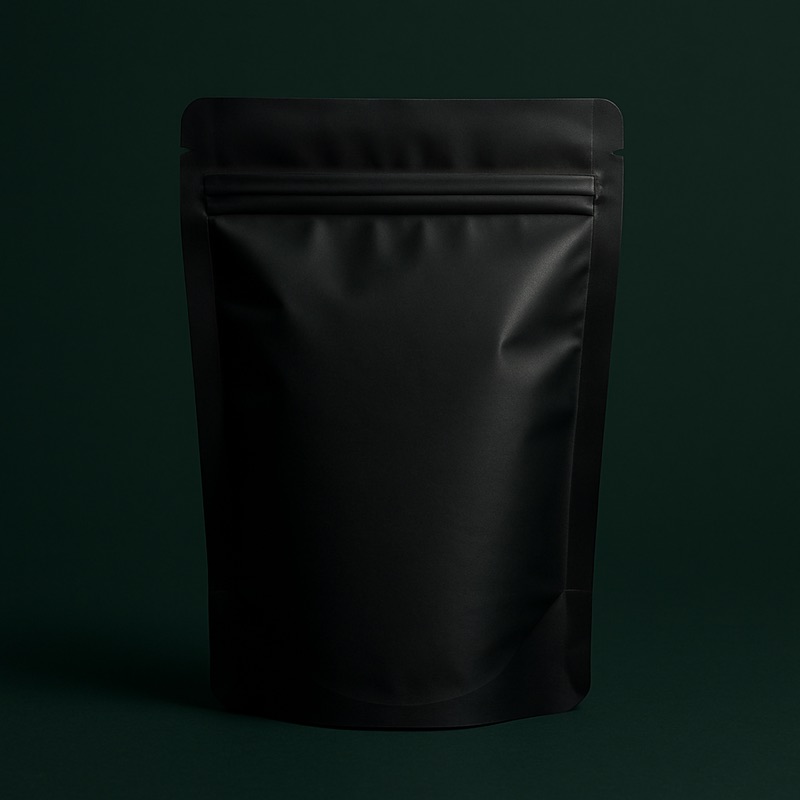
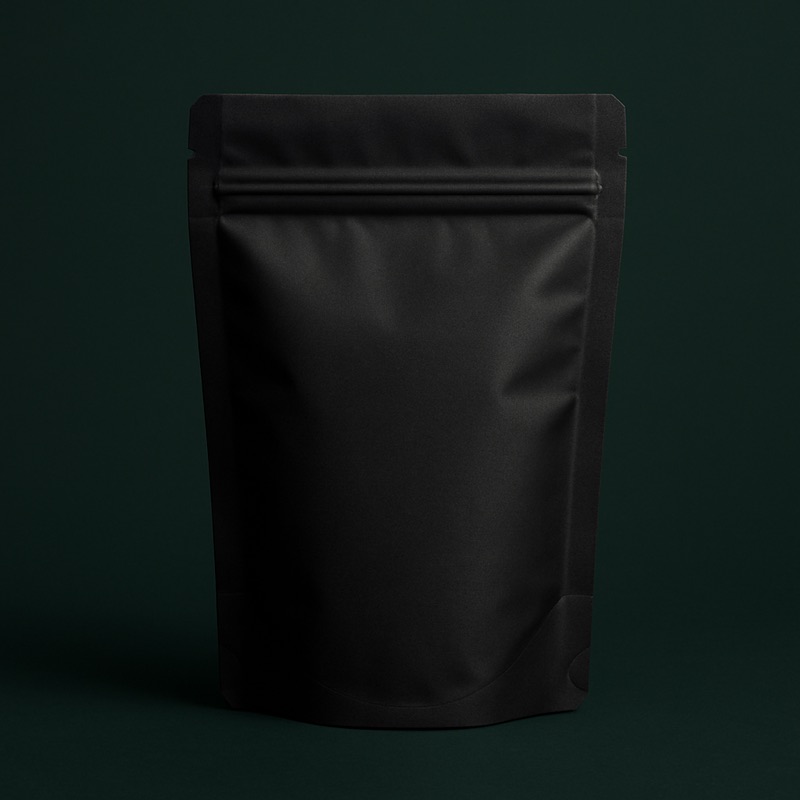
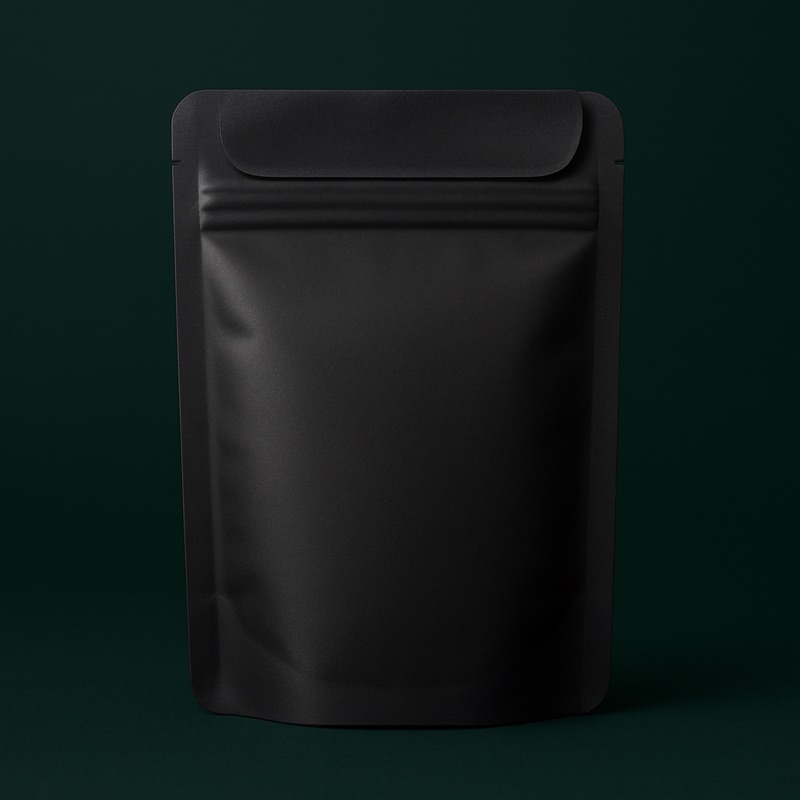
Tea is an aroma product, and aroma is the first thing bad packaging loses. The job is a barrier that holds volatile oils in and oxygen, light and moisture out — then a closure the customer will actually reclose. TWO Packaging prints tin-tie bags, side-gusset and quad-seal pouches, stand-up pouches and single-serve sachetspouches from 500 per design, labels and boxes from 100 and mailers from 500 (one-color logo; full color from 5,000) online, other formats quoted, at about $0.05–$1.20 each.
Price range$0.05 – $1.20per pouch, by size, film and finish
Minimum order500 bags on pouchesper design; labels & boxes from 100, mailers from 500 (one-color logo; full color from 5,000), all online; other formats on request
The enemyOxygen & lightboth strip aroma long before the date on the pack
ProductionAs few as 5 daysbusiness days from artwork approval (up to 15), then delivery in as soon as 4 days Expedited or 25 days Standard
Custom Tea Packaging
Formats for loose leaf and bagged.
Tin-tie is the format the category expects — fold, press, done, and it reads as craft. Side-gusset and quad-seal hold more volume per unit of film and stack squarely in a carton. Stand-up pouches sell on a shelf; single-serve sachets are how a new blend gets tried.
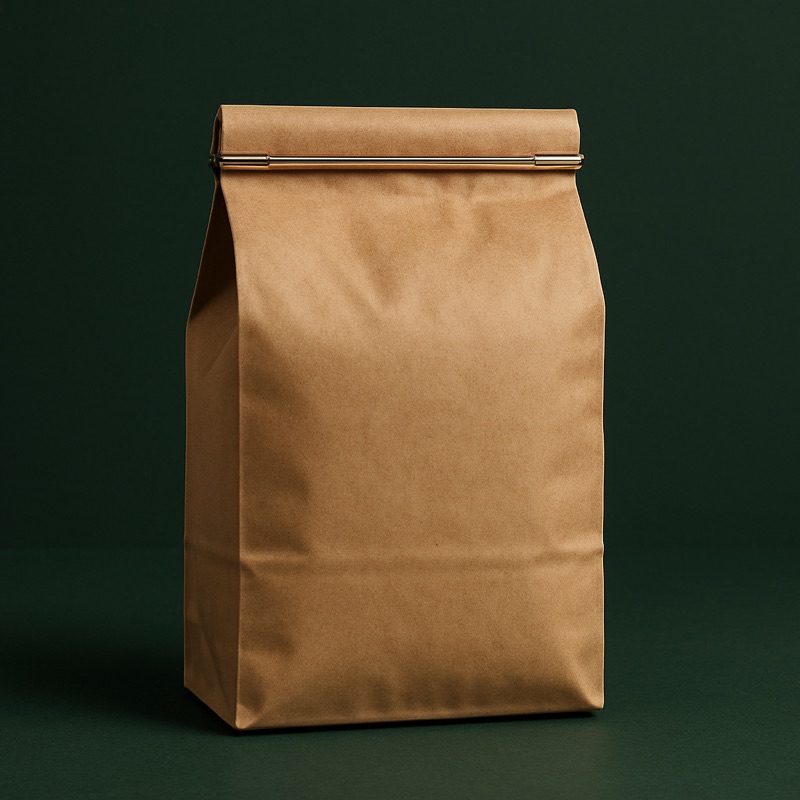
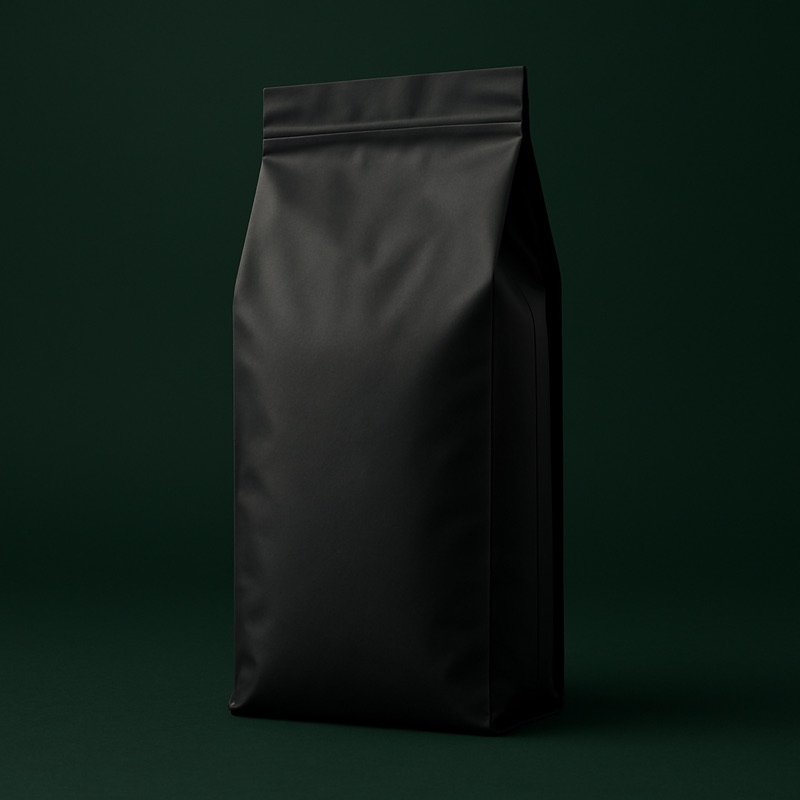
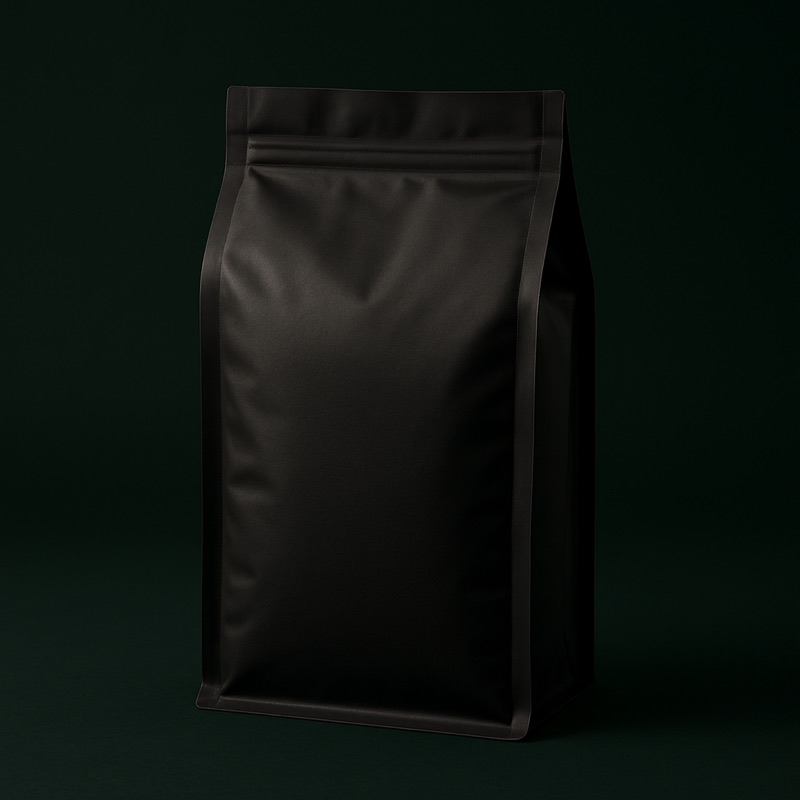
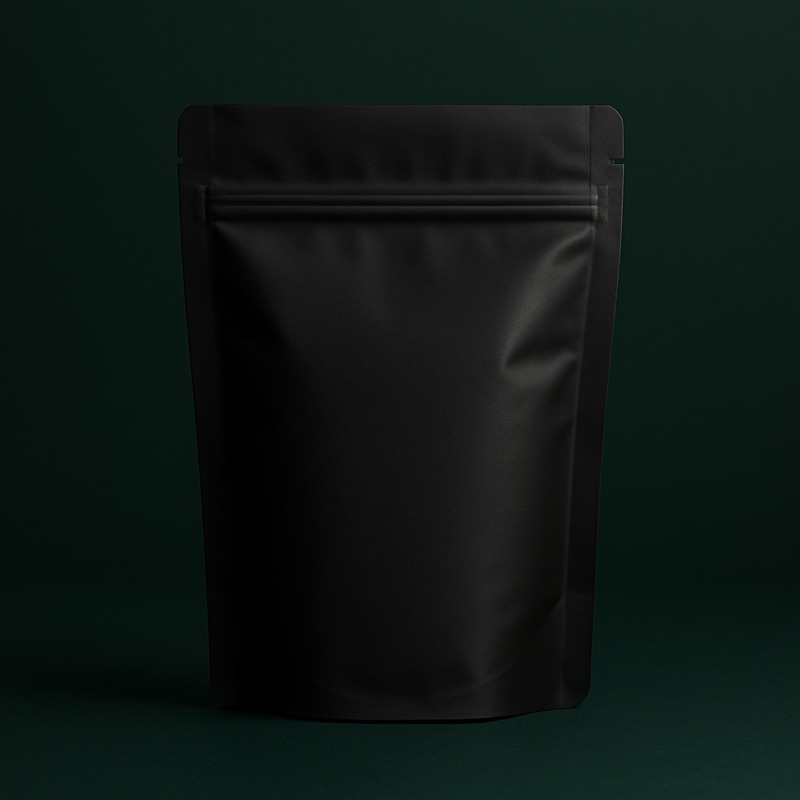
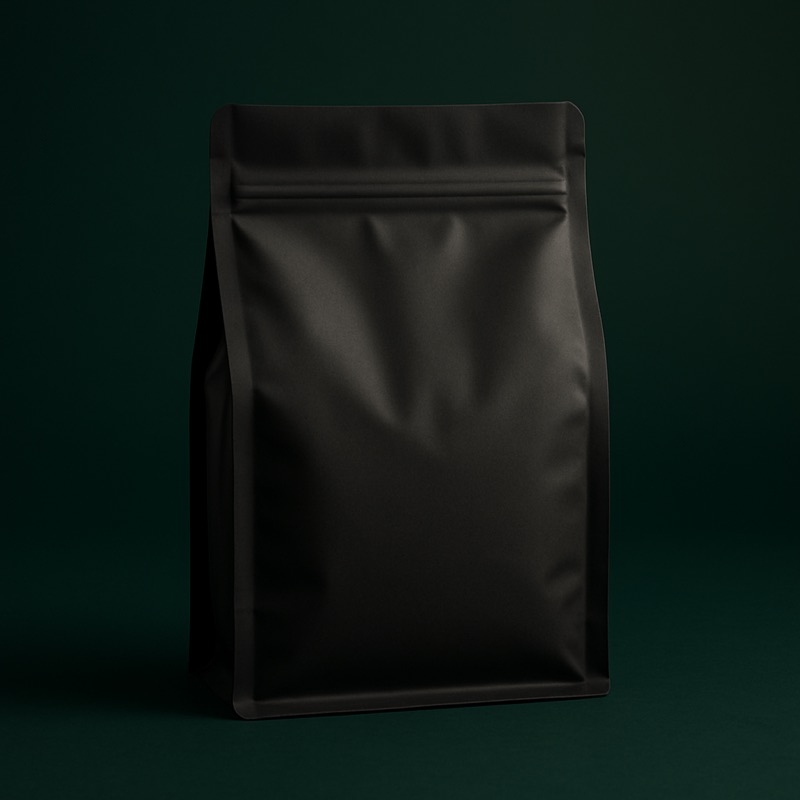
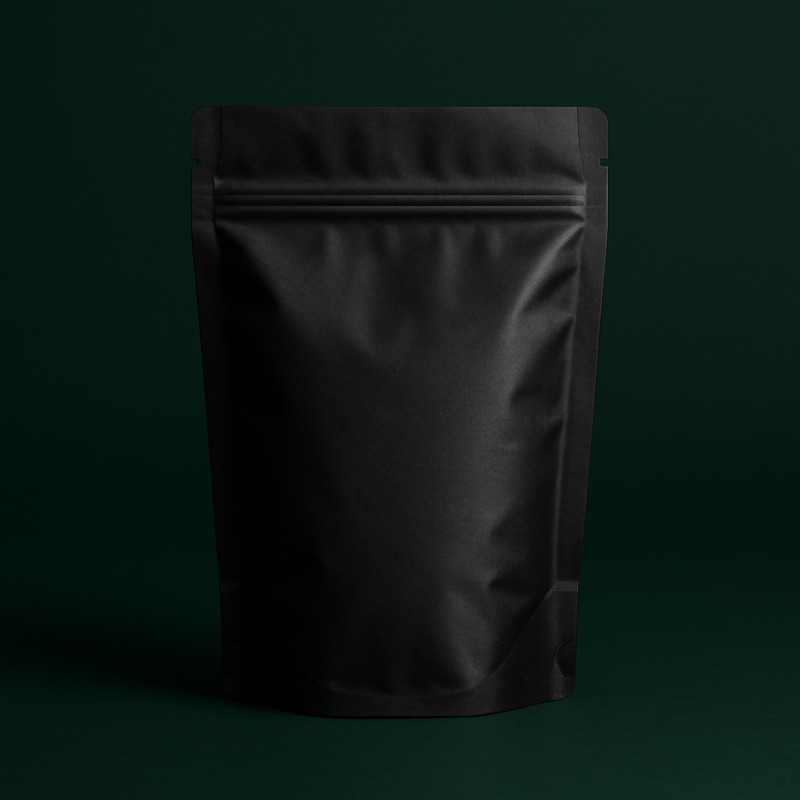
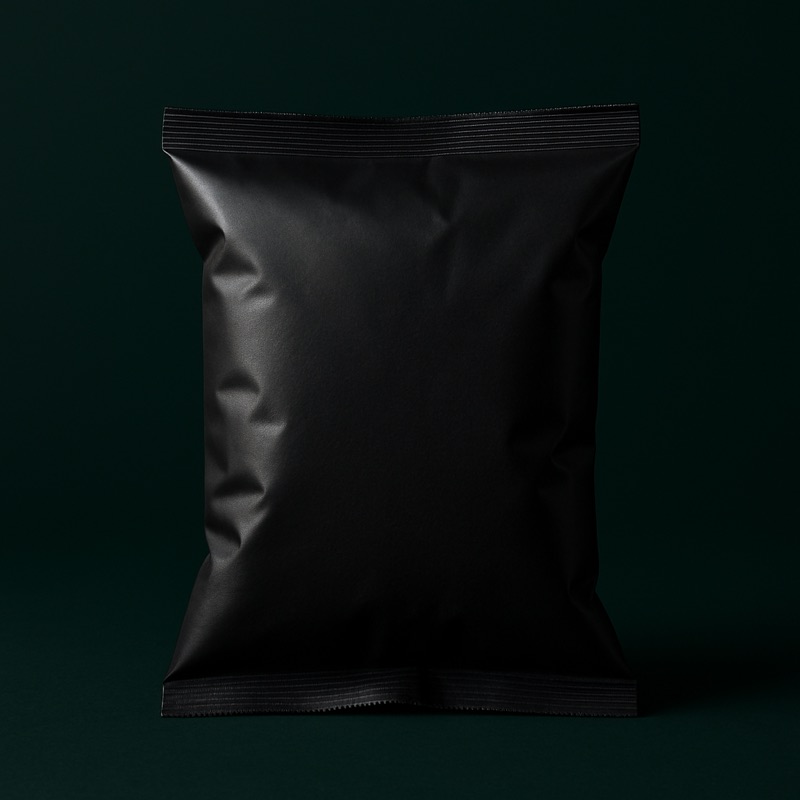
Tin Tie BagMetal wire tie at top for resealable closureSide Gusset BagExpandable gusset on sides for bulk capacityQuad Seal PouchFour-panel design for bulky products like coffee or pet foodStand-Up Pouch (SUP)Self-standing pouch for retail shelf presenceFlat Bottom Pouch (Box Pouch)Squared bottom for maximum stabilityBottom Gusset BagExpandable bottom gusset for larger fills3-Side Seal Flat PouchThree heat-sealed edges, simple and low-costFin Seal / Pillow PouchCenter back seal creates pillow-like shapeZipper / Resealable PouchZip-close for repeat access by consumerPress-to-Close Zipper PouchPress-seal zipper for easy one-hand closePeel & Reseal PouchLabel peel-back lid with restick capabilityFold-Over Seal BagTop folds down and seals with adhesive strip
Materials
Barrier, kraft, and the compostable question.
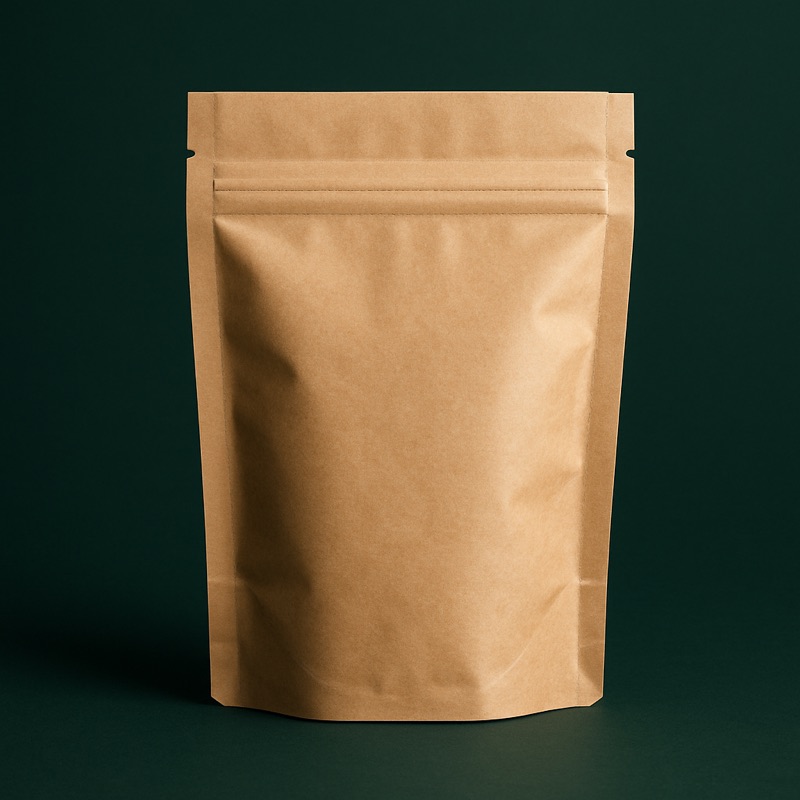
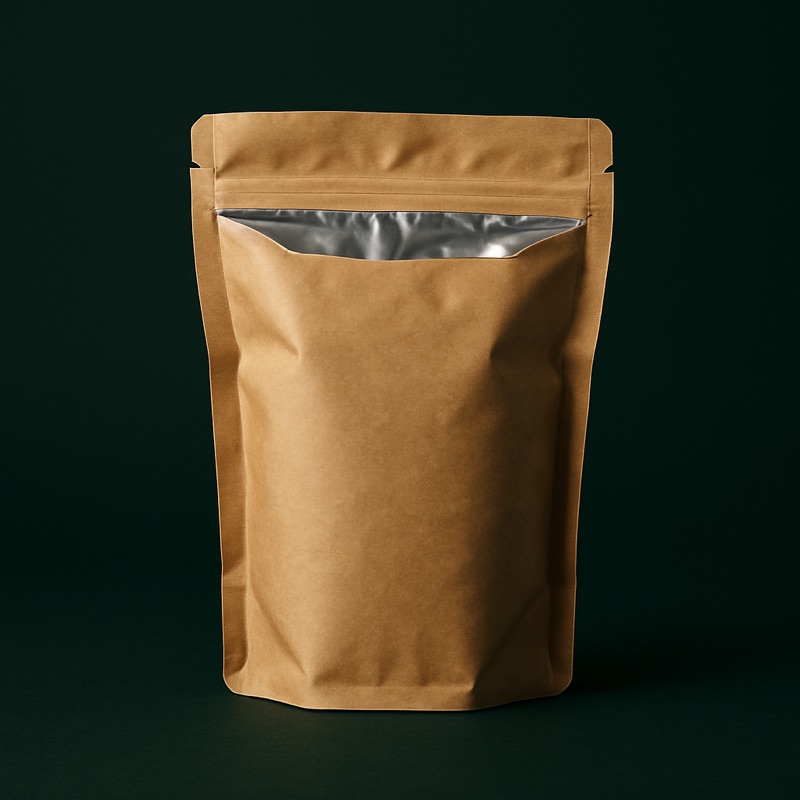
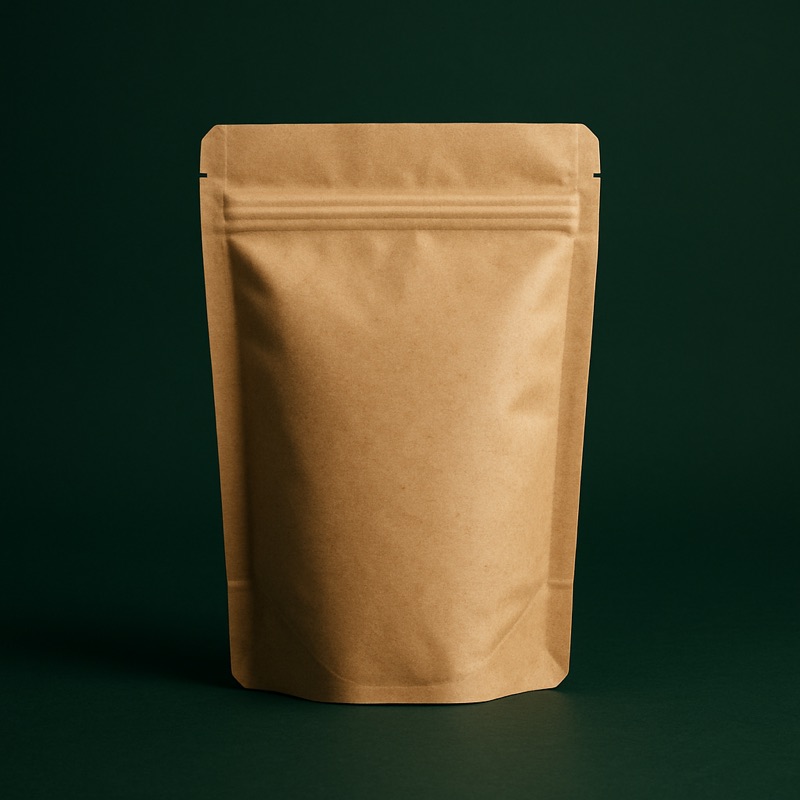
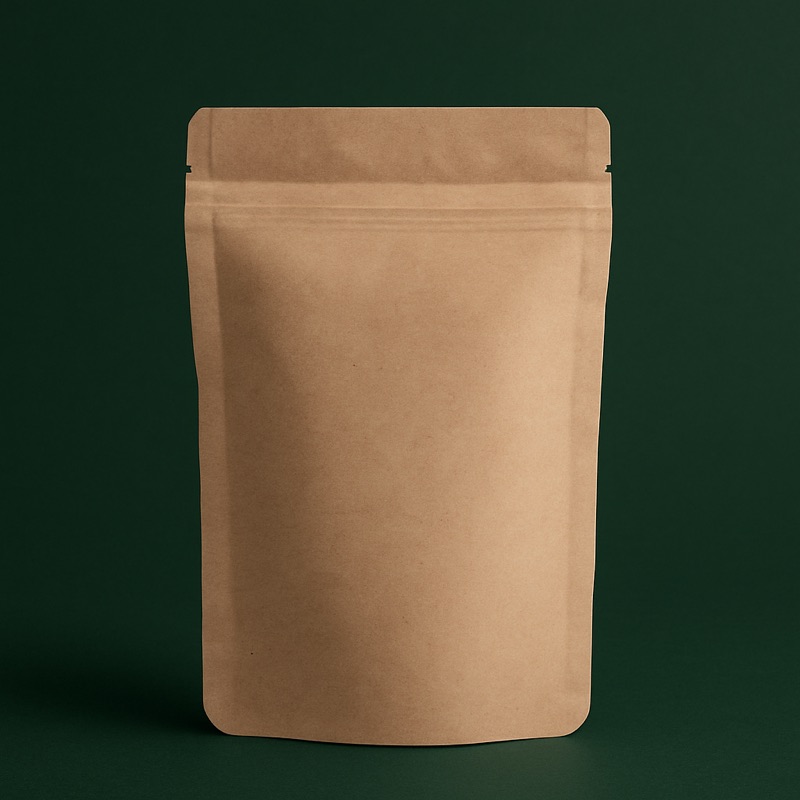
Kraft-and-foil hybrids give the craft look with a real barrier behind it — the paper is the outer ply, not the barrier. A clear window sells the leaf but every window is a weak point for light; keep it small on a delicate green or white tea. Compostable film is genuinely available and genuinely shortens shelf life. Both things are true and you should choose deliberately.
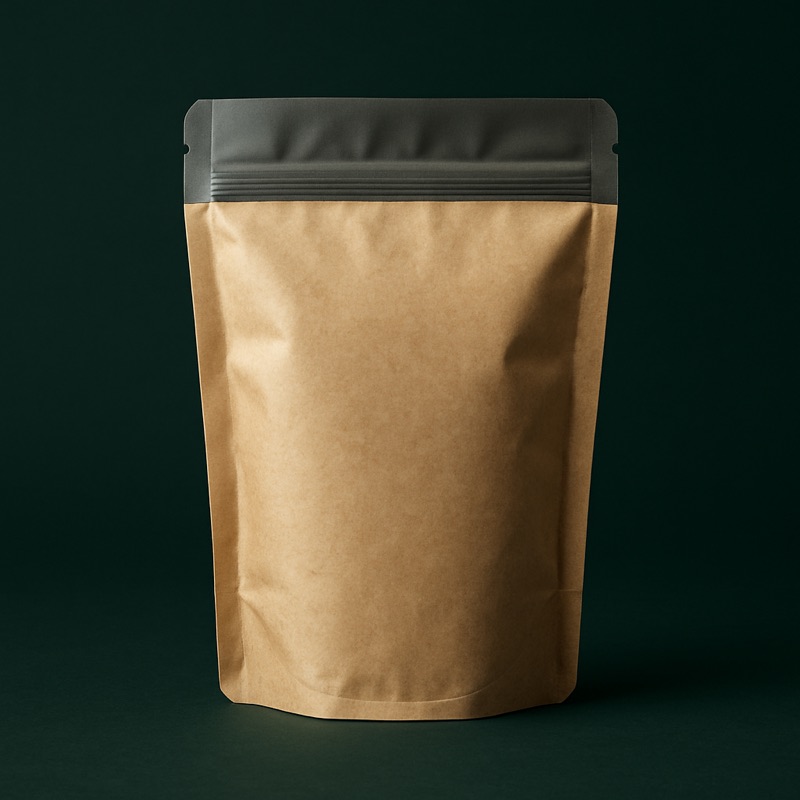
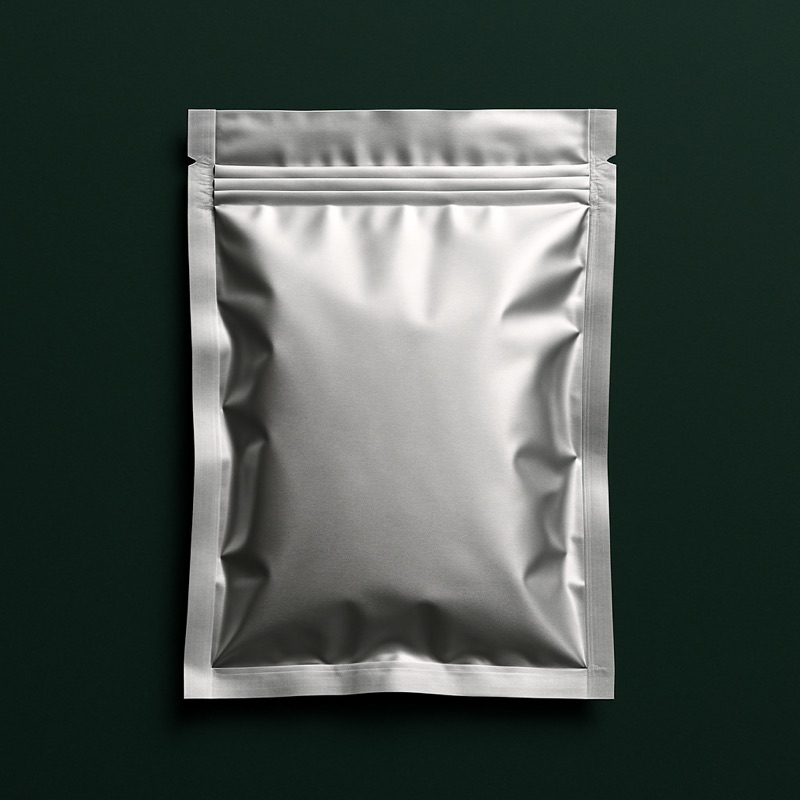
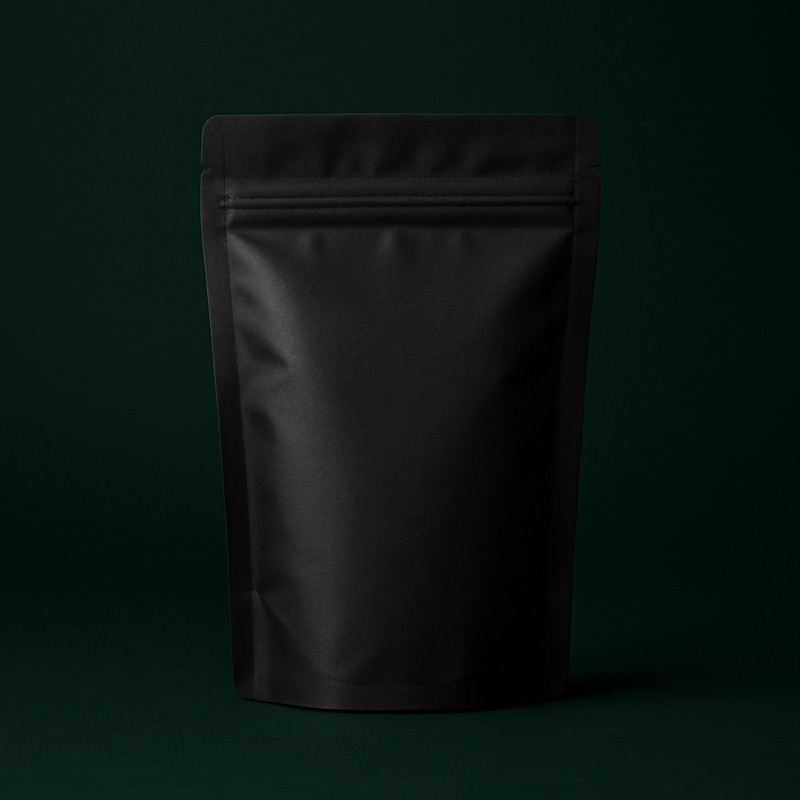
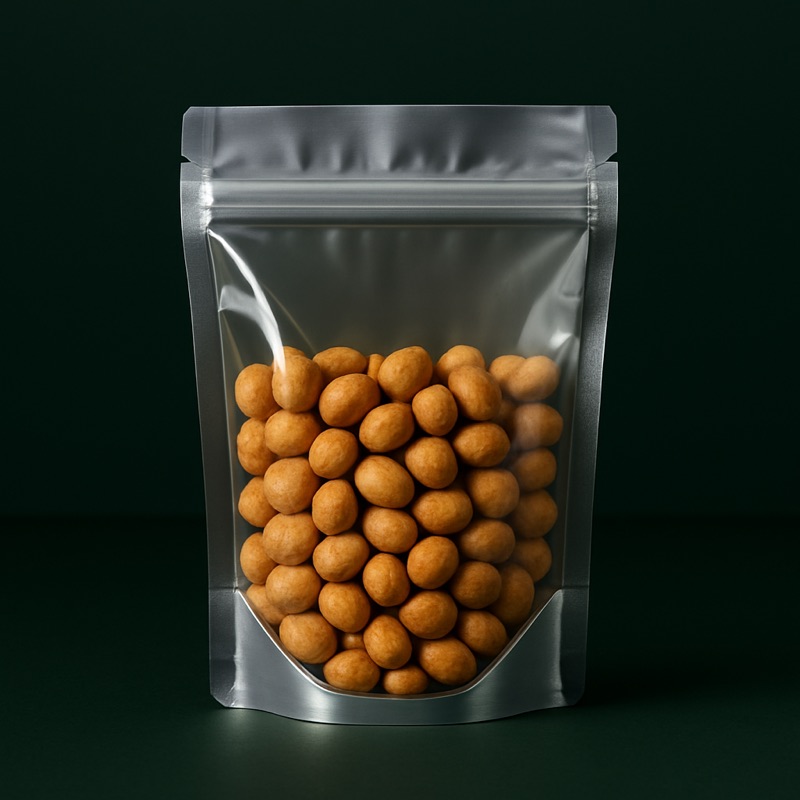
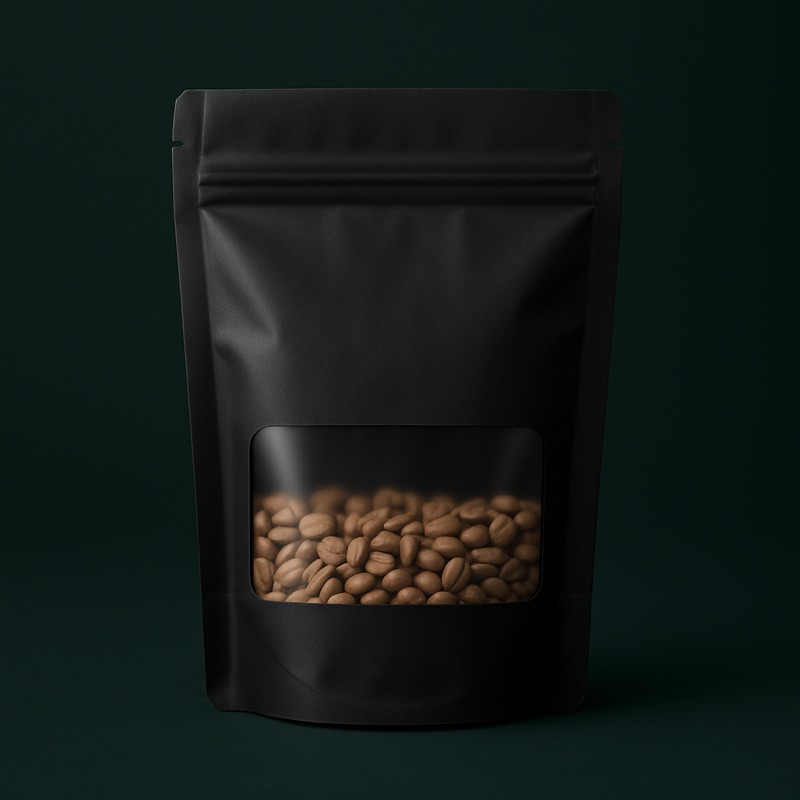
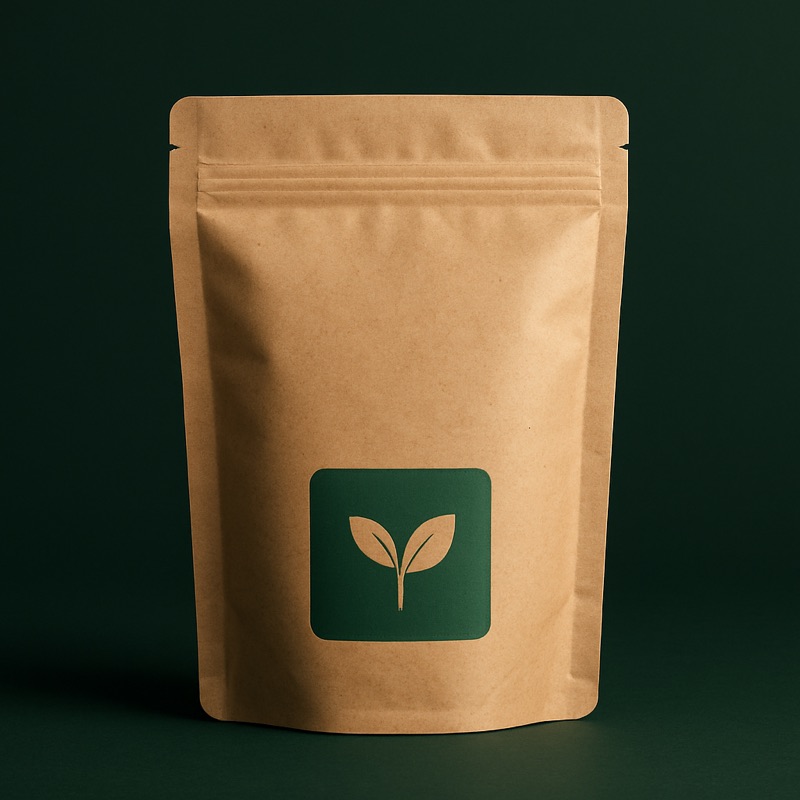
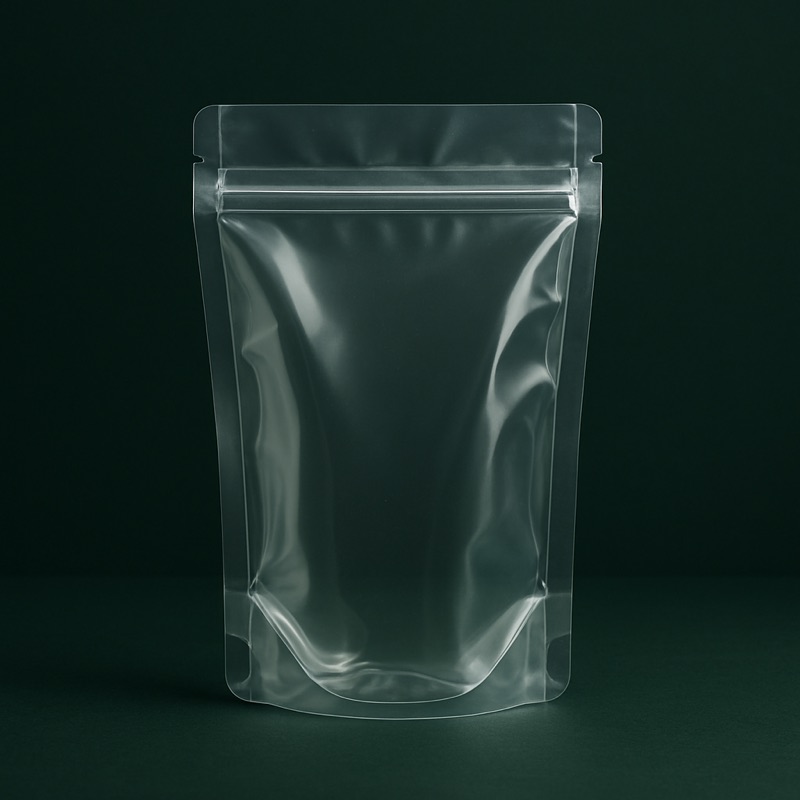
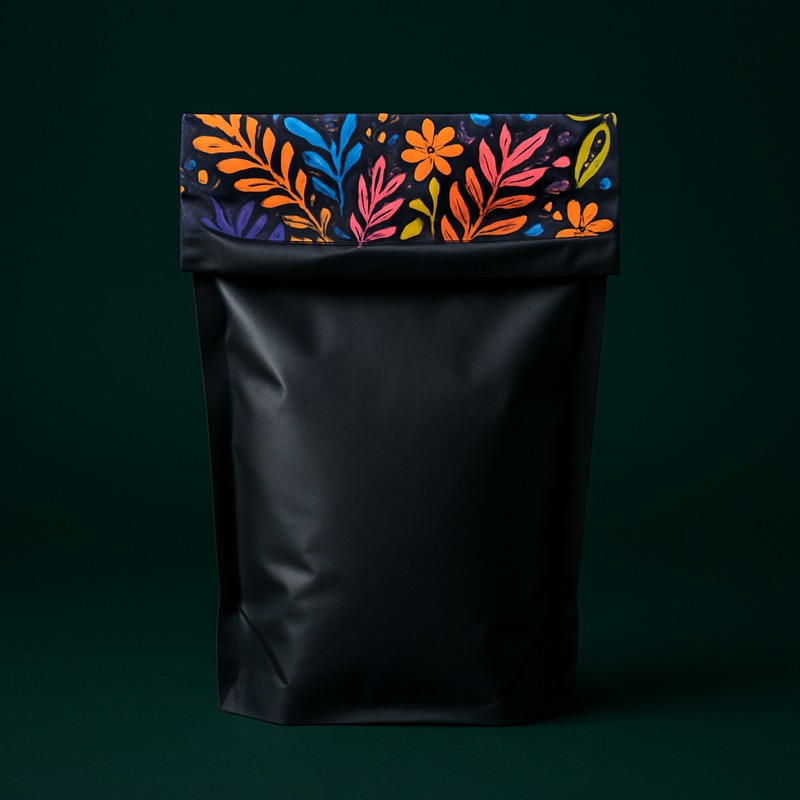
Kraft Paper / Mylar HybridNatural kraft exterior with foil interiorFoil-Lined Kraft PouchKraft outer shell with full foil linerStandard Mylar (Metalized PET)Classic silver foil barrier bagMatte Finish PouchSoft matte exterior for premium lookClear-Front / Window MylarTransparent front panel shows productVista / Window PouchLarge clear window panel on frontCompostable PouchCertified home or industrial compostableBiodegradable PouchBreaks down naturally after useRecyclable Mono-Material PouchSingle-material for recycling streamPCR Recycled Content PouchMade with post-consumer recycled materialWhite Opaque PouchBright white base for full-color printingInside-Printed PouchFull interior print for surprise unboxing
Gifting
Sets, caddies and multi-packs.
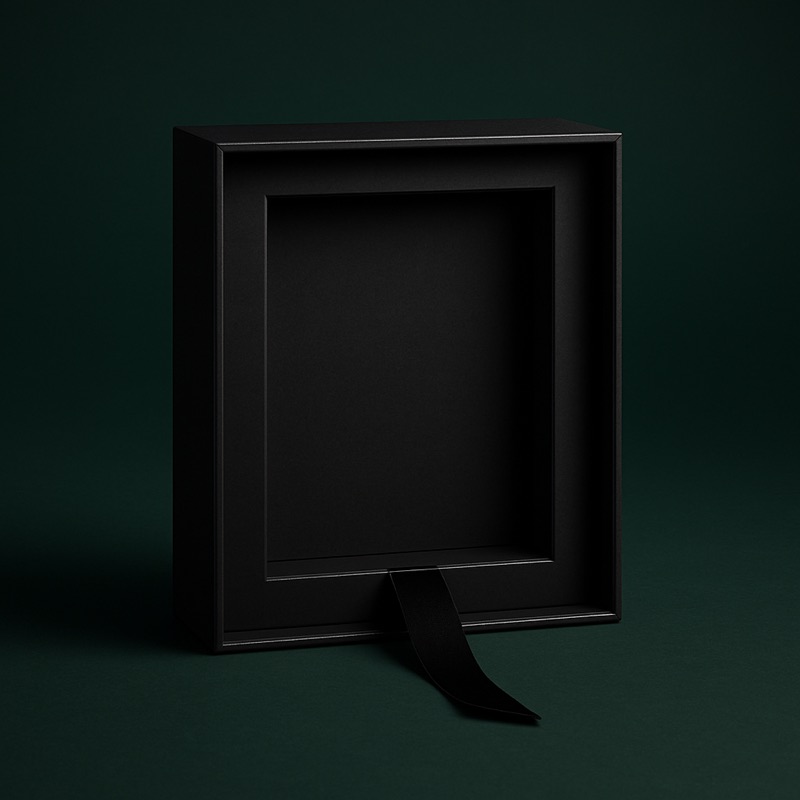
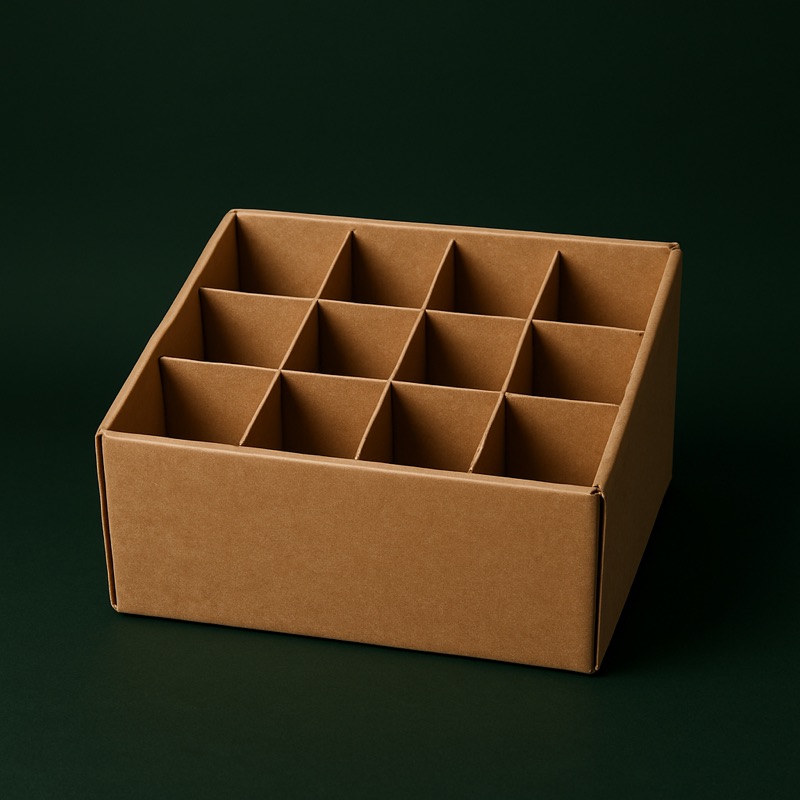
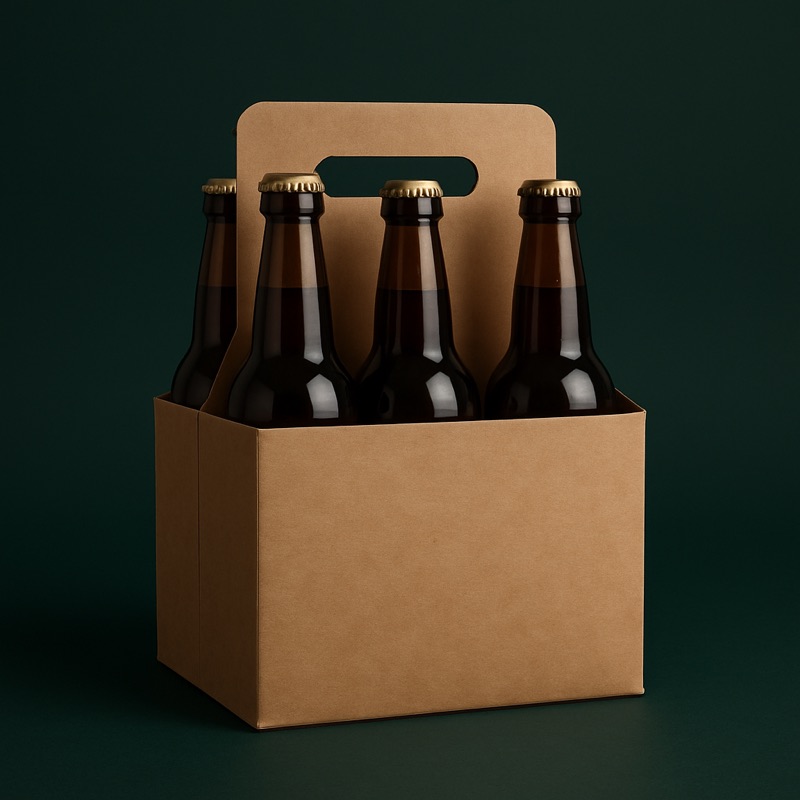
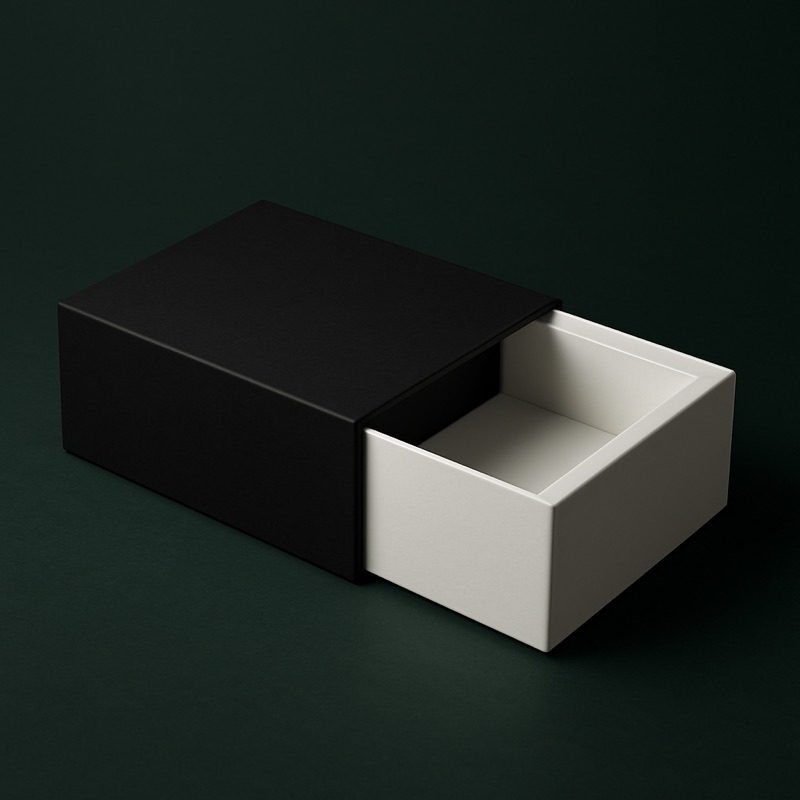
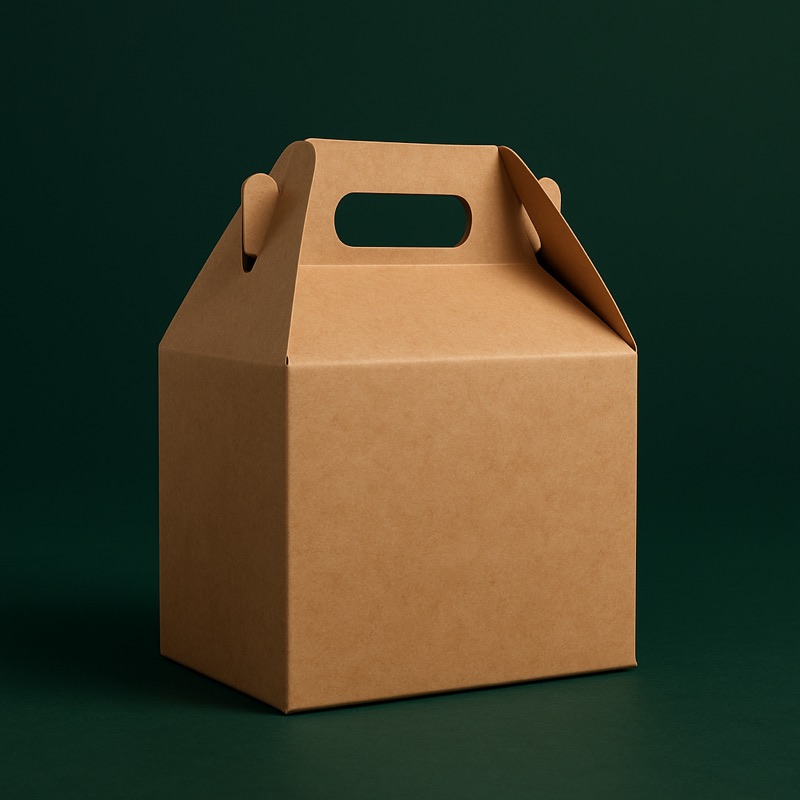
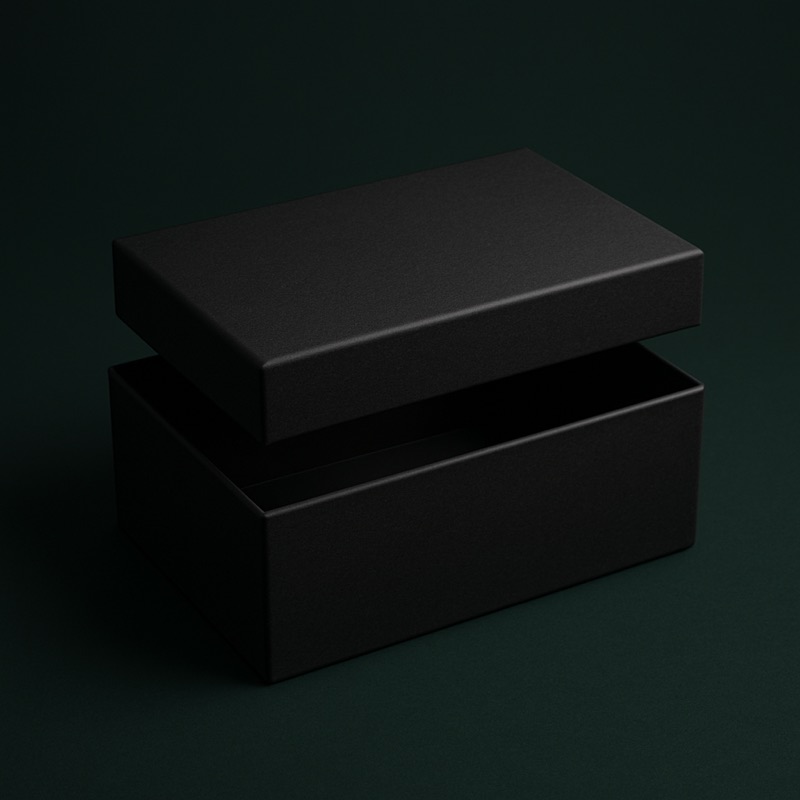
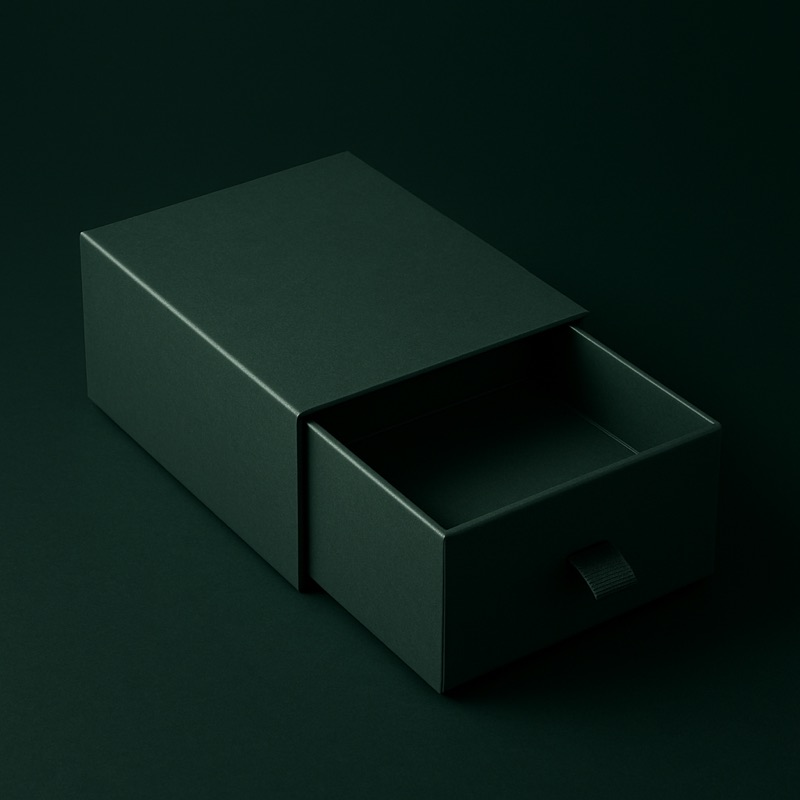
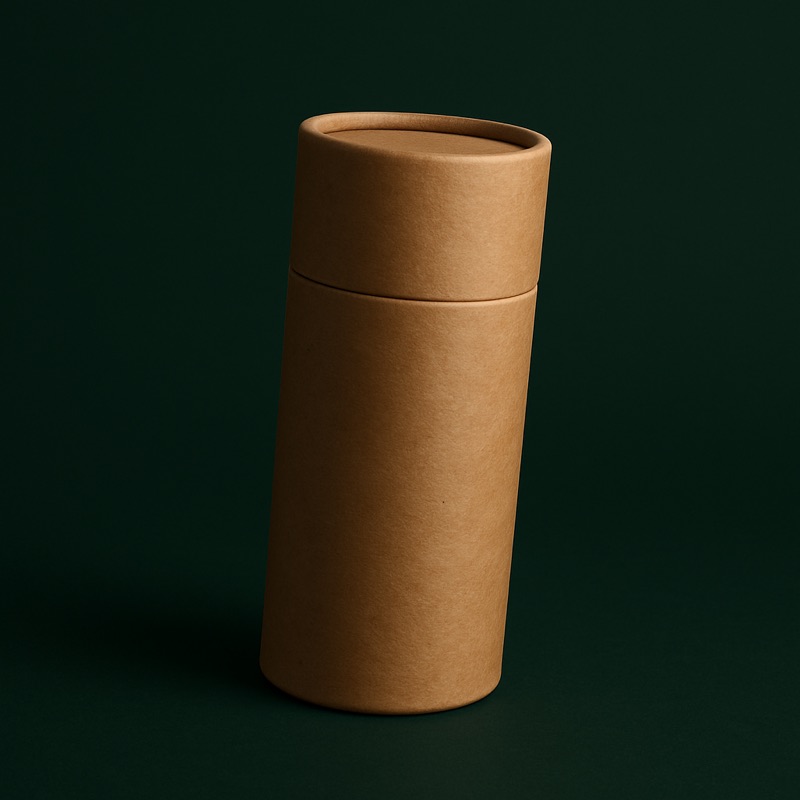
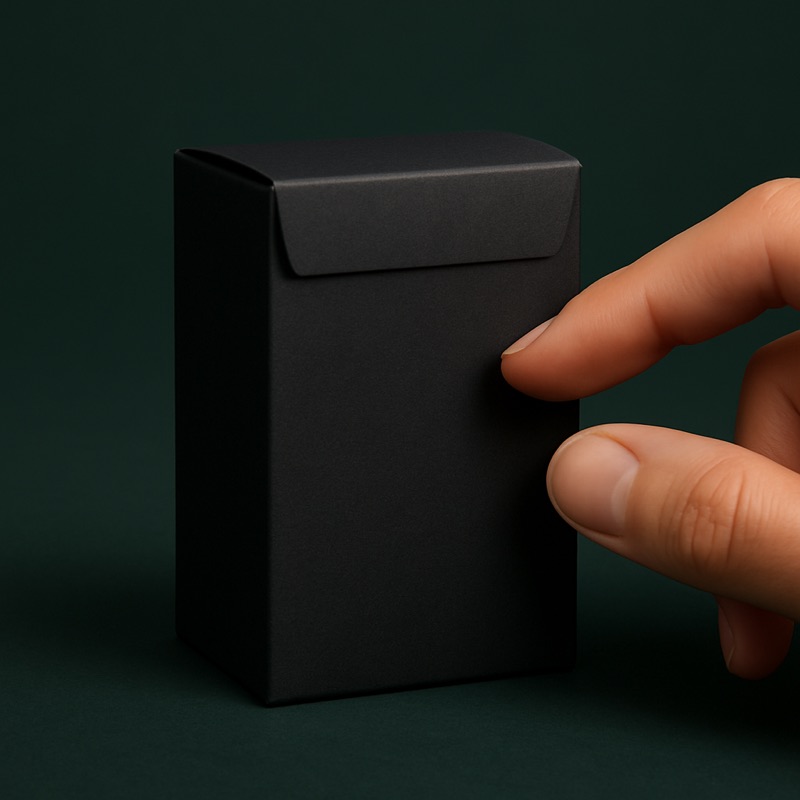
Tea sells hard at gifting, and gifting is a structural problem: several small units presented as one. Rigid trays with compartments, sleeves over plain caddies, and multi-pack carriers all do it without a custom mould.
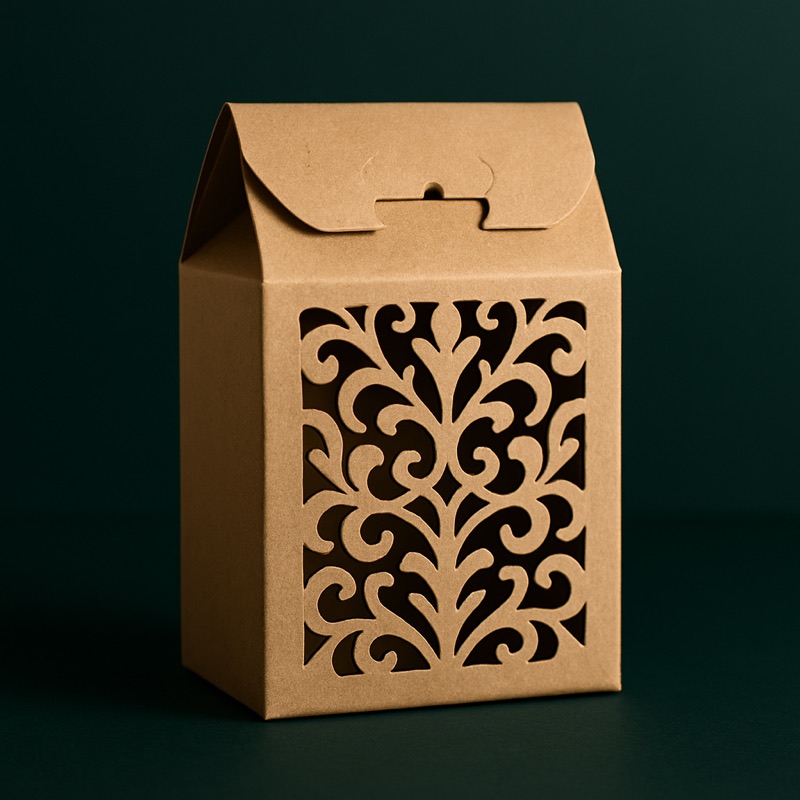
Tray with Ribbon PullTray inside sleeve with ribbon for easy removalPartition / Compartment BoxInternal dividers for multi-item packagingMulti-Pack CarrierHolds 4, 6, or 12 units with handle cutoutSleeve BoxSliding sleeve over tray for premium retail presentationGable BoxBuilt-in top handle, great for gifts and foodTwo-Piece Lid & BaseClassic lift-off lid setup box for premium productsDrawer / Sliding BoxSliding inner tray pulled from outer sleeveTube Box / Cylinder BoxRound cylinder for posters, bottles, or cosmetics
Specifying it
How to spec tea packaging.
Loose leaf is the awkward case: it is bulky and light, so the pouch is sized by volume rather than by weight. A 50 g whole-leaf white tea can need the same pouch as 200 g of a fine broken grade. Send the bulk density or, easier, send the product and we will size it against the real thing.
Decide the barrier from the shelf life you are promising, not from the look you want. Metalized film holds aroma longest. A kraft-and-foil hybrid gets you the craft aesthetic with the foil doing the actual work behind the paper. All-paper looks best and protects least.
Match the closure to how the product is used. A tin-tie suits a customer who decants into a caddy; a zipper suits one who dips into the bag daily for months. If the pack is a single-serve sachet, none of this applies and you are specifying a fin seal instead.
If you are launching a range, specify one pouch size across blends wherever possible and differentiate on print. It keeps the tooling count down and lets you add a blend without a new structural spec.
Pitfalls
What goes wrong.
Windows on delicate teas. Green, white and yellow teas degrade fastest under light. A generous window looks beautiful on day one and costs you the aroma by month three. Photograph the leaf instead.
Treating the tin-tie as a seal. A tin-tie closes a bag neatly. It does not make it airtight. For any meaningful shelf life it needs a barrier film behind it and ideally a proper seal under the fold.
Compostable film without a shelf-life conversation. Compostable and biodegradable films are real and available, and they carry a lower barrier than metalized film. That is a legitimate trade-off to make deliberately — it is a bad one to discover after a season of returns.
Aroma transfer between blends. Strongly scented blends stored next to delicate ones will cross-contaminate through insufficient barrier. If you warehouse a chai next to a silver needle, the barrier spec on both just became more important.
Cost drivers
What moves the price.
Film structure is the main driver. A single-layer kraft bag is the cheap end; a metalized laminate with a kraft outer ply is a multi-layer construction and costs more, and it is what actually protects aroma. Paying for the look without the barrier is the most common false economy in this category.
Closures add real cost. A tin-tie is an applied component; a press-to-close zipper is another; a slider zipper is more again. On a low-priced blend the closure can be a visible share of the packaging cost.
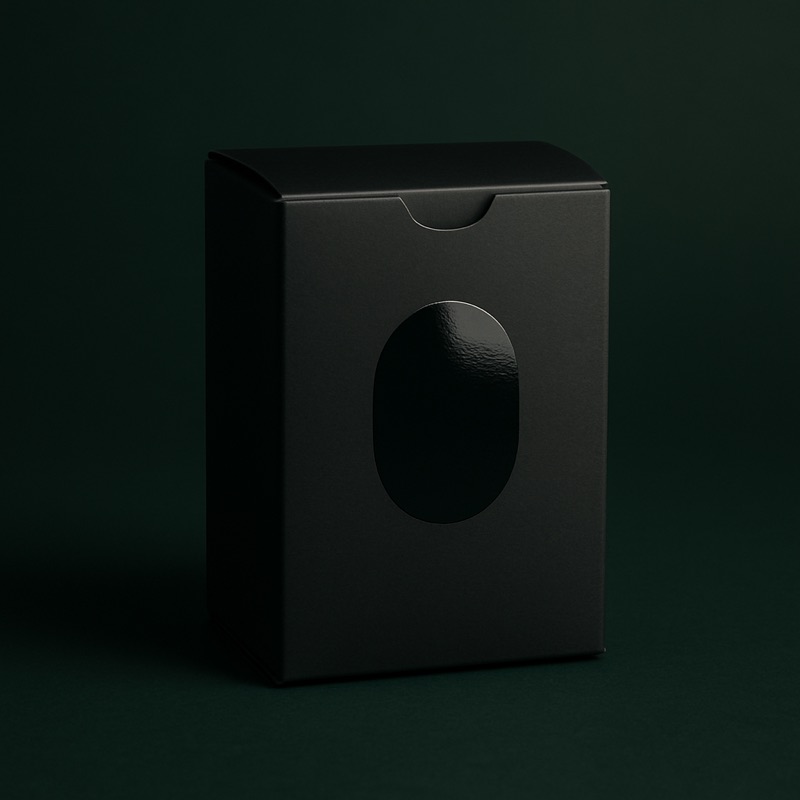
Windows, matte finishes and inside-printing each add a pass. A matte soft-touch pouch with a die-cut window and foil detailing is a genuinely premium object and prices like one — which is fine at a premium price point and painful at a supermarket one.
Volume moves all of it. The jump from 1,000 to 5,000 units is the single largest percentage drop you will see, because the fixed setup is spread across five times the run. Quotes here are all-in — tooling, printing, finishing and packing in one number — and reorders carry no setup fee, so the second run of the same artwork is always cheaper than the first.
Printing & finish
Every printing & finish option.
Every decoration below runs on pouches, caddies and gift cartons. Pantone spot matching is standard, not an upcharge tier, and artwork files stay on record for 24 months so a reorder is a single email.
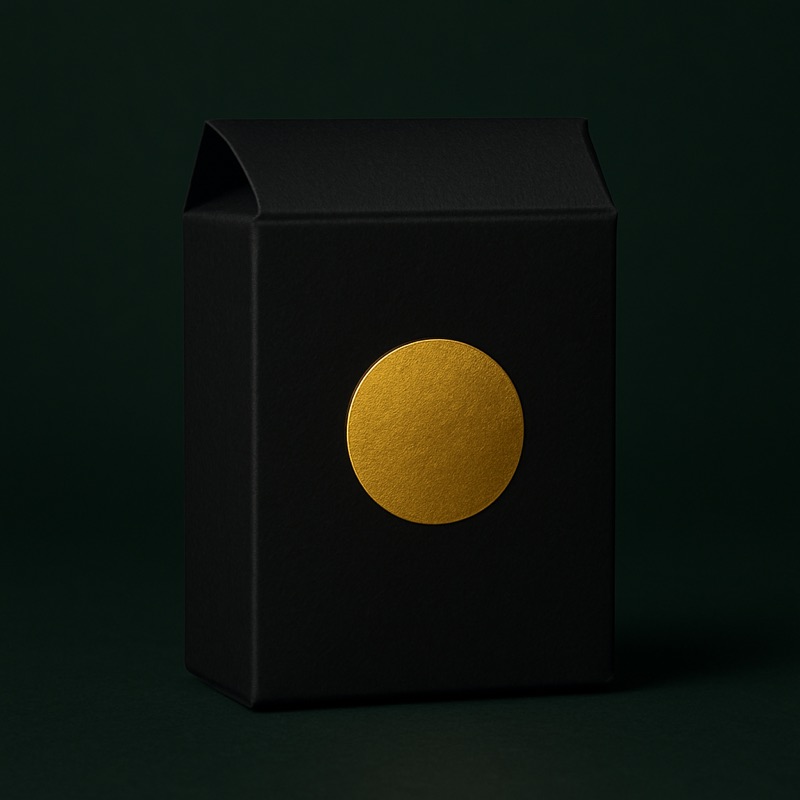
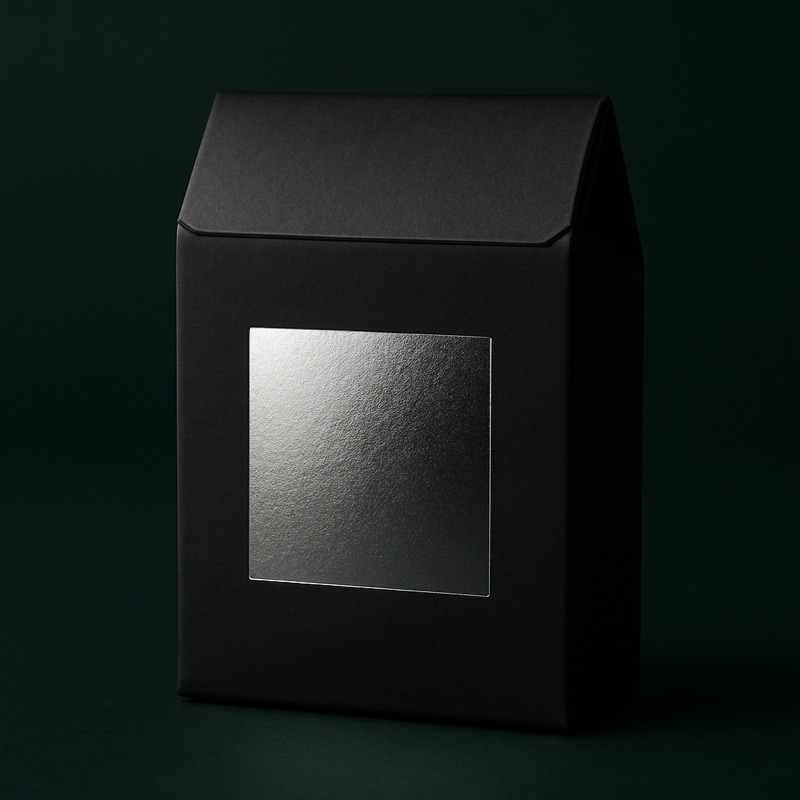
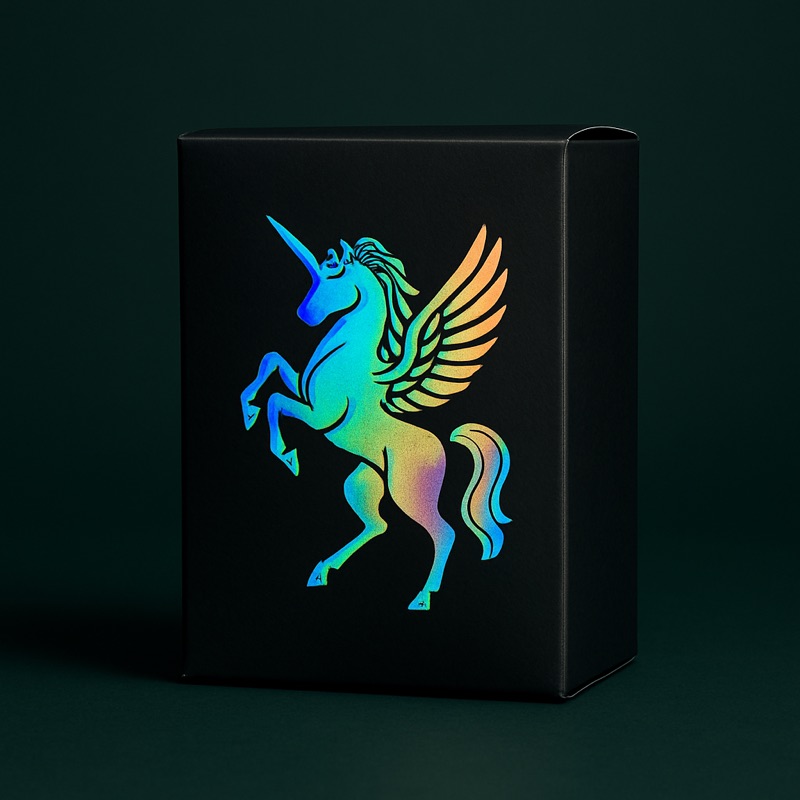
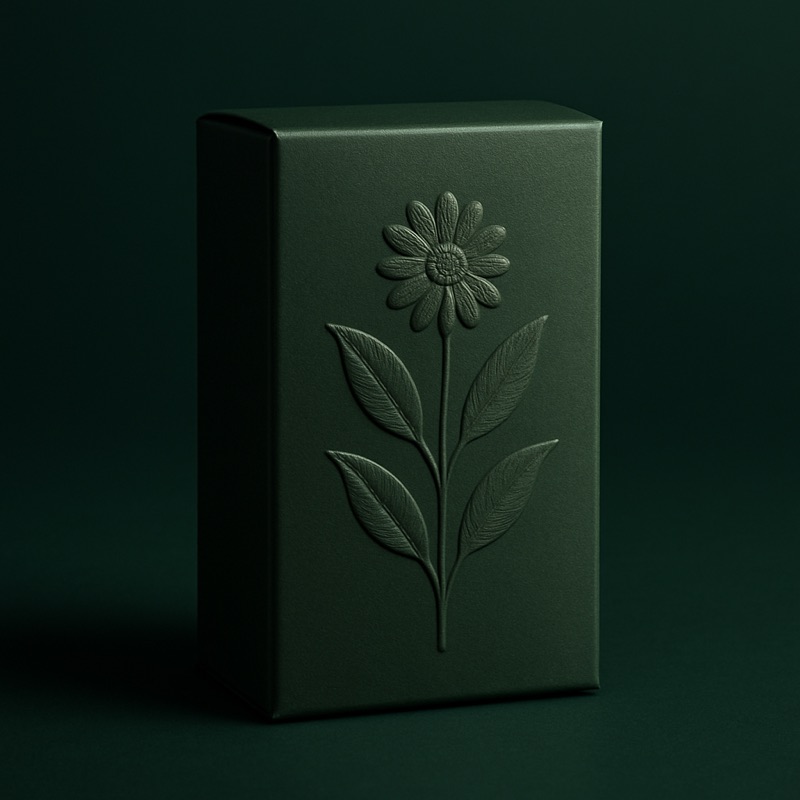
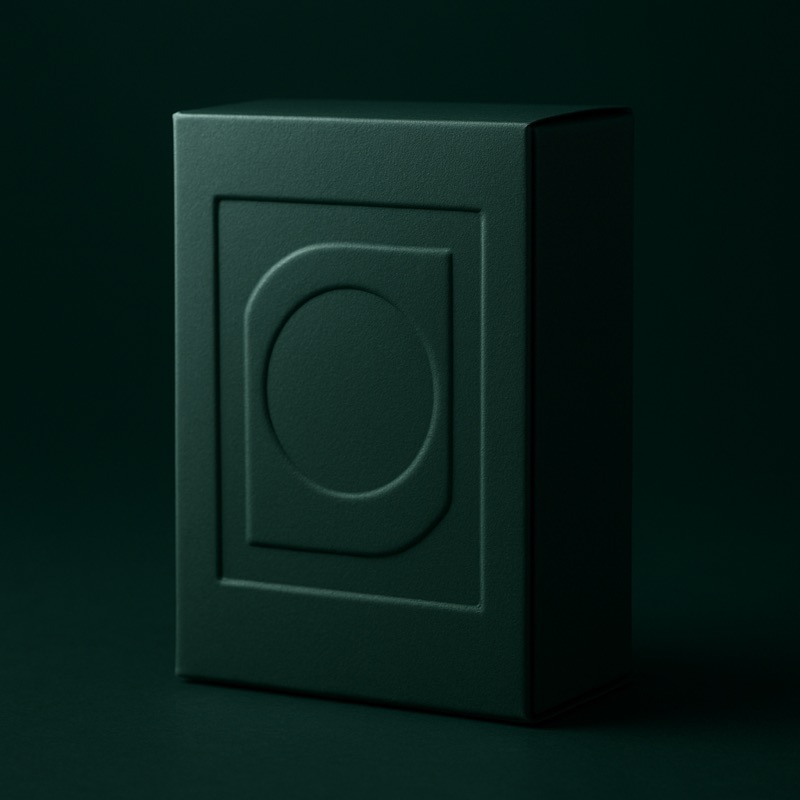
Soft Touch / Velvet LaminationVelvety tactile matte laminate that feels luxuriousMatte LaminationSmooth non-reflective matte film for sophisticated lookGloss LaminationHigh-shine protective gloss film over printSpot UV CoatingGlossy UV resin applied to selected design elementsGold Foil StampingMetallic gold foil pressed into substrate for luxury accentSilver Foil StampingMetallic silver foil stamping for premium highlightsHolographic Foil StampingRainbow-spectrum holographic foil for bold visual impactEmbossingRaised relief design pressed into packaging surfaceDebossingRecessed impression pressed into the packaging substratePantone Spot Color MatchingExact Pantone ink match for precise brand color consistencyDie CuttingCustom shape cut from flat packaging materialTextured Paper / BoardLinen, canvas, or felt-textured substrate for tactile branding
Process
From sample to shelf.
Send the fill weight and whether it is loose leaf, bagged or single-serve. Loose leaf is bulky and light, which makes the pouch bigger than the weight suggests.
1 · SpecTell us the fillvolume, weight or dimensions — we spec the format
3 · ArtworkDieline & proofin-house design at $75–$150/hr if you need it
4 · ProductionAs few as 5 business daysfrom artwork approval (up to 15), then delivered to all 50 states in as soon as 4 days with Expedited (up to 12) or 25 days with Standard (up to 35)
FAQ
Questions, answered.
How much does custom tea packaging cost?
About $0.05 to $1.20 per pouch depending on size, film and finish. Quotes are all-in, with no setup fees on reorders.
What is the minimum order for tea packaging?
Custom pouches start at 500 bags per design, labels and boxes at 100 and mailers at 500 with a one-color logo (5,000 in full color), all priced instantly and ordered online; other formats are priced on request. Multiple SKUs can share a production run, which is how most tea brands launch a range of blends at once.
Is a tin-tie bag airtight?
A tin-tie closes the bag neatly but it is not a hermetic seal. For a long-shelf-life blend, pair the tin-tie look with a resealable zipper or an inner barrier layer.
Can tea packaging be compostable?
Yes — compostable and biodegradable films are available. They carry a lower barrier than metalized film, so shelf life is shorter. We'd rather flag that than let you find out at month six.
Should my tea pouch have a window?
It helps sell loose leaf, but every window lets light in. Keep windows small on delicate green and white teas, or skip them and photograph the leaf on the front panel instead.
Do you make single-serve sachets?
Yes — 3-side-seal and fin-seal sachets for single servings and sampling programmes.
How do I size a pouch for loose leaf?
By volume, not weight. Whole-leaf grades are bulky and light — 50 g of whole-leaf white can need the same pouch as 200 g of a fine broken grade. Send us the bulk density or the actual product.
Can one pouch size work across a whole range?
Usually yes, and it's worth engineering for. One structural SKU plus print variants keeps tooling down and lets you add a blend without a new spec.
Will strong blends taint delicate ones in storage?
They can, through insufficient barrier. If you warehouse a chai next to a silver needle, the barrier spec on both matters more than it would in isolation.
Do you supply gift and sampler formats?
Yes — compartment trays, sleeves over plain caddies, and multi-pack carriers, without custom moulding.