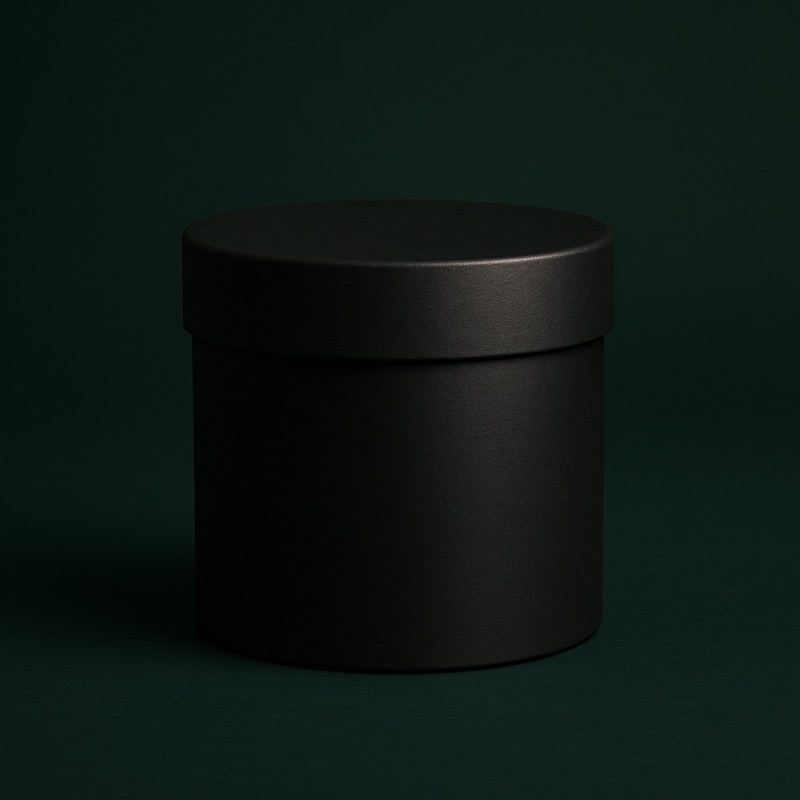
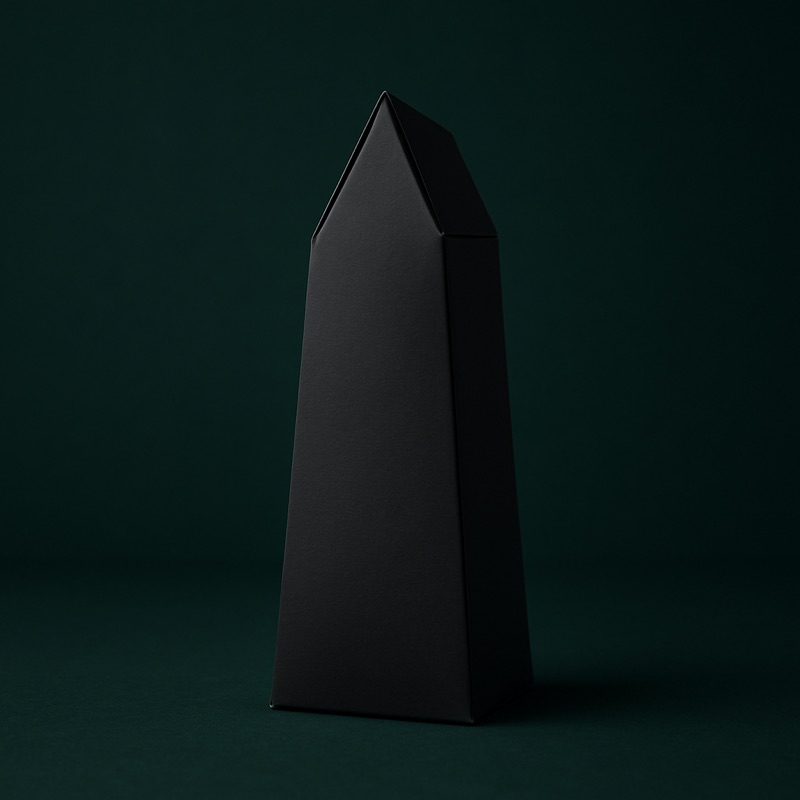
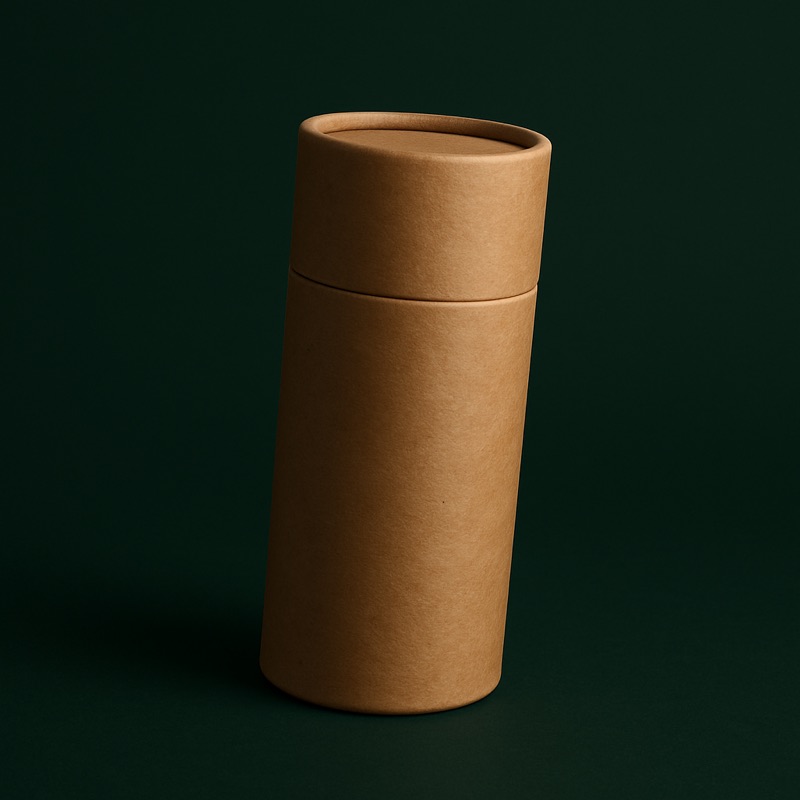
A cylinder does two things a rectangle cannot: it reads as a gift without a ribbon, and it has no corners to crush. TWO Packaging runs rigid cylinder boxes, triangular tube cartons, squeeze tubes and glass tubes, printed and finished, priced on request at about $0.15–$6.50 each.
A paperboard cylinder with a lid is the gifting workhorse. A triangular tube carton folds flat and ships flat, which a true cylinder does not. A squeeze tube is a dispensing container rather than a box, and glass tubes are for slim single items.


A true cylinder cannot fold flat, so you pay to ship air from the factory and you store air in your warehouse. A triangular tube carton gives most of the shelf impact and arrives flat. If freight and storage matter more than the last five percent of unboxing feel, take the triangle.


Give us the product's diameter and height, plus whatever protection sits around it. A cylinder is unforgiving on internal diameter: a few millimetres too tight and the product will not go in, a few too loose and it rattles audibly, which reads as cheap on a gift format.
Decide how the tube opens. A slip lid is the simplest and reads most premium; a screw or twist closure holds better in transit; a push-fit base means the tube is assembled once and never reopened from the bottom. Each changes the tooling, so choose before artwork.
Artwork on a cylinder is built to the developed circumference, which is the diameter multiplied by pi plus an overlap allowance. Designers routinely supply a rectangle sized to the diameter instead, and the design comes back visibly short. We supply the developed flat with the overlap marked.
Consider where the label seam falls. On a wrap, the overlap should land at the back, aligned with any natural break in the design rather than through a logo.
Paying to ship air. Rigid cylinders arrive formed and nest poorly. On a large order the inbound freight and the warehouse cube can exceed the difference in unit price against a flat-packing triangular tube. Run that maths before committing to a round profile.
Lids that loosen. Paperboard is hygroscopic — it takes up moisture and moves. A slip lid specified with a tight fit in a dry factory can be loose in a humid warehouse. Allow for it, or use a closure that locks.
Assuming a cylinder is crush-proof. Having no corners helps with drops, not with stack load. Cylinders stacked in a case still need the wall thickness to carry the weight above them.
Labels that curl at the edges. On a tight radius, a label with insufficient adhesive or an over-stiff facestock will lift at the trailing edge. On small-diameter tubes, a shrink sleeve is often the more reliable answer.
Construction is the fork in the road. A rigid, formed cylinder with a wrapped exterior is a hand-assembly product and prices like one. A triangular tube carton runs on standard folding-carton tooling and costs substantially less for a similar shelf footprint.
Then there is the freight nobody budgets for. Rigid cylinders arrive formed and nest badly, so you pay to ship air inbound and you store air until you fill them. On large volumes that can exceed the unit-price difference against a flat-packing alternative.
Closure type is the third lever: a slip lid is the cheapest, a twist or screw closure needs more tooling, and a magnetic or ribbon-pull detail is a finishing operation on top of that.
Volume moves all of it. The jump from 1,000 to 5,000 units is the single largest percentage drop you will see, because the fixed setup is spread across five times the run. Quotes here are all-in — tooling, printing, finishing and packing in one number — and reorders carry no setup fee, so the second run of the same artwork is always cheaper than the first.
Every decoration below runs on cylinder wraps, tube cartons and their labels. Pantone spot matching is standard, not an upcharge tier, and artwork files stay on record for 24 months so a reorder is a single email.


Send the product diameter and height. On a cylinder the label or wrap is a developed flat — the artwork has to be built to the circumference, not to a rectangle.
About $0.15 to $6.50 per unit depending on size, material and finish. Quotes are all-in, with no setup fees on reorders.
Quantities are priced on request, and multiple SKUs can share a production run.
No — a true rigid cylinder arrives formed. A triangular tube carton folds flat and is the better choice if inbound freight and storage are tight.
Yes. Artwork is built to the developed circumference so the design wraps continuously with no visible break at the seam.
A squeeze tube is a dispensing container for creams and gels. A tube box is rigid outer packaging. They solve different problems and often ship together.
They help — there are no corners to take a drop impact. Pair with a fitted insert for anything genuinely fragile.
To the developed circumference — diameter multiplied by pi, plus an overlap allowance. Artwork supplied as a rectangle sized to the diameter comes back visibly short. We provide the developed flat with the overlap marked.
Paperboard takes up moisture and moves, so a lid specified tight in a dry factory can loosen in a humid warehouse. Allow for it, or specify a twist or screw closure.
Tight. A few millimetres under and the product won't go in; a few over and it rattles, which reads as cheap on a gift format. We confirm it on the pre-production sample.
Yes, with a partition or a fitted insert. Without one, several items in a cylinder will shift and collide.
All-in pricing, free stock samples, in-house design, and no setup fees on reorders. Built by operators, for brands.